Decided to go ahead and do round 2 last night. I was going to wait until the Reef Dip came in but I decided that if I wanted to keep on track with the treatment protocol, I would not be able to wait. The Reef Dip won't be here until Monday at the earliest. These treatments take me about 8.5 hours to do so I don't have time to do them during the week. This means if I waited for the Reef Dip, I wouldn't be able to do round 2 until next weekend, which is 2 weeks after round 1. So I decided to give the levamisole another shot.
Note to self: don't start treatment at 10pm ever again.:lol: I got some weird hair up my bum and ended up pulling an all-nighter and got to bed at 7am.
I went down to check the tank at 4 hours into the treatment and couldn't believe what I saw. A bunch of large live AEFW's stuck on the bottom of the tank again.

I was expecting to not see a single FW this time around. These were large and obviously survived through round 1. There were still more blowing off the corals when I blasted them too. This time I made sure to really blast them good getting every nook and crannie the best I could. After blasting each coral I examined every inch of it for any more AEFW's that I could see or any egg clutches. I found several egg clutches. Before, I thought they would only lay eggs on dead/receded areas of the coral. I proved myself wrong. They had layed eggs at the bases of several corals that had no recession. The eggs would be on the live rock base or epoxy base right next to the healthy tissue of the coral. I guess they want to plant their young in convenient areas so all they do is hatch and go right to town on the coral. I found probably the same number of adult live FW's as I did in round 1. On average, they were smaller this time and could easily have gone by unseen had I not stared at certain areas for a while. In some cases, I looked a spot over real good and didn't see anything only to look at the same spot again 1 minute later only to find a couple FW's there. Even when you know what you are looking for, these things can be hard to see.
The corals look much less stressed this time around. Hopefully, that means I will suffer less RTN in the next couple days (as I knock on wood).
I did save as many live ones as I could find by sucking them into a gallon pail with a 1/4" RO line. And this time I put fresh tank water in the pail so they wouldn't die on me right away.
This levamisole treatment just doesn't seem to be working out for me. I was surprised to see so many FW's alive at the end of round 1 and blown away to see almost the same # alive again after round 2. Unfortuanately, I will need to start over from scratch with my 4 treatments because I have not yet broken the FW life cycle, since I found a bunch of adults that had survived the first round. I plan to treat for 3 more weeks after the first treatment I do where I treat and see no live adults. That means I still have 4 or more treatments/weeks to go. I need to stay the course and not bail out prematurely or I will have waisted my time.
I did test 1 FW in a cup of water with 1 cap of Reef Dip. The FW was pretty much mush by the end of the 15 minutes. But I'm not sure if I feel safe putting a coral in that solution for that amount of time yet. The solution was pretty much black and you couldn't see anything in it. I've had acros bleach from much weaker Reef Dip solutions at only 10 minutes. The test FW may have already been weak as it had just gone through 5 hours of 40 ppm levamisole so that could have contributed to the Reef Dip working so well also. I plan to let a couple of them "recover" a bit and then try the Reef Dip again. I may take a "less desirable" frag and put a live adult FW on it and try the dip and see what happens with the FW and the coral.



 I did save the large ones that were still living and will be performing some tests on them to try to find out what will kill them. If I get really ambitious I may set up a tank for them and try to learn more about their life cycle.

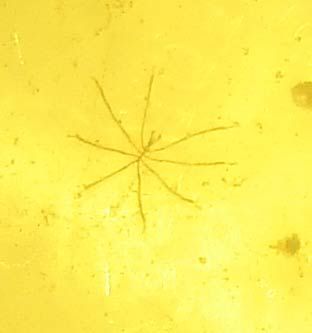
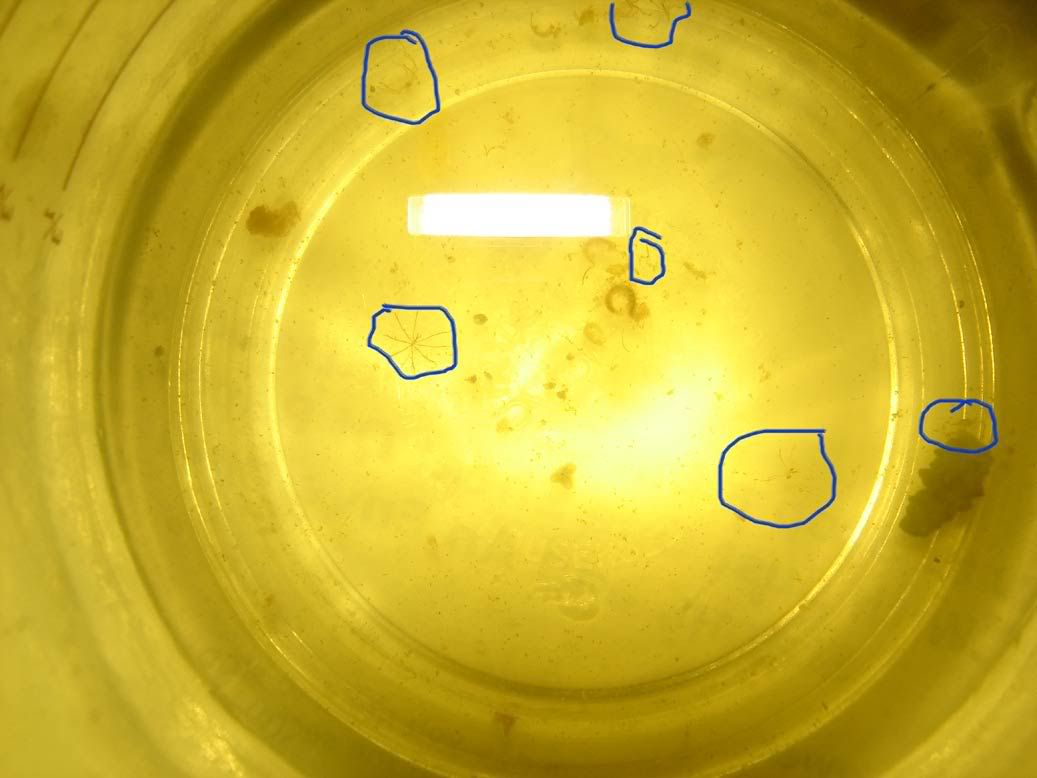


 and they haven't moved since 2am....do they sit in one spot that long?


