DAZ3ON3R
New member
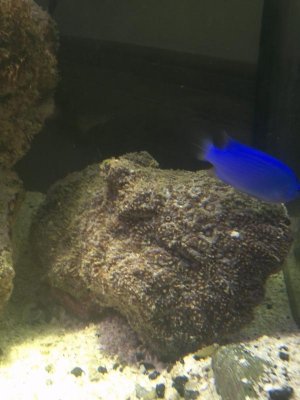
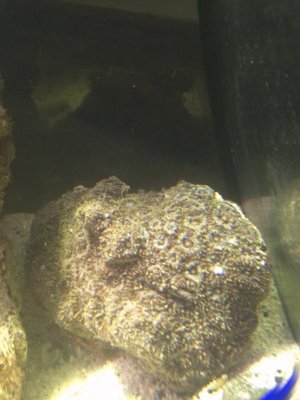
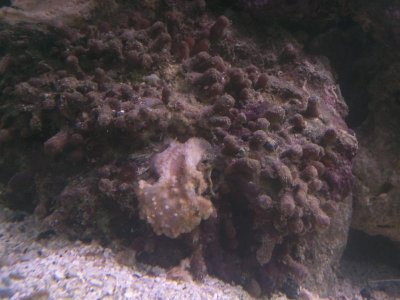
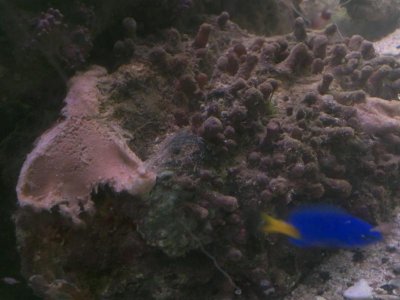
i just bought a few coralsfrom a guy a CL have no idea what they are...the pink stuff looks like its been fragged is it still alive and what is it? here are some pics .....



 . I'm a fan of runnnig carbon 24/7 (generally extruded carbon pellets instead of the lignite-rocks of carbon). Rinse it well before use to remove the dust. That help strip out chemicals that unhappy corals might be putting out. Carbon can also strip the water quickly, so if not already running it, start with a small amount and work your way up. There are some carbon calculators on RC, I think. I think most run just a few cups for smaller systems (100 gallons or less?). Let the acan get some flow, but not a lot. Once the septa show through, algae starts growing and grows much faster than the coral can recover in many cases. Once algae is on the septa, you'll usually have some skeleton spots... Lower flow seems to get acans and many other LPS to fluff up, which is why I'm suggesting the moderate subdued flow for that guy (nothing likes being blasted directly, though).