Algae Problem

ashlynnmurlo

New member
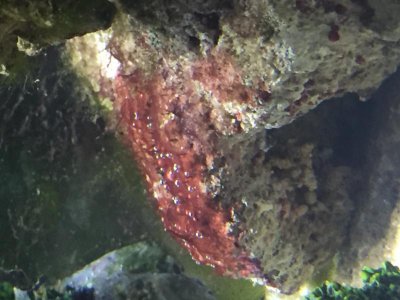
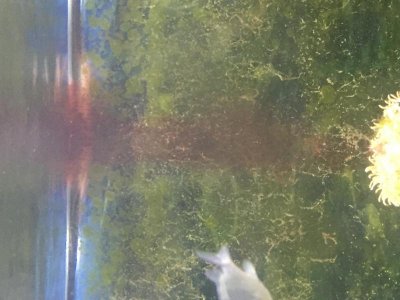
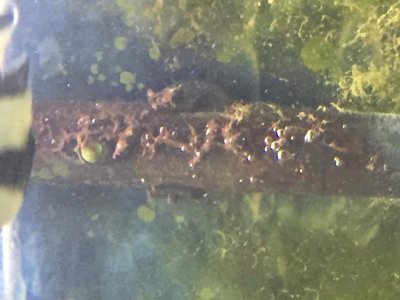
Hi all. I have a tank that is about eight months now, and we are dealing with a big algae take over. I know it's normal to have some algae, but I would like to make sure that what's growing in the tank isn't dangerous for my fish! I had a clean up crew a while back and need to invest in some turbos again I think, as my Picasso triggerfish ate them all before we got rid of him. I'm now questioning some of the red spots on the wall and rock that is growing, and also what is growing on the heater and around it. We were on vacation for a couple weeks so we were unable to do a water change, and when we came back it was all over! I have attached some pictures of what we are dealing with in the tank. Some help identifying and helping to solve the problem would be great!
 

Attachments

  • IMG_7439.jpg
    IMG_7439.jpg
    50.7 KB · Views: 5
  • IMG_7441.jpg
    IMG_7441.jpg
    60.6 KB · Views: 3
  • IMG_7442.jpg
    IMG_7442.jpg
    59.1 KB · Views: 4
Yikes, idk what I'm looking at in the last pic, but it looks rough!
What are you doing for nutrient removal? Like do you have a skimmer, or filters or something?
How often and how much do you feed?
What fish and how big is the tank?
Are you trying to keep coral too? If so what types?

Usually you want to get fertilizer under control first, so the questions are to figure out what you need to do to make sure that the amount of nutrition you add to the tank is matched to the amount you take out.

The red stuffs prolly just cyano, is the first pic the heater you're curious about, like is that lumpy stuff a thing growing on it like roots Kinda?
 
I have the emperor 400 for filtration in the tank. I usually feed once a day, either two small cubes of brine shrimp or one brine shrimp and a cube of "marine food". The tank is a 75 gallon tank. We just got a coral beauty angel two days ago, but besides that we have had a chocolate chip starfish, domino damsel, cardinalfish, 3 stripe damsel, yellowtail damsel, and a blue green chromis. I currently have two fdifferent frags of zoas growing and some GSP.
I just tested the tank and it is at 0 ammonia, 80Kh, pH of 8, 0 nitrite, and 20 nitrate.
And yes, the stuff that is growing on there does look vey root like, although it is difficult to get a good picture of it
 
By the looks of it, the cyano you have will be enjoying all that is inorganic once the nitrogen cycle oxidizing bacteria and symbiotic protists take all that is dead, like left over food for fish and inverts, fascias and much more in the aquarium, to all that was organic to inorganic!
Nitrate is inorganic and is made no matter what; orthophosphate and phosphorus once their bound is broken, are also inorganic!
The two phos components are in all cells of all that is or was alive, including us, so once the cycle gets into what is dead, you have them available for cyano to up take and build its community.
Also at the nitrogen cycles end, another inorganic being pure nitrogen gas is a must for all plant life to do well and algae is basic plant life.
There are a few semi solid forms of carbon dosing like nitra guard and I think bio pellets as well and of course some gfo, you get these in gear for your tank and slightly over dose with varied forms of magnesium and it will get much better!
 
I would start by just pulling out as much as you can. Use a siphon tube on the red stuff. The algae a have eaten up a lot of phosphate and nitrate so by taking out the algae you have gotten that out of the system. Like how you read of some people growing algae on purpose in a separate part of the tank so they can trim it as a way of cleaning the water. It might help to use a soft kids toothbrush to go at the rocks too.

Cleaners like snails are good for getting it out of the rock, I keep 1 snail for every 2-3 gallons of water. But after they eat it they poop most of it back out again, just like how we don't get a pound bigger for every pound of food we eat. That poop will grow algae just like manure grows plants in a garden.

Some people like the biowheel filters, but they are less common than protein skimmers. You might think about upgrading, especially if you are going to keep adding fish. I would not dose carbon (bio pellets or otherwise) without a skimmer. The bio load has a lot to do with how much nutrients you need to remove from the system. I don't have a skimmer either but I use a vacuum tube when I change my water to suck crud out of the sand, and a turkey baster to blow that stuff out of my rocks. You can also wait for stuff to break down into the water and then run gfo to absorb the phosphate from the water.

When you first set up your tank, the rocks and sand have some room in them to absorb phosphates, so if the nutrient balance is a little out of whack they take up the slack. After a few months they get full, I would guess that's what happened to you and vaca was the tipping point. Most of the soft green stuff and the cyano is no prob, I would get the "rooty" looking stuff out cause there's a few like that that can be an issue. Sometimes it can help to move the powerheads around because the cyano likes low flow. What do you have for water movement now?

Here's a good algae info page, I get my snails from them too: https://www.reefcleaners.org/nuisance-algae-id-guide
 
Thank you guys for all of the info! Now this morning however, I went to look for my yellowtail damsel that has been acting sick ever sense we removed my triggerfish, only to find my domino damsel (that seemed completely normal and fine yesterday) to be dead. My other two fish that were kept with the triggerfish also did not eat today. I don't know why their behavior is like this, the newer additions sense the trigger are fine and normal. I'm taking a water sample in to petco today to he it tested and see if they can find anything.:thumbdown:thumbdown
 
Mmm. You need your own refractometer, your own test kits for alkalinity, plus DKH buffer (Salifert is a good brand of test, Kent, for DKH buffer) and you need to start a log book. The hair algae---are you using a ro/di filter? if not, that'll cut off the phosphate that's coming in from tapwater. If yes, just start a GFO reactor, and change the medium monthly. For what's there, toothbrush, wind, yank, and toss, then brush the rock off with toothbrush. in discard water, then replace in tank. Repeat, repeat, repeat. The phosphate fueling the algae has two sources: tapwater and/or rock/sand that was not cured. Now all you can do is remove it with a GFO reactor and don't put any tapwater in.
 
Yes we do use ro/di water every time we top off or do a water change, but originally we started off with tap water so I think that maybe be part of the cause
 
Back
Top