Anemone Species??

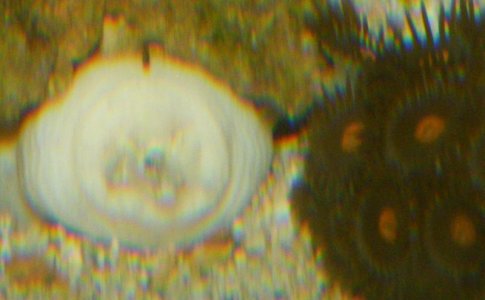
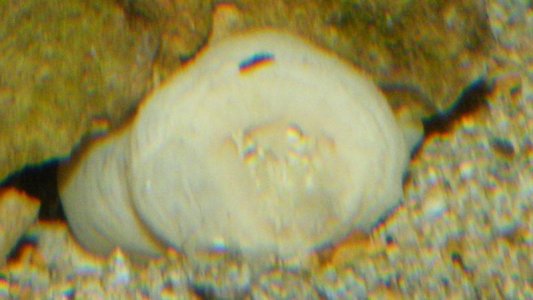
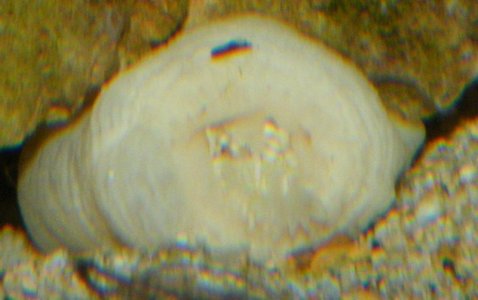
here are some pics of its base :)
 

Attachments

  • 1.jpg
    1.jpg
    40 KB · Views: 5
  • 2.jpg
    2.jpg
    43.2 KB · Views: 5
  • 3.jpg
    3.jpg
    43.6 KB · Views: 3
The two choices I would say looking at those last pics are H. crispa or BTA. With crispa the column is leather looking and the skin appears thick. With BTA the column is very smooth and the "skin" appears thin.
 
yes i actually bought it thinking it is an H crispa and read its very difficult to keep :/ but anyway well see how things go. what do you refer to when you mention "column"? is it the foot? thanks
 
No, the column is the "skin" between the foot (pedal disk) and the tentacles (tentacular crown or oral disk). Generally, but not always, there is a bluish/purplish tip on H. crispa's tentacle. And, the "skin" is rough, leathery, thick looking on crispa. On BTAs the outer layer is smooth and thin looking.

 
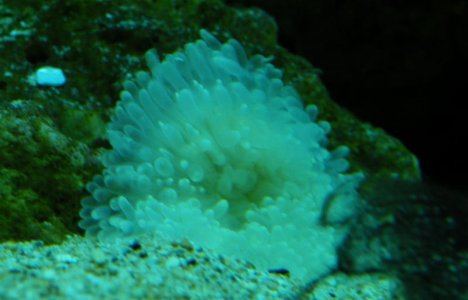
ok thanks for the knowledge! this morning i found it upside down on the sand for some reason but it looks super better now open, inflated and nice, i switched off the high powered led's and just left one t8 daylight tube with not much light and it seems much better maybe it doesn't like to much light... i also fed it a small piece of shrimp and it held on to it for about 8 mins but never ate it, but anyway ill continue trying different meats. here's a pic :)
 

Attachments

  • last.jpg
    last.jpg
    40 KB · Views: 4
In that last pic it looks like a very bleached BTA. It will need to slowly adjust to full lighting. Some folks put 4 or 5 layers of plastic window screen between the lights and water and remove a layer every 4 days or so. Yeah, keep trying to feed with small pieces of fresh food.

How is it attached now, to the rock inside a cave or buried into the sand. Although I'm strongly leaning toward BTA, I'm not completely convinced. BTAs don't bury down into the sand...ever.
 
its foot is attached to the rock though its body touches the sand, though not burred in it! i keep trying to monitor its tentacles though I've seen nothing to convince me of a BTA and neither of H Crispa as it is white throughout! hope it will survive :o)
 
Yeah, BTAs will attach to rocks at the the sand and their column will come in contact with the sand, that's typical. However, they won't dig through the sand to then attach to the rocks. From the looks of it and the behavior you describe, I am almost certain that the person at the shop knew what they were talking about when they said it's a BTA. Good luck with it. That species is quite hardy and it should regain it's color providing it has adequate light and sufficient nutrition.
 
Back
Top