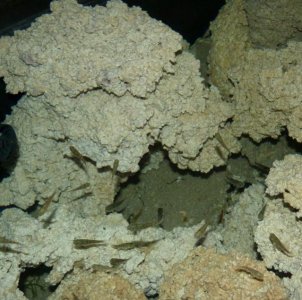
Are my DIY rocks cured?

I have read people with different experiences with the cure rate, mine took 3 months and I used the same mix as you. I did add a gallon of vinegar to the tubs I was using to help speed it up, don't know if it help any more than just changing the water every few days. I was in no rush though.
 
I spent over 3 months curing my DIY rock... I had powerheads in the curing tank, changed water every day for a couple weeks and then every other day... I used vinegar to lower the PH... I went through about 12 gallons of it! My PH was still spiking to 9 or higher over night... I gave up, pulled the rock out and ordered some from Marco Rocks. For me DIY rock was a waste of time and money... but that's just my experience with it. Others have had good luck! I hope it works out for you!

That is because you were dissolving the rock every time you added the vinegar and driving the pH up. It was similar to starting all over again and again.

If you check out the DIY ultimate rocks there is discussion how how to cut the time.

DIY is good if 1. you have the time such as making the rocks first and then getting everything else going.
2. you have a specific scape in mind vs. trying to make something work.
3. you are on a budget.

There is also marine cement that can be used that is quick that will allow you to make rock for less than $1 per pound if #1 is on the short end.
 
I just thought making the background would be an interesting project. I know my patience level isn't going to be great, especially as this is my first SW tank. In freshwater, there are severals ways to speed up or almost eliminate the cycling of the tank. However in freshwater you don't have to consider as many variables. I've been reading through hours worth of threads each night, and some of the DIY rocks are amazing. It looks like fun.
 
You can also do a beckett's pond foam for a back wall that would take a weekend if you are interested in that route. It will run you around $15 for a large can.

There is a DIY thread for foam projects and custom color has a nice write up with pics. in his builds.
 
That is because you were dissolving the rock every time you added the vinegar and driving the pH up. It was similar to starting all over again and again.

you will only dissolve the rock if you add tooooo much vinegar....adding vinegar should have no other effects then changing the water would have...the vinegar you add is to NEUTRALIZE the water not acidify...if you are dropping the pH of the water below 7 then you are adding too much vinegar...

the cure time is completely dependent on a couple things...

firstly: how much portland cement you added to the mix...the more cement the longer it will take
secondly: the pH of your tap water to begin with...it should be around 7-7.5
thirdly: how often you change or neutralize the water.
and forth the density of the rocks....if they are thick and heavy it will take a long time to cure....and if you used rock/ water softener salt it will also take a little longer as the salt dissolves it will open new pockets in the rock exposing more portland to the water..
 
My diy rock just finished its cure...I think, lol! I made it with cement, oystershell, and perlite with just a touch of reef sand. I cured mine in tank and just left it to sit with a powerhead for 4-5 months...I've lost track, but, wasn't in a hurry. I only changed the water once, just a week ago at which point I had to clean alkalie from the cement off the glass to see into the tank...don't recommend curing in tank because of the heavy build up on the glass. I added vinagar to the new water to reduce ph, but, it is also helping to clean off the alkalie...added bonus!). I tested the next day and it read 7.4 on API test. I tested again today, a week later and the water is still at 7.6 so I think this is ready to fill with salt water. I'll let it set with the sw for another week to be sure the ph stays stable before I continue with setup.

this is actually my 3rd attempt at a rock wall for this tank. I tried the pond foam/dry rock on eggcrate first and it was a nice look and I liked the outcome, but, my design was bad and the rockwall was way too big for my small system, (29g at the time...it grew to a 37g, lol) In that 1st attempt, I couldn't get my hands between the rocks and the front glass, so, I ditched that attempt.

My second attempt was basically the same, but, I had been reading and decided to cover the foam with cement to make it blend better with the rock... Decided I liked the cement rock idea better than the foam/rock because the cement rock would become fully bio active like natural liverock over time, whereas the foam part of the foam/rock build would not...so I ditched the half started 2nd attempt.

My current attempt, I like so far... ;) It will be the main live rock in the display with only the small bits of real live rock attached to corals being the only natural lr in the display.

I think the diy walls are great ways to be creative with your aquascapes and *can* (but not always) save a lot of money. I love the creative side and the saving was important to me. IMO, if you don't want to wait for the cement to cure properly, you should go with the pond foam/dry rock style since it doesn't require a cure time once the foam is fullly dried. I found the foam hard to work with though. It dried so fast there just was no time to manipulate it or mold it the way I wanted. If you are only a very simple wall design, though, it is the fasted method and can look very good, too.

 
the nice thing about the foam is you can just spray the poop out of it and then once it is cured you carve away what you dont like, then epoxy and sand it...it doesnt really matter what the foam is doing while you spray it...it is painfully easy to manipulate after it is hard...
 
you will only dissolve the rock if you add tooooo much vinegar....adding vinegar should have no other effects then changing the water would have...the vinegar you add is to NEUTRALIZE the water not acidify...if you are dropping the pH of the water below 7 then you are adding too much vinegar...

the cure time is completely dependent on a couple things...

firstly: how much portland cement you added to the mix...the more cement the longer it will take
secondly: the pH of your tap water to begin with...it should be around 7-7.5
thirdly: how often you change or neutralize the water.
and forth the density of the rocks....if they are thick and heavy it will take a long time to cure....and if you used rock/ water softener salt it will also take a little longer as the salt dissolves it will open new pockets in the rock exposing more portland to the water..

I agree with you. I figured with the 12 gallons he used would do it.
 
I've made around 6000lbs of rock so far this year, mostly large display pieces for custom tanks and there are a few important things to remember when curing this type of rock. DIY rock goes through several different cures and each is an important step in the process. First is the freshwater cure, then a drying cure (probably the most important), then a third cure in saltwater. Even after curing in freshwater, and even though pH readings may be perfect, adding the rock to saltwater will initialize a secondary curing process where the pH will spike again. Here's how I cure my rock:

After taking the formed rocks out of your sand mold (after 24hrs min), rinse the rock well to remove as much sand as possible. I have learned that the particular sand you use is important in the long run. Don't use play sand! It tends to grow diatoms and cyano very well once added to saltwater. I like to use beach sand, shells and all. Place the rocks in fresh water for a period of at least a month. Change the water every 3 days or so, or when you see the lime additives on the surface (looks like floating calcium precip). After a month or so, pull the rocks out of fresh water, rinse WELL, and allow to dry for a period of about to weeks. This is the second step in a proper cure.

After the drying process is over, rinse well and place back in fresh water for another week and check to see if there is any more precipitation on the waters surface. I keep large powerheads in all of my tanks throughout each curing process. You have to keep the water moving. When this step is over, place the rocks in full saltwater with good water movement. Another cure will begin. Even when a "cured" rock is placed in saltwater, a chemical reaction takes place starting a secondary cure which can take another few weeks.

Some rock mixtures can take months in freshwater, depending on water quality and mix strengths. I began freshwater curing my rocks in a secluded high flow area of a local stream, which speeds up the process dramatically (as little as a week). After these processes are completed, I place the rock into a grow-out system with actinic and 10-12k (2/1) NO fluorescents and seed with coralline.

I began curing rock in 50 gallon trash cans but the water changes became cumbersome. I then used stock tanks outside, with our roof spouting directed into the tanks. Each rain can turn over the water volume several times due to the large surface area of a roof. This works well if you live in an area with consistant rainfall. I began using a dehumidifier for replacement water in the growout tanks, plumbed directly to the tank. If provides nearly 10 gallons of clean makeup water each day in my 750gal grow-out rock tank. I have a large breeding population of saltwater killies which seed the rock and I use one toadfish and snails in each tank as a clean-up crew. These tanks have absolutely no filtration other than the rock itself and a sand bed. Many of the tanks have been up for years and water quality stays pristine.

Most of the rock in the photos is 24"+ in size. I use 300gal stock tanks for the freshwater cure and 450 and 750gal tanks as grow-outs.
 

Attachments

  • LR 012.jpg
    LR 012.jpg
    75.2 KB · Views: 11
Back
Top