Mesterhingsten
New member
Hi,
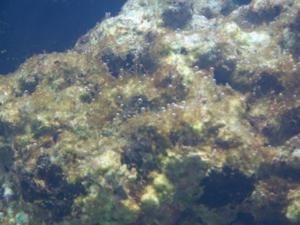
I am having issues with what I believe is diatoms, it has been there for a while, but I believe I had an upswing after I added some dry dead rock while rescaping my tank. I have added some pictures of the live rock. In addition parts of the sand bed is brown.


100 gallon tank, 10 months old
Alk 8.5 (Hanna)
Ca 460 (salifert)
Mg 1350 (salifert)
Salinity 1.025 (refractometer)
Phos: 0.00 (hanna)
Temp 78.5
Flow, 2x Tunze 6095 and return pump
Also did a Silicate Salifert test yesterday and as far as I could see it turned out at 0.
Lighting is 4x Radions G2 6 hrs photoperiod @65% and a couple of hours with actinic @ 5% morning and night. I am using RODI and recently changed the filters of my unit. The skimmer is pulling out gunk daily and I change filter sock every other day. I do regular water changes, which corals seem to like, but I see no change on the algae/diatom issue.
Please advise, I am getting a bit tired of the oxygen bubbles on the rocks and brown stuff on sandbed
I am having issues with what I believe is diatoms, it has been there for a while, but I believe I had an upswing after I added some dry dead rock while rescaping my tank. I have added some pictures of the live rock. In addition parts of the sand bed is brown.
100 gallon tank, 10 months old
Alk 8.5 (Hanna)
Ca 460 (salifert)
Mg 1350 (salifert)
Salinity 1.025 (refractometer)
Phos: 0.00 (hanna)
Temp 78.5
Flow, 2x Tunze 6095 and return pump
Also did a Silicate Salifert test yesterday and as far as I could see it turned out at 0.
Lighting is 4x Radions G2 6 hrs photoperiod @65% and a couple of hours with actinic @ 5% morning and night. I am using RODI and recently changed the filters of my unit. The skimmer is pulling out gunk daily and I change filter sock every other day. I do regular water changes, which corals seem to like, but I see no change on the algae/diatom issue.
Please advise, I am getting a bit tired of the oxygen bubbles on the rocks and brown stuff on sandbed