Help with a potential problem...

yachtdr22

Member
Houston, We might have a problem. I accept Dumb A@* Points for NOT practicing "œSafe Fish" with a QT.
I have a 125 Reef that I have introduced a number of new residents too the last few weeks. Had 2 deaths, but chalked it up to stress.
Tank Particulars.. The Tank was 8 mos old and bought used 12/26/11. Moved the tank with no losses.
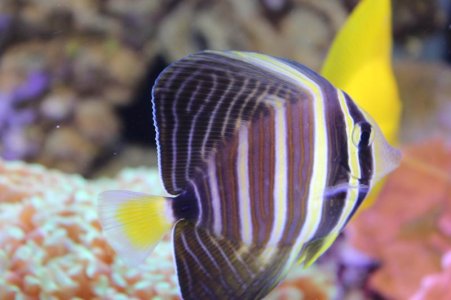
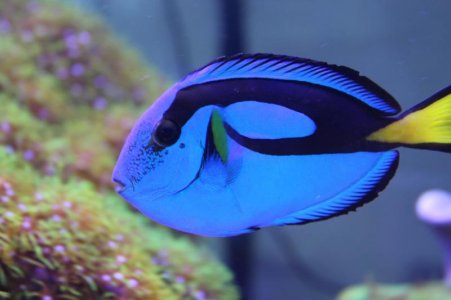
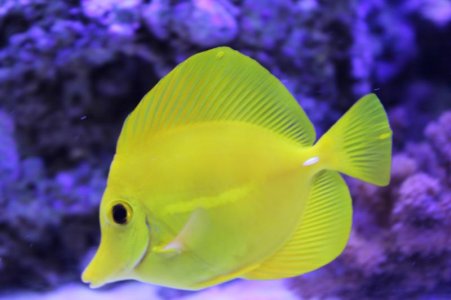
The tank came with 3) Blue Chromis, 2) Clown, Hippo Tang, Sailfin Blenny, Firefish, Pajama Tetra, Mandarin Gobi. I have added; Sailfin Tang, Yellow Tang, Long Nose Hawk, Flame Hawk, Jester Gobi, Marine Beta. I am currently tring to identify some of the corals that were onboard, but LPS, SPS & Inverts. I have added a Calcium Reactor & GFO / Carbon Reactor.
I have just noticed the hippo having maybe the first signs of ich. I am not sure the correct course of action from here. Anyone?
 

Attachments

  • yellow.jpg
    yellow.jpg
    58.5 KB · Views: 8
  • sailfin.jpg
    sailfin.jpg
    66.9 KB · Views: 8
  • hippo.jpg
    hippo.jpg
    60.2 KB · Views: 8
Your only option is to get a large HT/QT and treat all your fish while the DT stays fishless for 10+ weeks. There just isn't an easier, softer way. BTW, IMO, your tank is very over-stocked. I would expect the sailfin & yellow tangs to be at war soon.
 
Hi Tusk,
Thanks for the response.
I have reclaimed my old 75 gal with W/D sump that I am currently setting up as a HT/QT that will stay up and running with I expect 1 permanent resident... yellow tang.

Its gonna take me till Wednesday to make enough water to get it up. I am not sure if the Hippo is infected or not, but I am setting up as if he and the rest need a new place for a few months. I have ordered a Fish Trap and another R/O D/I filter system as making water rapidly has not worked well with my current filter.

It has been interesting watching the Sailfin and the Yellow rub tails with each other?

Please let me know if you have anyother thoughts...

Thanks again.... Drew
 
You can bet that all fish are infected; even if you don't see it. The white spot isn't the actual parasite, ich is usually first present in the gills, and there are other forms of the parasite that aren't visible. I'd read the ich stickies at he top of this forum section; that will help make sense of the treatment procedure.
 
Very good advice I copied from someone.

There are some that like to believe that ich can totally be eliminated via prolonged treatment but it seems that this isn't the case. No matter how long you treat the fish, the ich can still remain as a latent infection in the fish's gills. I equate the ich infection to Herpes Simplex 1 in humans. 80-90% of the population has a permanent latent HSV 1 infection but the vast majority have no symptoms except when they are stressed or sick (compromising their immune system) which results in a cold sore.

The main goal in a marine aquarium is to have a low stress environment for each fish (correct tank size, compatible tank mates, etc) to avoid stressing the fish and lowering their immune system.
The best two way I've found to "treat" ich in a reef aquarium:

1. Extra feeding. Feeding extra times per day reduces the amount of stress on the fish which helps the fish fight the infection. Using garlic enhanced foods theoretically raises the fish's immune system. This is based on basic science and clinical research that garlic has some immune system enhancing properties but I doubt the effect of garlic in treating marine ich has been studied.

2. Using a powerful UV sterilizer with a low flow rate. It's important to make sure the ich load (protozoans per ml of water) is kept low. If the ich load in the tank is increased, this will worsen the infection in sick fish and non stressed fish in the tank can also develop an ich infection since their normal immune systems cannot deal with the large amount of ich they are encountering. The lifeform of ich in the water column is resistant to UV (several times more resistant than algae). For example a 25w UV sterilizer would have to be run at 110-184 gph to be effective (much slower than what most people run their UV sterilizers at). http://www.suburbanreef.com/classic-...terilizer.html

I like the first idea of feeding to help reduce the stress levels. The second idea of a UV sterilizer I'm not a fan of.

I too had ich in a 180gal reef and took everything down and treated my fish for 8 weeks and my 180 was fishless for the same time. After putting the fish back it took about 1 month and ich was back. I think if you have or think you have it in your tank proper ID to make sure and then feed your fish back to health is key. If you put any new fish in your tank in the future I'd QT them. But IMO i think your wasting your time putting all those fish in a QT now. You asking for more trouble because your going to stress your fish out even more. Good Luck
 
Last edited:
What are the signs of ich you believe you are seeing? Flashing (rubbing), salt specks on skin, heavy or excessive breathing, lethargy?

I do not see any indications on the Hippo Tang from your pictures, however as Mr Tuskfish states Ich can present without any visible indications during parts of its life cycle.

I would not recommend jumping the gun and dumping all the fish in a HT until you have some clear indications of ich or some infestations.

Following proper QT procedures with new fish is the best route and investment you can make in your care of your fish and your tank. Managing ich through nutrition and UV sterilizers can work in the short term, however in the long term I do not recommend this approach.

I think careful observation for a few days or weeks would be wise. Setup a QT/HT in preparation for treatment in the meantime.
 
Back
Top