
You are using an out of date browser. It may not display this or other websites correctly.
You should upgrade or use an alternative browser.
You should upgrade or use an alternative browser.
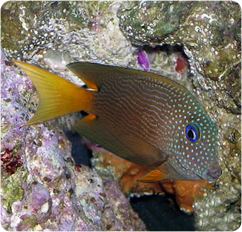
ID tang(looks like elbino?)
- Thread starter Lanzo.
- Start date


5h3rW1N
New member
it looks like a regular blue eye kole tang ctenochaetus binotatus but im liking what you'll be getting.
very nice
http://www.bluezooaquatics.com/productDetail.asp?did=1&pid=865&cid=287
very nice
http://www.bluezooaquatics.com/productDetail.asp?did=1&pid=865&cid=287

Lanzo.
New member
it was just a comparison. like what you said
ID tang(looks like elbino?)
Shot man
would like to know if someone has seen one like this before
Lanzo.
New member
i have mailed John
lets have a look what he thinks
Thanks yuri

skibum9884
Active member
very cool. please post some more pictures when you get it tomorrow. maybe someone can shed some light on what it is, but I agree it looks like a variant of a blue-eye kole (and when I say variant, I mean something wrong genetically!).

AuroraDrvr
New member
It is a xanthic morph, likely caused by only consuming a single dietary item in the wild. There have been xanthic triggers and angelfish that come in, and quickly change back into normal coloration once their food source exhausts.
If it were an albino, it would not have pigmentation in the eyes, thus it would have the classic "red-eyes".
Here is a xanthic triggerfish. It came in all white like your surgeonfish did, but it changed coloration back in a matter of weeks.

If it were an albino, it would not have pigmentation in the eyes, thus it would have the classic "red-eyes".
Here is a xanthic triggerfish. It came in all white like your surgeonfish did, but it changed coloration back in a matter of weeks.


Yurivd
New member
I doubt it keeps those colors in the aquarium, good luck keep us posted.
this fish is 8 inch

copps
Premium Member
i have mailed John
lets have a look what he thinks
Thanks Yuri (and Tim) for emailing the photo of this fish as I cannot view it. Lanzo, as has been mentioned, this is a xanthic Ctenochaetus genus fish... likely Ctenochaetus binotatus (binotatus means two black spots, which this fish lacks for now). I've received many fish like this through many families including surgeons, and they all revert back to normal color over the course of a few months time. Many color morphs I have have stayed through time, but any showing this lack of pigmentation like this without true albinism have reverted back. My theory is that this is something that the fish is genetically predisposed to in combination with their diet... when brought to captivity and given a varied diet the pigments come back. In the wild apparently these fish keep this coloration over time as I've spoken with a few divers that have tracked individual specimens...
C. binotatus is pretty widespread, but did this fish perhaps come from Sumatra by chance?
Copps


