You can try this - but use caution
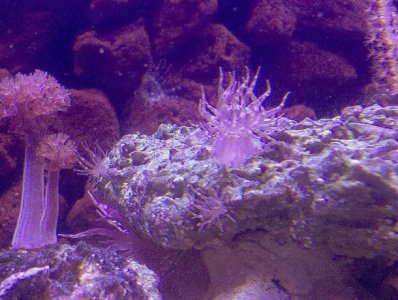
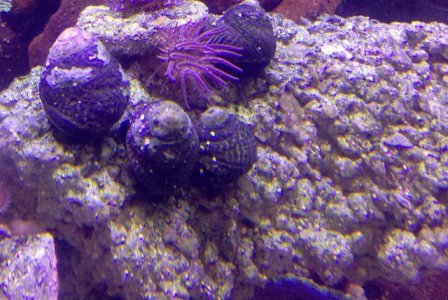
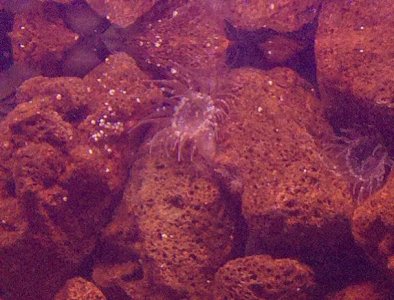
APTASIA REMEDY
Red Devil lye (Draino???) is the brand name. Drain cleaner and 100% sodium hydroxide. But...here's the good part. Dissociates completely in water into Na and OH-. Nothing changes but pH, and the pH since it coagulates with the calcium hydroxide remains a very local pH effect and you'd have to add a lot to a really small tank to see a pH effect because of its behavor in the presence of other cations in seawater.
Here's the recipe. Get a capped bottle - like a spice jar...around 100ml or less. Add a heaping tablespoon of lye and dissolve in distilled water, and then a heaping tablespoon of kalkwasser. Use a transfer pipette or a transfer syringe or a syringe with a large bore needle to just slowly drip a little on the anemone. It will turn into mush along with anything else organic it contacts. Turn off all water cirulation as it will take about an hour to ensure everything is dissolved.. Also, by this point, the residual mixture is no longer nearly as caustic since it has equilibrated with seawater..the anemone dissolution and its contact with seawater has already made it safe once you turn the flow back on. It contacts the anemones easily just like Joe's juice, the difference of course being that it actually works well.
Two warnings: lye is extremely caustic and be careful when making the solution...lye boils if added to water...always add water to lye slowly and stir with a non metal object and watch your hands and eyes until dissolved. The container will get hot. Then the kalkwasser. Stir the mixture well before each use...you can do this by simply syringing in and out of the container before sucking up a batch. Second warning - even in solution this stuff will burn you - so wear gloves or be careful.
BY: ERIC BORNEMAN



 .
.


