
I currently have the fish pictured below in my display, which I purchased as a blue flasher wrasse from a LFS who acquired it from Quality Marine.
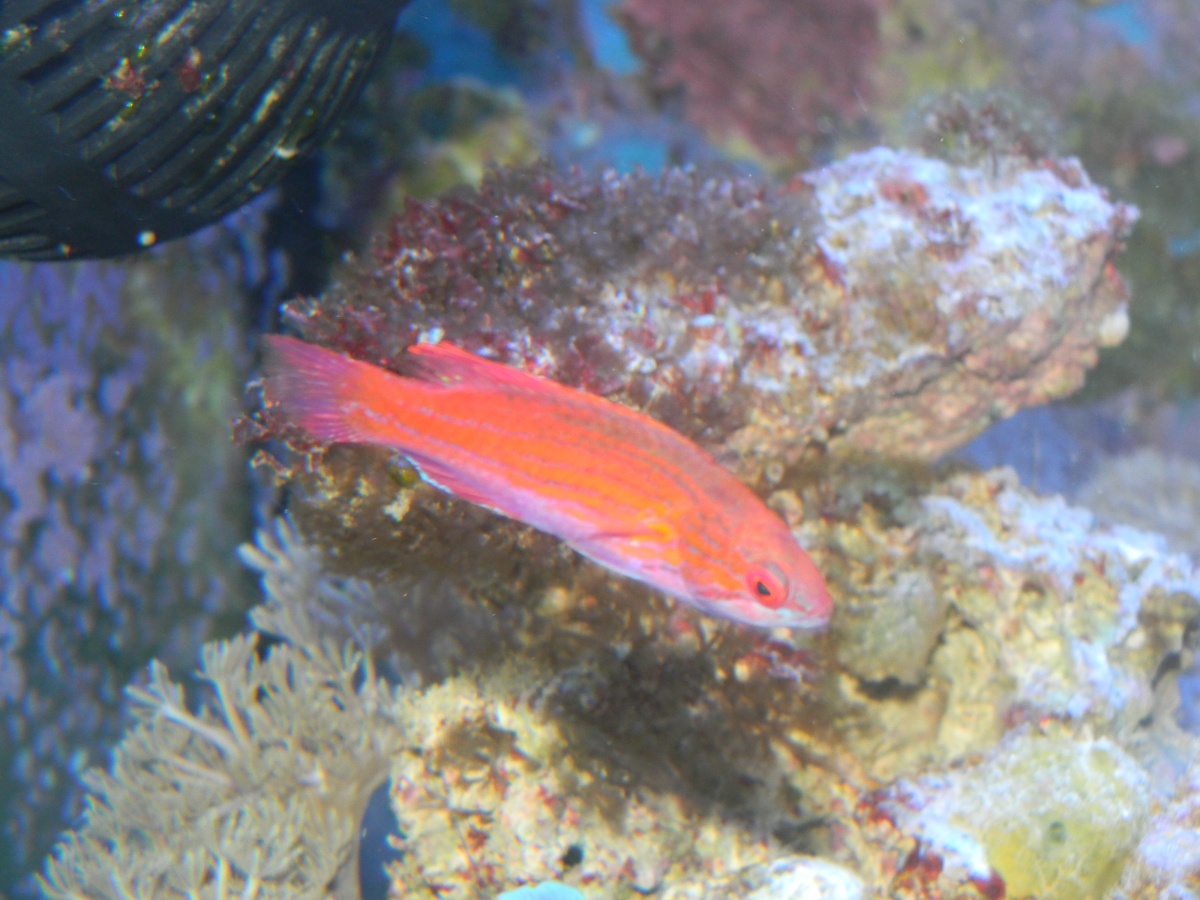
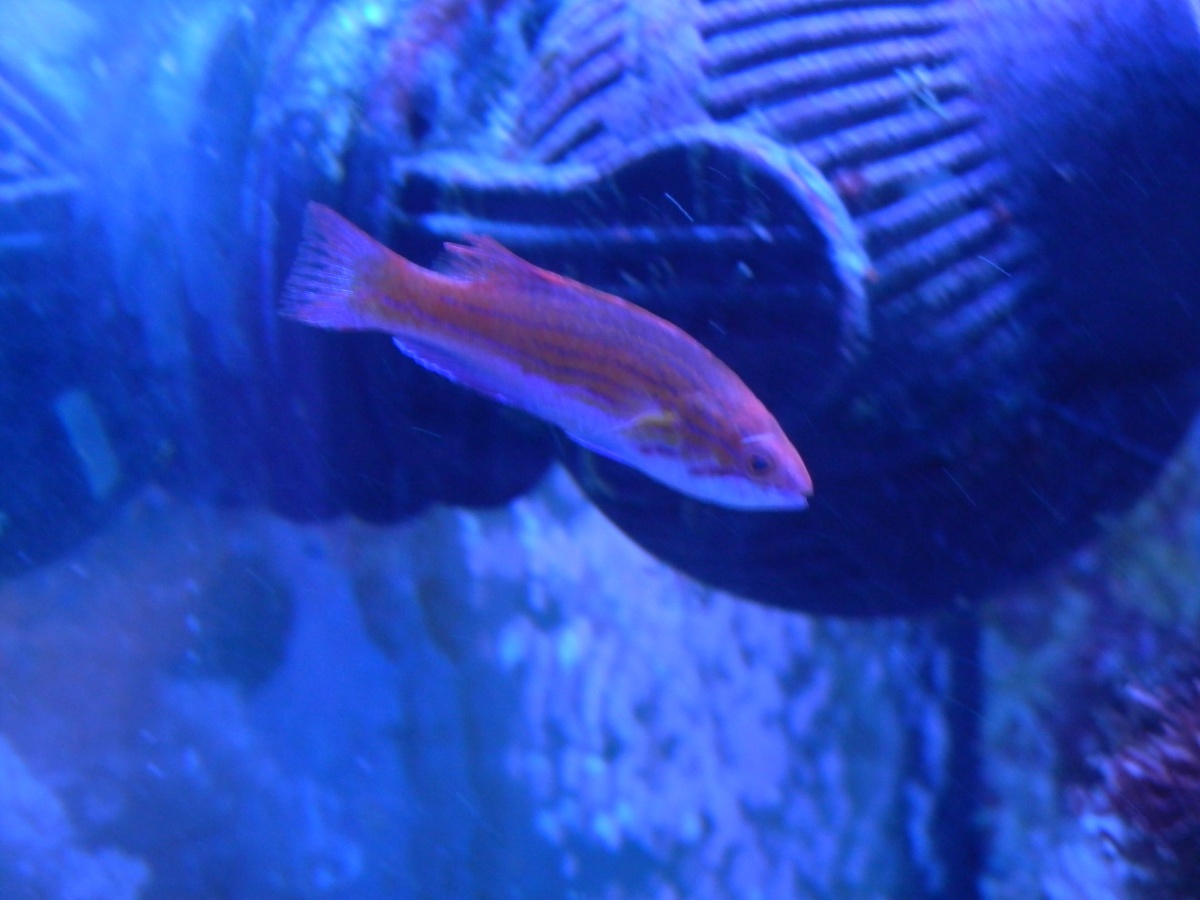
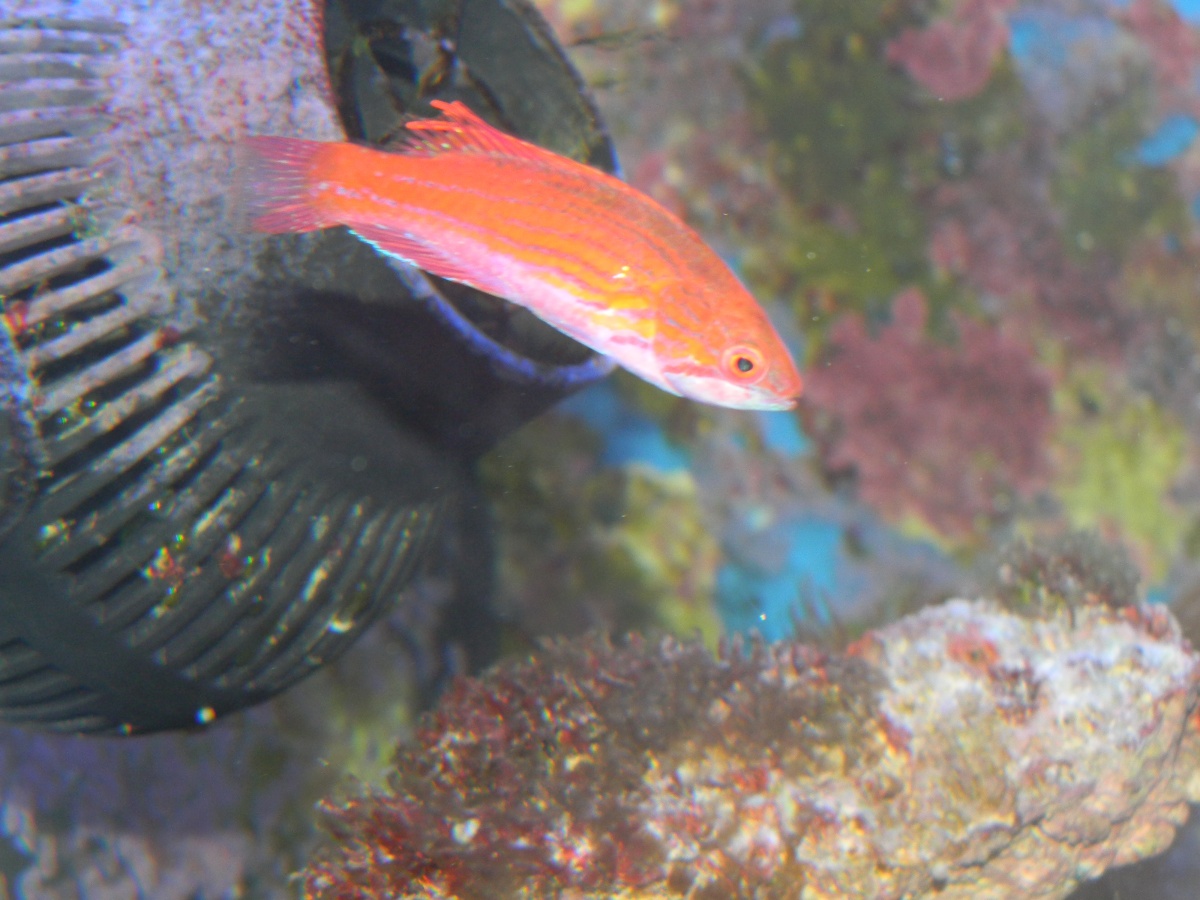
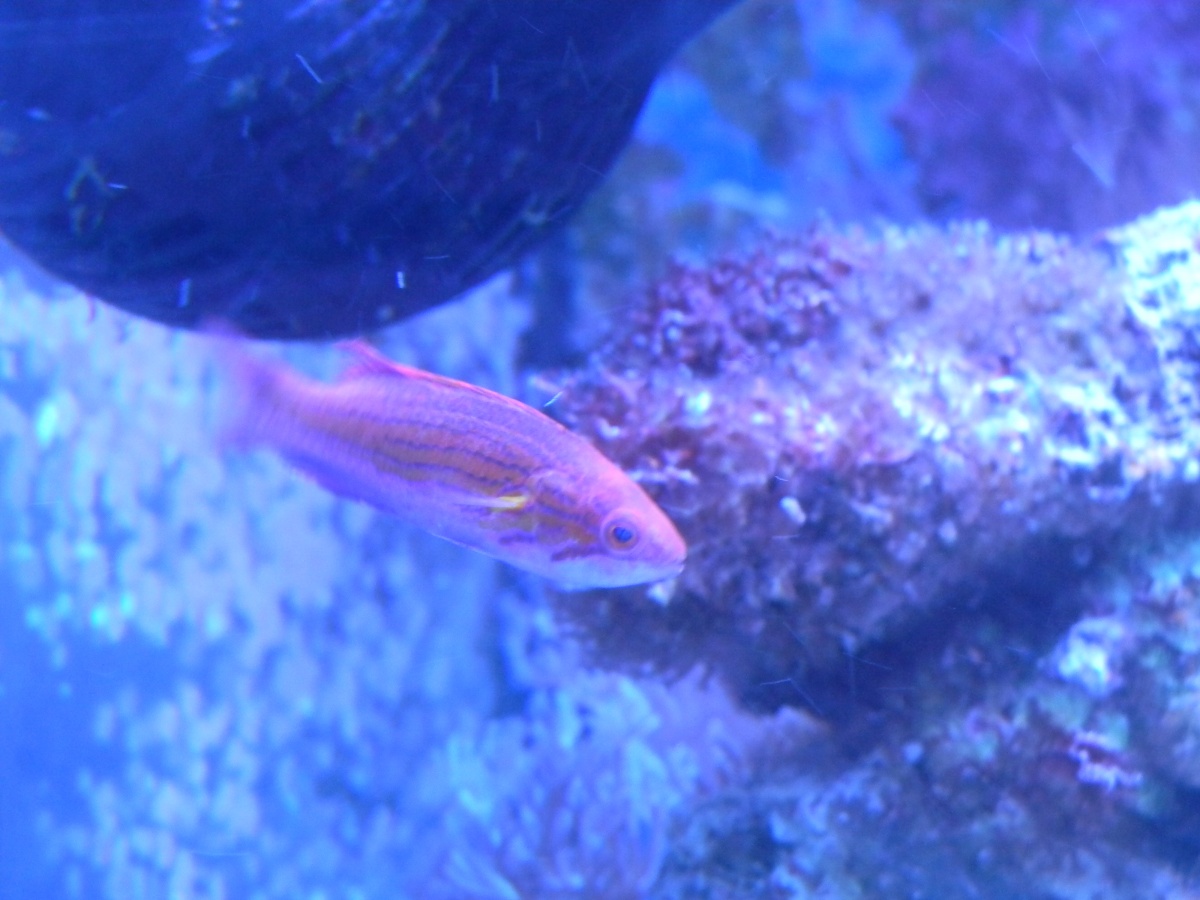
I purchased this fish a couple of weeks ago as an assorted fairy wrasse. It's obviously a flasher though, but I'm not sure what species. More importantly, is it the same species as what I already have?
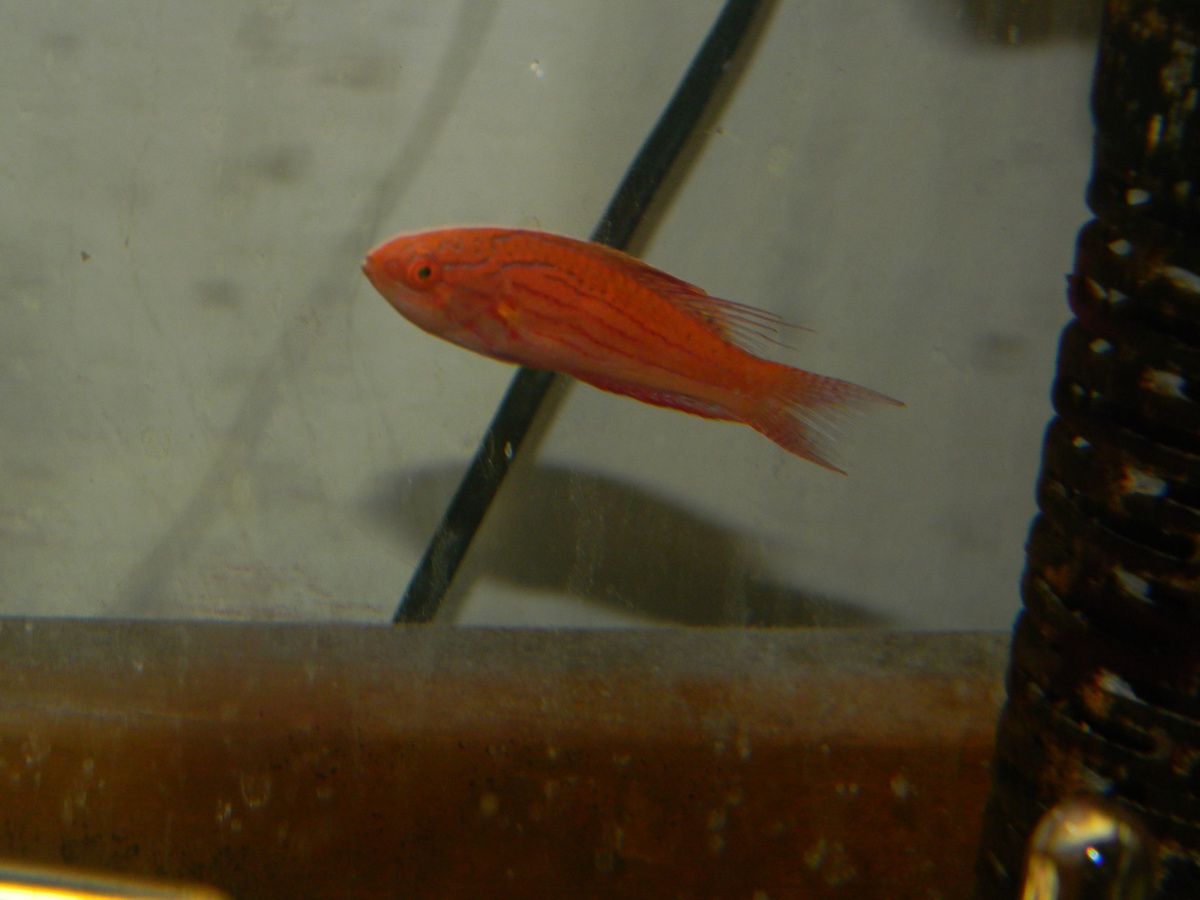
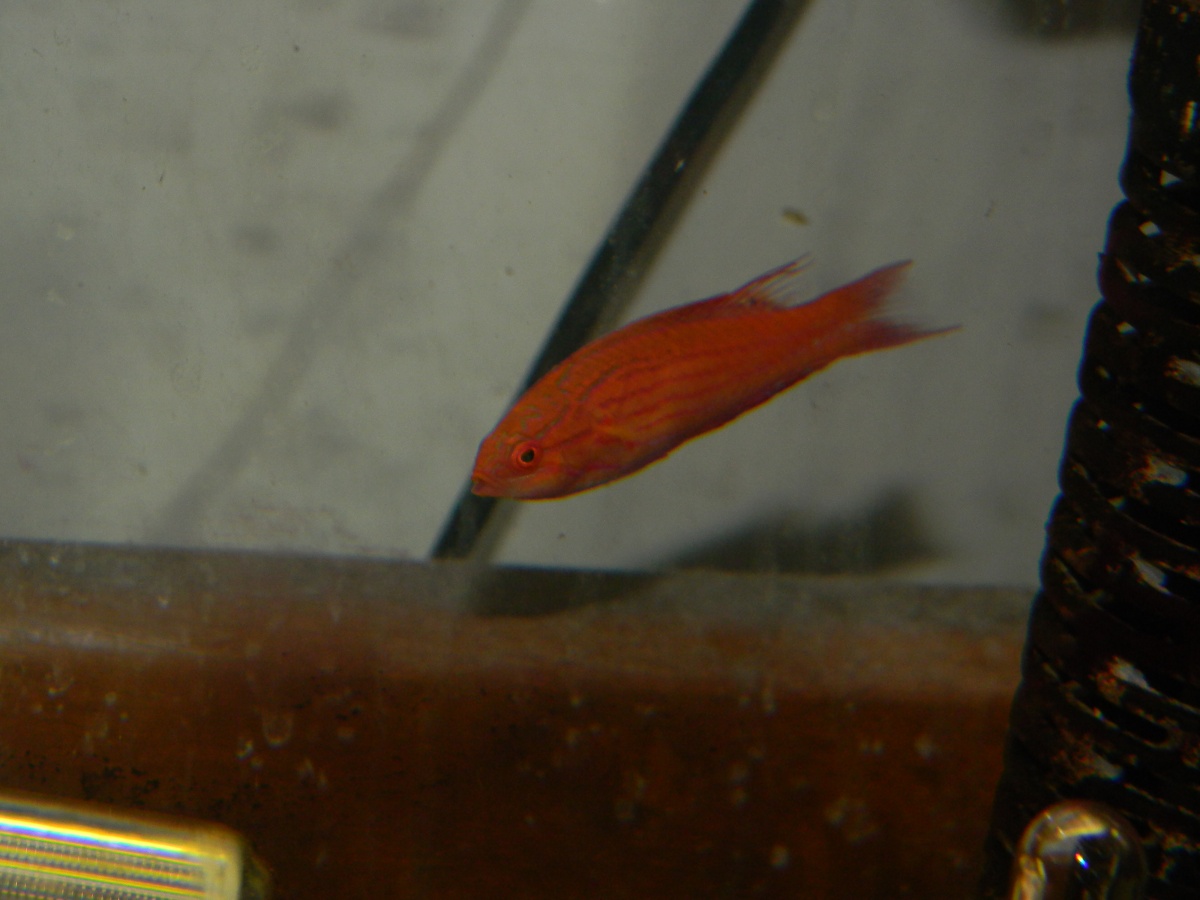
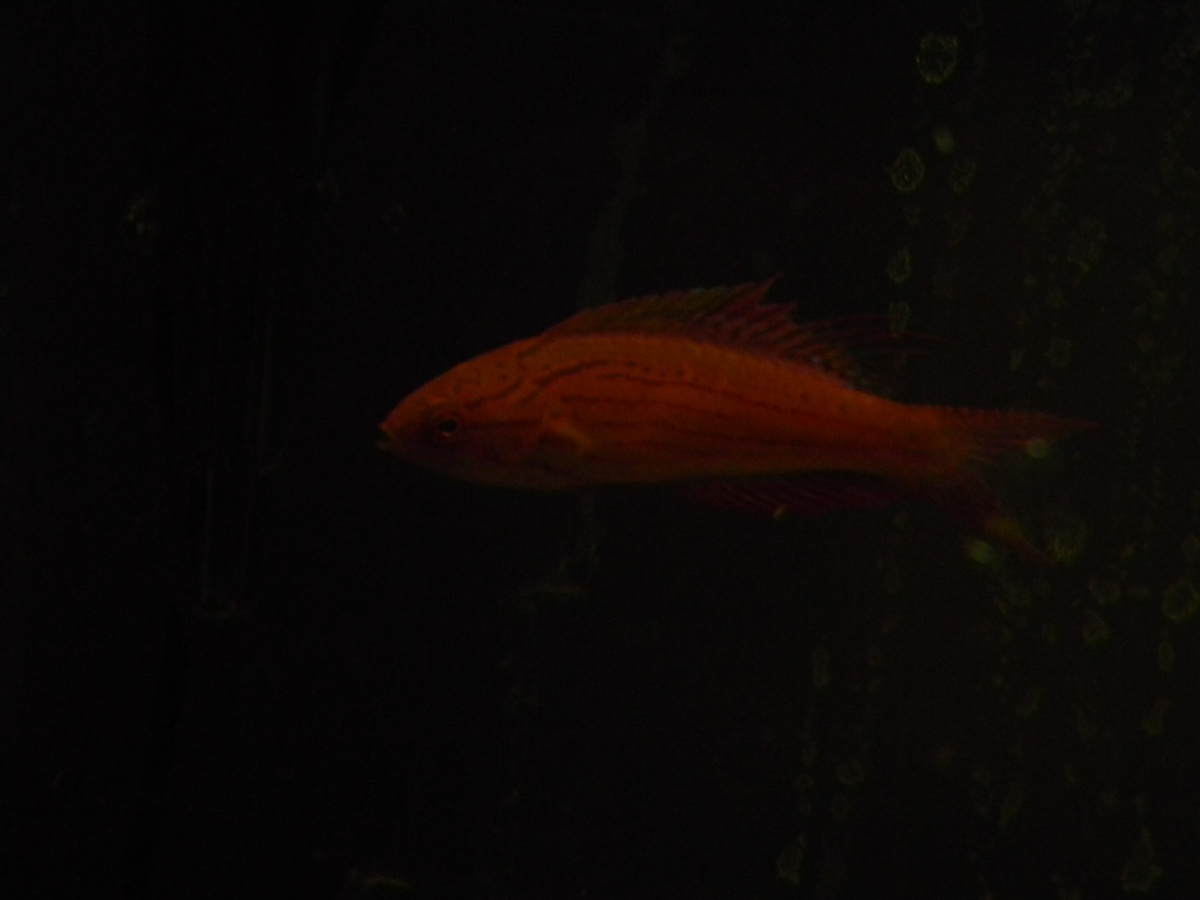
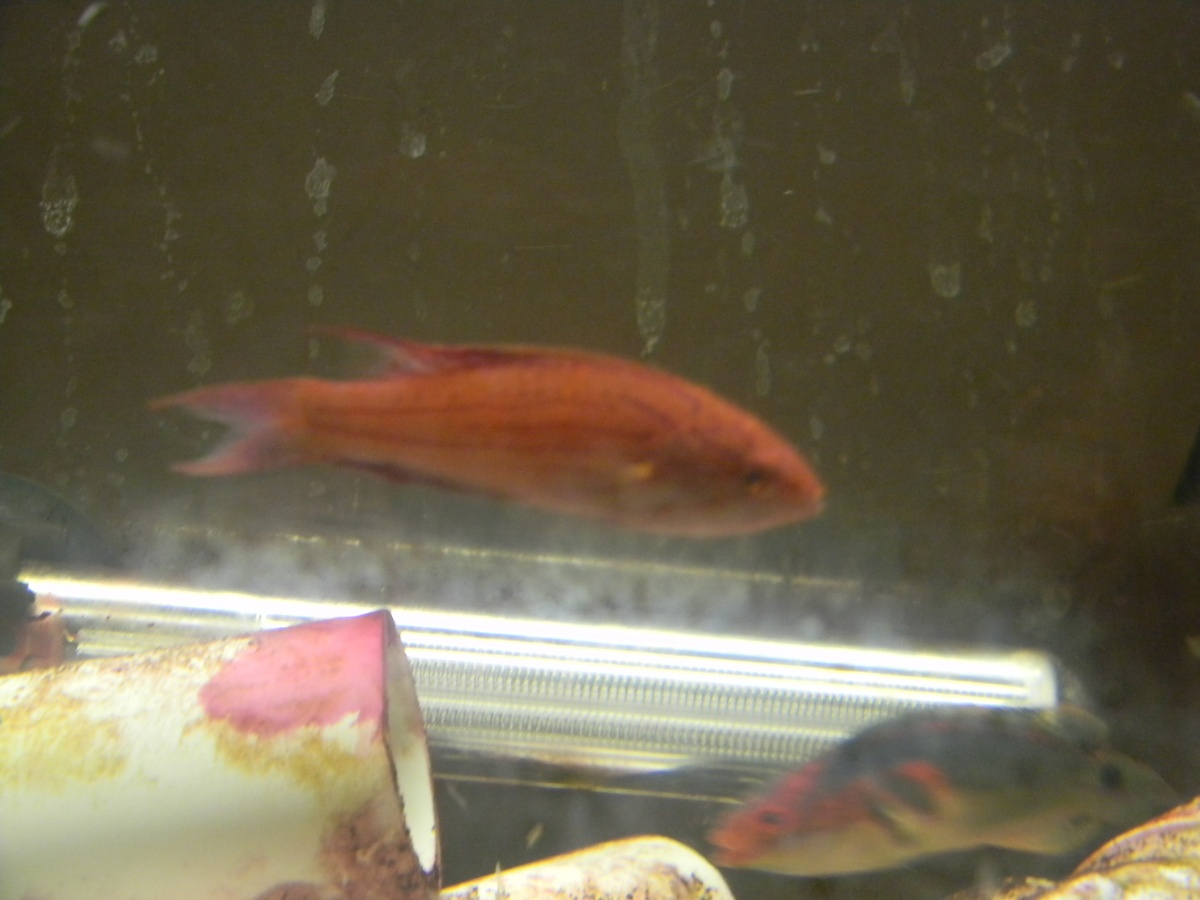
I at first thought the newer fish was a filamented, but I'm not sure. The newer fish seems to have longer or more pronounced filaments on the tail to me, but I don't want to start a war if I move him to the display. (The newer fish is in QT right now.)
Thanks for any help!
I purchased this fish a couple of weeks ago as an assorted fairy wrasse. It's obviously a flasher though, but I'm not sure what species. More importantly, is it the same species as what I already have?
I at first thought the newer fish was a filamented, but I'm not sure. The newer fish seems to have longer or more pronounced filaments on the tail to me, but I don't want to start a war if I move him to the display. (The newer fish is in QT right now.)
Thanks for any help!


