Sixline wrasse with white marks and white poop? What is it?

luconi

New member
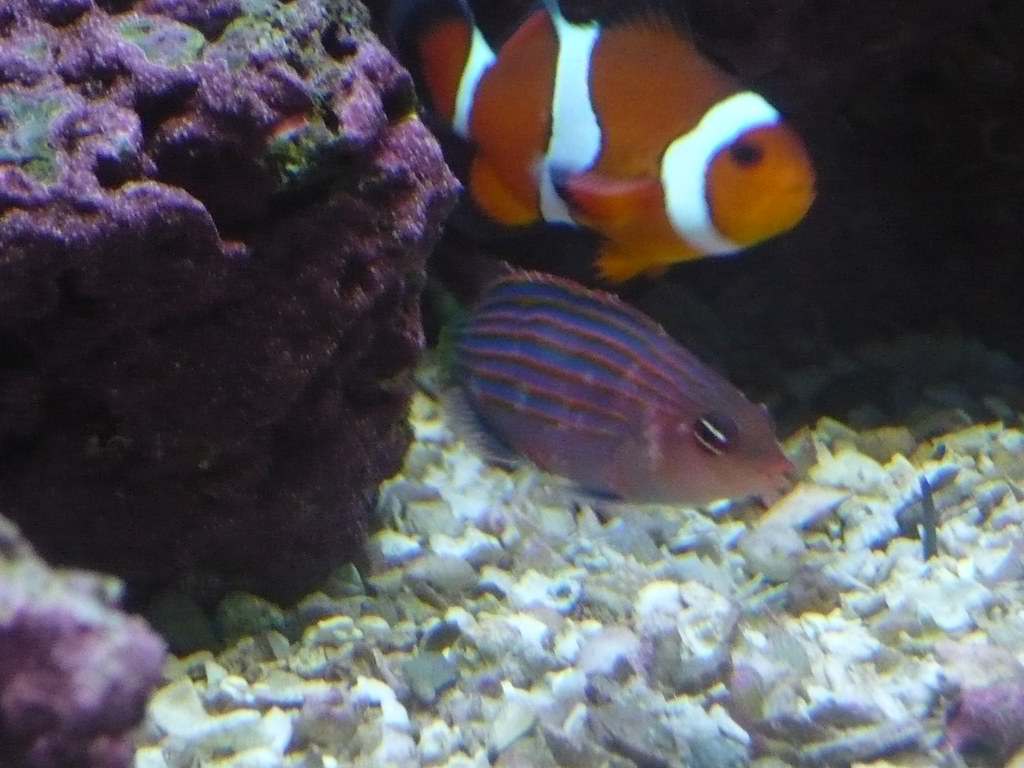
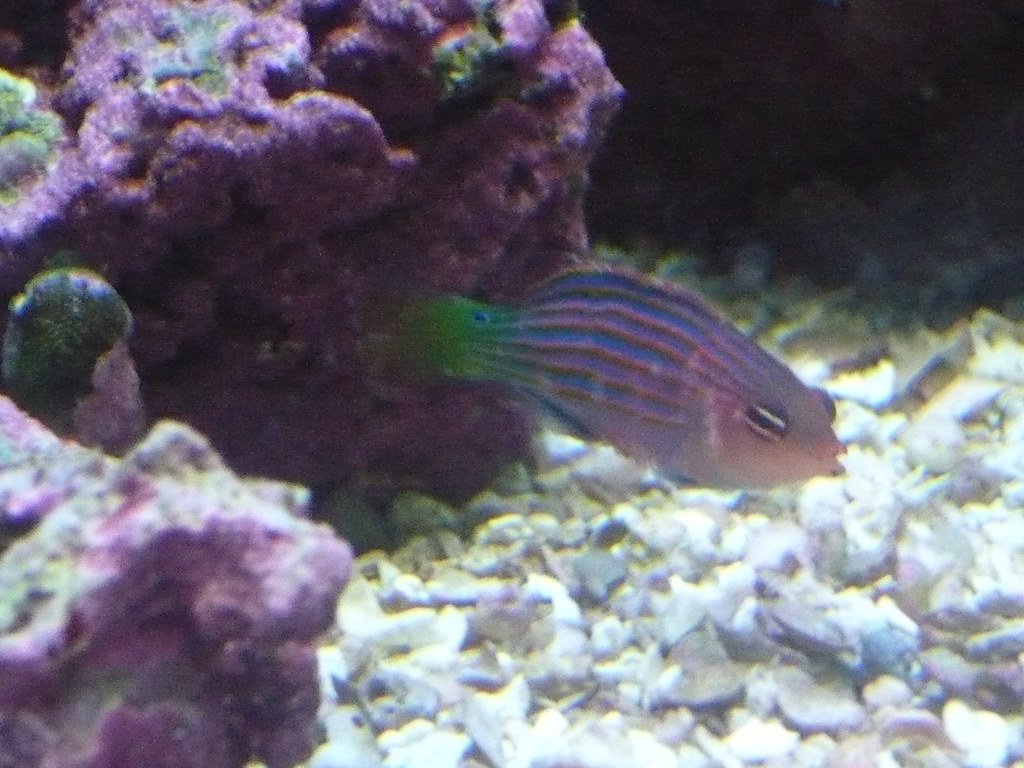
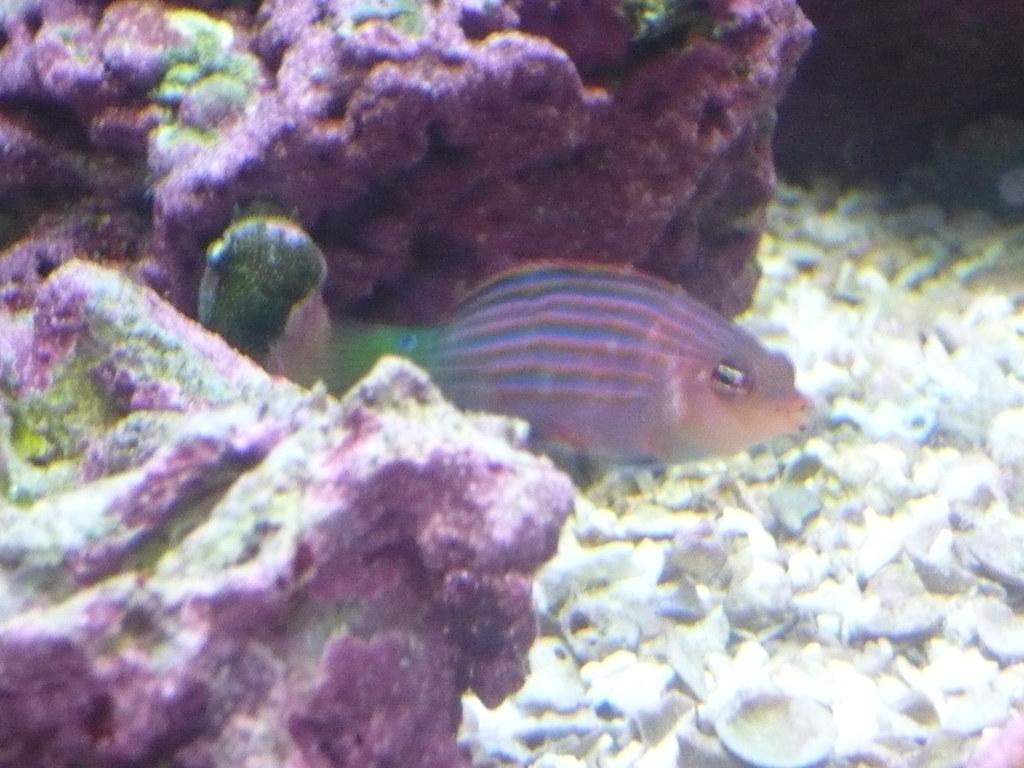
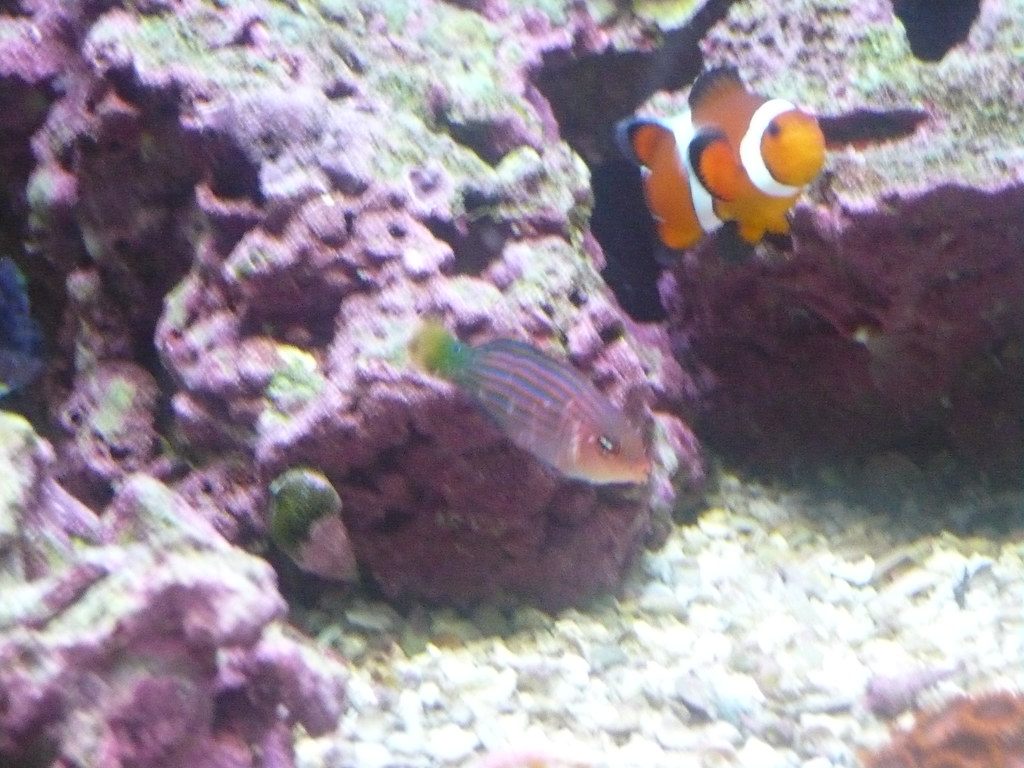
So I got a sixline wrasse about 5 days ago, and it seemed healthy at the store, so I got it, and it seemed to be doing well in my tank too, but now it has white marks which are getting worse I think, and I just noticed that it's poop is white. It is eating fine, and goes after food, but for some reason it doesn't seem quite as active and doesn't seem to be swimming around the tank as much today. It's just staying in a couple different spots (this is just today though..I think). (Maybe I'm even wrong about it moving less..It just kind of seems like it to me...)

I thought that they were just injuries, because one of its fins seems torn and so does the tail fin. They white marks are more dominant on one side, but there are some on the other. Is it just injuries from scraping against rocks? Is my sixline getting in fights with my sally lightfoot? The sixline and my clownfish get along just fine.

I have a blue tuxedo urchin, sally lightfoot, sixline wrasse, clownfish, soft corals (1 ricordea and some zoas/palys). There are snails and featherdusters and stuff too. What is going on? Thanks in advance for answers!

Here are some pics:
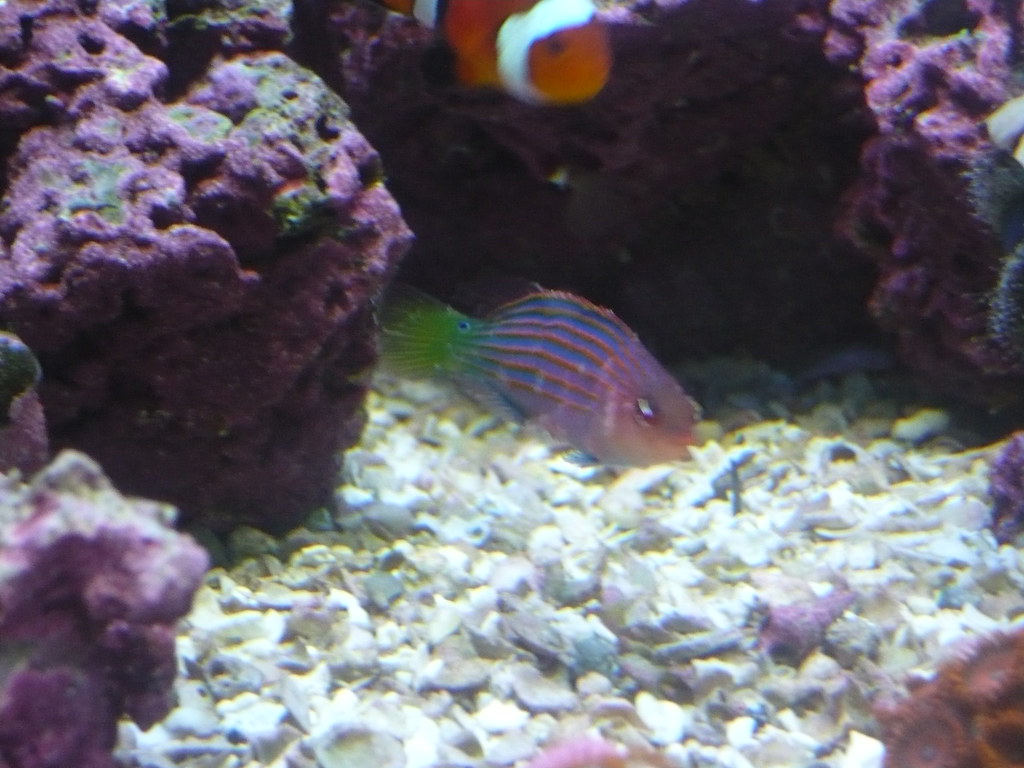
4898120713_945e63d671_b.jpg


4898119499_41751ff743_b.jpg


4898118823_318a75bfb4_b.jpg


4898711776_f2483aa0d7_b.jpg


4898711126_1fabacedc9_b.jpg
 
It's hard to tell from the pix (they're very fuzzy), but the spots could be a bad case of lymphocystis. White, stringy feces is usually a sign of intestinal parasites (usually worms) or malnutrition.

Is the fish "gilling" heavily?
 
Gilling is the fish equivalent to panting: heavy labored breathing.

It looks the fish is missing a lot of scales. Several diseases can cause this directly or it can be caused from the fish rubbing up against rock due to irritation. Often Ich causes this type of behavior.
 
Grr... Is this any threat to corals or anything other than fish? It does look like it is gilling somewhat...
 
Last edited:
No threat to the corals. If the fish has flukes, they aren't as contagious as something like crypto, and lympho isn't usually contagious at all.
 
6 Lines are notoriously difficult to catch, but if you can get him out of there and treat him in a separate tank, I would do it.

If you use a ph and temperature adjusted fresh water dip, you may be able to detach some of the ich (if thats what is wrong.) If it is flukes, you should be able to see them fall out from the gill area into the fresh water.

Then medicate accordingly....
 
Last edited:
Nevermind it died and got eaten by my sally lightfoot... Is it important to get the bones out immediately or can it wait till a little bit later.. I actually don't know where the bones are anymore.. :(
 
Sorry to hear that. I hope the rest of your fish survive.

I highly recommend QT'ing fish. I know it sounds like a pain, but its easier in the long run.
 
Ya.. Thanks for all the help by the way! :D I was thinking about getting one of those dips like Prazipro or something and try that, but the place I was planning on going to wasn't open until today, and now it's too late, but oh well. I think I'm just going to stick with corals! :D and I do have a dip which kills the parasites on those! Thanks again for the answers!
 
Sorry to hear that I jumped on this thread a day too late.... The white poop is the result of a septecemic bacterial infection. That is basically an infection created by the rupturing of the internal organs and the resulting bacteria spreading throughout the inside of the fish. Sometimes this kind of infection can take weeks to manifest itself in the fish. The cause was poor decompression on the part of the diver collecting it. In most cases of septecemia there is no real treatment that can be performed since the infection is internal and not external.
 
Sorry to hear that I jumped on this thread a day too late.... The white poop is the result of a septecemic bacterial infection. That is basically an infection created by the rupturing of the internal organs and the resulting bacteria spreading throughout the inside of the fish. Sometimes this kind of infection can take weeks to manifest itself in the fish. The cause was poor decompression on the part of the diver collecting it. In most cases of septecemia there is no real treatment that can be performed since the infection is internal and not external.

Hmmm.. That's interesting.. So at least it's not my fault or my tank then :D That's good.. Thanks for the info!
 
be careful with the sally lightfoot, ive seen them catch fish in the wild and they get very large as adults
 
Back
Top