thommyboy12183
Member
Hello All,
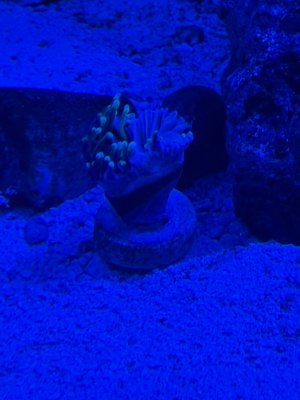
I know this isnt the easiest thing to do but I am trying to determine ate my torch coral. I think I have a likely culprit but Wanted to check with everyone here.
I have a 29G Biocube with AI Hydra Edge 44 light. I just performed a water change yesterday morning and everything looked good.
Based on the below is it a safe assumption that the camelback shrimp is the culprit or is there something else that could have eaten the torch? I have not lost anything else recently. About a month ago i lost a blenny and clown that I have since replaced(i at first assumed that was the carpet that may have eaten those two fish).
Any thoughts would be greatly appreciated. Before I take the camelback out. Not sure if i should remove anything else from the tank to ensure the safety of the rest of the fish.
phosphate = 0.02
Nitrate = 10ppm
Nitrate = 0
ammonia = 0
Alkalinity = 240
pH = 8.0
SG = 1.032
temp 77.6C
In the tank:
Inverts:
1. Large Brittle Star Fish
2. Fighting Conch
3. Turbo Snails
4. Hermit crabs(halloween, Blue legged, Red Legged)
5. Tiger Pistol Shrimp
6. peppermint shrimp
7. Camelback Shrimp
8. Sunburst BTA
9. Green BTA
10. Green carpet anemone
Fish:
1. Two Snowflake Clowns
2. McCosker Wrasse
3. Bicolored Blenny
Coral:
1. Encrusting Montipora
2. Stylocoeniella
3. Ricordea Mushroom
4. Birdsnest
5. Soft Coral Tree
6. Acon Coral
7. Torch Coral
I know this isnt the easiest thing to do but I am trying to determine ate my torch coral. I think I have a likely culprit but Wanted to check with everyone here.
I have a 29G Biocube with AI Hydra Edge 44 light. I just performed a water change yesterday morning and everything looked good.
Based on the below is it a safe assumption that the camelback shrimp is the culprit or is there something else that could have eaten the torch? I have not lost anything else recently. About a month ago i lost a blenny and clown that I have since replaced(i at first assumed that was the carpet that may have eaten those two fish).
Any thoughts would be greatly appreciated. Before I take the camelback out. Not sure if i should remove anything else from the tank to ensure the safety of the rest of the fish.
phosphate = 0.02
Nitrate = 10ppm
Nitrate = 0
ammonia = 0
Alkalinity = 240
pH = 8.0
SG = 1.032
temp 77.6C
In the tank:
Inverts:
1. Large Brittle Star Fish
2. Fighting Conch
3. Turbo Snails
4. Hermit crabs(halloween, Blue legged, Red Legged)
5. Tiger Pistol Shrimp
6. peppermint shrimp
7. Camelback Shrimp
8. Sunburst BTA
9. Green BTA
10. Green carpet anemone
Fish:
1. Two Snowflake Clowns
2. McCosker Wrasse
3. Bicolored Blenny
Coral:
1. Encrusting Montipora
2. Stylocoeniella
3. Ricordea Mushroom
4. Birdsnest
5. Soft Coral Tree
6. Acon Coral
7. Torch Coral