
Atlantic blue tang

golferbud101691

New member
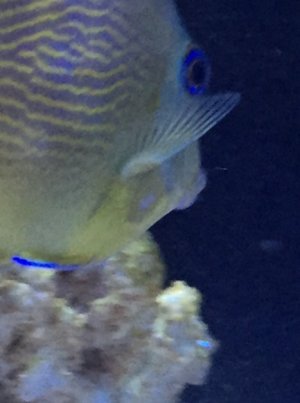
I have a Atlantic blue tang in a 120. Yes, I know the tang police are after me already. He's only 4in at the moment and changing. As you can tell, it has some sore spots on it. He keeps on flashing the rocks and getting these dark spots. One below the mouth on the side and the other near the top. This is the best pic I could get. He is eating very well and only flashing about once every 20min, but it's happening. He was in a qt for 4 weeks, no signs of ich at all other than the flashing. Any suggestions? I have used some stress coat and turned my skimmer off today.
 

Attachments

  • image.jpg
    image.jpg
    54.2 KB · Views: 5
It could be that the lfs was running low levels of copper which will mask parasites for roughly 30 days. Or it could be that he acquired it from your tank, depending on history of the tank. The tang likely has some kind of parasite, ich, velvet, flukes, brook...you'll have to look for other symptoms, bumps, redness, skin sloughing, dusty appearance etc. The dark spots are probably from stress, if they become red/sores it is serious. If it looks like ich I would start Tank Transfer Method asap. And well, the display is infected too.

I recommend tank transfer method for new arrivals (will take care of possible ich), followed by observation in QT (I go for a full 12 weeks total).

Good luck and if you need anything else, just ask.
 
It could be that the lfs was running low levels of copper which will mask parasites for roughly 30 days. Or it could be that he acquired it from your tank, depending on history of the tank. The tang likely has some kind of parasite, ich, velvet, flukes, brook...you'll have to look for other symptoms, bumps, redness, skin sloughing, dusty appearance etc. The dark spots are probably from stress, if they become red/sores it is serious. If it looks like ich I would start Tank Transfer Method asap. And well, the display is infected too.

I recommend tank transfer method for new arrivals (will take care of possible ich), followed by observation in QT (I go for a full 12 weeks total).

Good luck and if you need anything else, just ask.

There are no other signs of ich fortunately. Like i said, he is eating well. Do you suggest enriching his food with vitamins first?, freshwater dip, or just take him straight to a hospital tank. All other tank inhabitants are healthy and happy. I dont have a hospital tank setup yet and it is kind of my last resort if I can help it.
 
I would move him to the hospital tank when you know what he has. A fw dip to test for flukes is a good idea, use a dark bucket/container that's free of sand
 
I would move him to the hospital tank when you know what he has. A fw dip to test for flukes is a good idea, use a dark bucket/container that's free of sand

Great. I will give it a go. One more question. Have you ever used the api ich med as a dip? A few years ago, I had good success with using the powder form and dipping my african cichlids in it. The parasite would fall off within 15-20 minutes. Have you heard of using it in saltwater?..or something like that?
 
I Googled it:

Active ingredients: 3.6 mg Malachite Green and 60 mg Nitrofurazone per packet.

Meh, I highly recommend Tank Transfer Method over this for ich, malachite green is more useful for freshwater and nitrofurazone is more for infection.
 
I Googled it:

Active ingredients: 3.6 mg Malachite Green and 60 mg Nitrofurazone per packet.

Meh, I highly recommend Tank Transfer Method over this for ich, malachite green is more useful for freshwater and nitrofurazone is more for infection.

Cool deal. I gave him a quick freshwater dip, and also dipped him in 2 gallons of salt water with about 3/4 of a packet for a few minutes. He did well in the green dip, but not very well at all in the fw dip. He is back in the tank now and swimming well. The skin on the dark spots looks like it is peeling off now after the dip. Im not sure if thats good or bad..
 
Back
Top