I'm done with wrasses!!!!!!!!

elegance coral

They call me EC
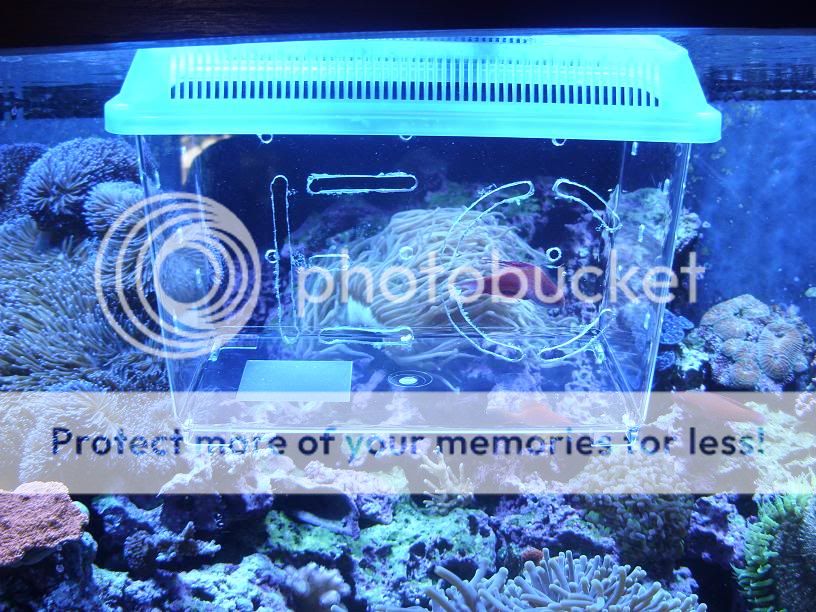
Over the past few months I've purchased six wrasses. I did a great deal of reading and asking questions here. (Thanks to all you fish freaks that helped) The first one I got was a Red Head Solon Fairy Wrasse (Cirrhilabrus solorensis). It did great until I purchased a pair of Bluehead Fairy Wrasses (Cirrhilabrus cyanopleura). The male Bluehead killed the Solon wrasse. Removed the Bluehead and purchased a Blue Flasher Wrasse (Paracheilinus lineopunctatus). Then purchased a Filamented Flasher Wrasse (Paracheilinus filamentosus). The Blue flasher tried to kill the Filamented. Moved the Blue flasher to an isolation chamber within the tank for almost a week. Three days after release, aggression returned, and the Filamented wrasse quickly died. Purchased a Longfin Fairy Wrasse (Cirrhilabrus rubriventralis). It harasses the clowns trying to get at their eggs. Now the Blue flasher has turned its aggression towards my female anthias. Two died, one hides all the time, and another constantly runs for its life. Tonight I captured the Blue flasher again, and it will be going to the LFS tomorrow. If I don't feed it to one of my anemones first!:mad2: The remaining two wrasses will be going back to the LFS as soon as I take the time to capture them.

Nothing I read about these fish indicated that they were the wholly terrors they have been in my system. I just wanted to post this to worn people. Evil often comes in beautiful little packages.
 
I have a McCosker's Flasher wrasse with an orange striped goby/pistol combo and a juvenile Dusky Damsel. All get along pretty well (so far) in a 28 gallon nano. The wrasse and damsel actually swim around together darting back and forth.

Maybe try a wrasse with a non-conspecific fish. What I've seen working in the wild doesn't hold up in confined areas.
 
the problem with the solorensis and cyanopleura are closely related and are in a group of a few species that are close so aggression between those is not uncommon rubriventrailis aka long fins are know to be quite aggressive despite thier small size don't let them fool you i have seen them wreck havoc on some big fish..but i try to mix up the sizes and colors of my wrasses and use an acclimation cup to introduce new ones to the tank...i have mixed some that looked alot alike with carefull social acclimation but sometimes they just don't mix.
 
i Had similar problem with fairy wrasses/ Mystery wrasse aggression but i used a tip from an Iphone app called Marine Fishmates and one of the ways it said to reduce fish aggression towards other fish was to put a mirror in front of the glass , this worked in my case as my Mystery wrasse started spending most of his aggression and time against his own reflection rather than at the Flame wrasse pair i had recently introduced.

over time the aggression towards the flame wrasses appears to be diminishing but it may be a few weeks before i can totally remove the small compact mirror.Aquarium size also plays a huge role in the aggression, if fish are too cramped they will often be more aggressive
 
I understand that under the right conditions, some wrasses can be kept together. There just doesn't seem to be much in the literature that describes their dark side.

This is a quote from LiveAquaria. "much of the time Blue Flasher Wrasse prefer schooling in the water column with other wrasse."

This led me, and probably many others, to believe this is a peaceful species. My Blue Flasher killed one wrasse, three anthias, and terrorized another. The only fish that were safe was the female clown and the male Lyretail.

Another quote. "The Bluehead Fairy Wrasse is an ideal fish for the reef aquarium adding both bright coloration and activity to these aquariums. Wrasse of the genus Cirrhilabrus mix well together if they are introduced simultaneously to the tank, and are one of the best groups of fish for a reef tank setting."

This wrasse made short work of another wrasse in my tank. After the death of my fish, I was informed by a member here, that this is an aggressive species, and they just get worse with age.

Another quote from LiveAquaria. "The Longfin Fairy Wrasse is an ideal fish for the reef aquarium adding both bright coloration and activity to these aquariums. Wrasse of the genus Cirrhilabrus mix well together if they are introduced simultaneously to the tank, and are one of the best groups of fish for a reef tank setting."

My longfin terrorizes my clowns, and Wrasseguy2 (above) states that this species is known to be aggressive.

Typically, I wouldn't listen to anything a retailer has to say about something they are trying to sell. LiveAquaria has a reputation that far surpasses most though. I tend to give what they say a little more weight, or at least I did. I read articles about these fish, and no where did I find info suggesting these things were wholly terrors. Had I known how violent these fish were, I never would have put them in my tank.
 
i have a pair of redsea 8 lines, a super super male flame and a blue flasher, i have a little chasing here and there, personally what i have done to help the situation is any new wrasse gets left in a qt box in the tank for atleast a day to let all other fish see and get use to it to a degree, then when lights go out i release the new fish or will do it the following morning before rest wake up
 
I used the mirror tip too to attract the attention of an established cirrhilabrus species wrasse that I had for the longest time in my 120G tank. It worked and the wrasse was always attacking it's own reflection for quite a while. New fishes that was added later were spared the harassment.
 
I keep at least 30 fairy wrasses all together and rarely have issues with aggression resulting in death. Some are more aggressive than others. I always socialize the new wrasses to the group using some type of floating breeder. This allows me to see how everyone reacts to the new guy, also to see how the new guy reacts to the others when they swim up to check him out. I also make it a practice to release them long after the lights go out to avoid the immediate interaction. I have had great success mixing wrasses with each other as well as other fish. Its to bad you have had this experience as fairy wrasses can be awesome fish.
 
I understand that under the right conditions, some wrasses can be kept together. There just doesn't seem to be much in the literature that describes their dark side.

This is a quote from LiveAquaria. "much of the time Blue Flasher Wrasse prefer schooling in the water column with other wrasse."

This led me, and probably many others, to believe this is a peaceful species. My Blue Flasher killed one wrasse, three anthias, and terrorized another. The only fish that were safe was the female clown and the male Lyretail.

Another quote. "The Bluehead Fairy Wrasse is an ideal fish for the reef aquarium adding both bright coloration and activity to these aquariums. Wrasse of the genus Cirrhilabrus mix well together if they are introduced simultaneously to the tank, and are one of the best groups of fish for a reef tank setting."

This wrasse made short work of another wrasse in my tank. After the death of my fish, I was informed by a member here, that this is an aggressive species, and they just get worse with age.

Another quote from LiveAquaria. "The Longfin Fairy Wrasse is an ideal fish for the reef aquarium adding both bright coloration and activity to these aquariums. Wrasse of the genus Cirrhilabrus mix well together if they are introduced simultaneously to the tank, and are one of the best groups of fish for a reef tank setting."

My longfin terrorizes my clowns, and Wrasseguy2 (above) states that this species is known to be aggressive.

Typically, I wouldn't listen to anything a retailer has to say about something they are trying to sell. LiveAquaria has a reputation that far surpasses most though. I tend to give what they say a little more weight, or at least I did. I read articles about these fish, and no where did I find info suggesting these things were wholly terrors. Had I known how violent these fish were, I never would have put them in my tank.

I'm trying to get my tiny flasher wrasse out of my tank. If sucessful, I think it's going to the LFS.

Don't think it's worth the hassle.
 
I always socialize the new wrasses to the group using some type of floating breeder.

I tried this as well. I kept the blue flasher in an isolation chamber for almost a week. Things seemed to be going well for a few days after I released it. Then it went on a murderous rampages. It is a shame though. I took it to my LFS last night, and it was the best looking fish in the whole store. To bad it's evil.

acclimationchamber002edited.jpg
 
Indeed mixing wrasse could get tricky. My first wrasse was a labouti fairy wrasse and I had it in the tank for almost 3 months before I caught the wrasse addiction. I purchased a pair of pylei wrasse and they're supposed to be more aggressive than the labouti.

Had the pylei's in the social chamber for 3 days and things looked quite good until I released the pylei. (I released them after lights out) The labouti was on the pylei's pair non-stop for days.. I had to put mirrors up all around the tank, printed pictures of the labouti from the internet and taped them everywhere around the tank, rearranged the rocks, turned lights off for 24 hours multiple times. It took 2 weeks before the aggression subsides and my pylei pair was skinny and fins were all torn.

Fast forward another 3 months, the pylei's are now settled in and I thought I was going to loose them but it was impossible to take them out of the tank. Next time if I'm going to add another fairy wrasse, I would keep them in the social chamber for 2+ weeks until the others pay NO attention to them.

Steven
 
I tried this as well. I kept the blue flasher in an isolation chamber for almost a week. Things seemed to be going well for a few days after I released it. Then it went on a murderous rampages. It is a shame though. I took it to my LFS last night, and it was the best looking fish in the whole store. To bad it's evil.

Thats a bummer. Next week someone will post a pic of the fish and tell us how great it is and how it gets along with all of his wrasses :lol2: Maybe try a Hawaiian Flame wrasse pair all of mine have been very laid back.
 
I keep at least 30 fairy wrasses all together and rarely have issues with aggression resulting in death. Some are more aggressive than others. I always socialize the new wrasses to the group using some type of floating breeder. This allows me to see how everyone reacts to the new guy, also to see how the new guy reacts to the others when they swim up to check him out. I also make it a practice to release them long after the lights go out to avoid the immediate interaction. I have had great success mixing wrasses with each other as well as other fish. Its to bad you have had this experience as fairy wrasses can be awesome fish.

i agree. i dont have 30 yet but im on my way there :D 7 wrasse and counting. i use the acclimation box as well but i always read and learn which species mix better and which dont. i wouldnt give up, your 200 will have plenty of room for many wrasse just make your list and pick wisely. i have also had personal experience with several types of wrasse over the years until now. good luck.
 
I have a blue head. Flasher and put him in the tank yesterday and now I can't find him do you think he is hiding in the sand. I am fairly new to salt so any answers would help
 
I have a blue head. Flasher and put him in the tank yesterday and now I can't find him do you think he is hiding in the sand. I am fairly new to salt so any answers would help

No, flasher wrasses do not bury in the sand. Do you have any other wrasses in the tank? Did any new fish show interest in him? Perhaps he is scared and hiding in the rock work. Is your tank completely covered, as these fish are notorious jumpers?
 
I started my 120g with a pair of Lineatus wrasse and then added a pair of Hooded wrasse, later added a male Lubbock wrasse and finally a male Exquisite wrasse. All introduced with an acclimation box. The Hooded pair are the only ones that flash against the box for a day or so. So far no real aggression between all of them. I feed them 4-5 times a day, small amounts each time
 
Back
Top