
You are using an out of date browser. It may not display this or other websites correctly.
You should upgrade or use an alternative browser.
You should upgrade or use an alternative browser.
My 300 gallon turf scrubber system
- Thread starter n-kleine
- Start date
My o2 is now at 8. I will probably run the scrubber later on with led lighting. I will need to heavily stock to feed the screen and skimmer. Right now the tank looks better than it ever has. Polyp extension has increased. I will start restocking next weekend. I will start a screen when I start seeing phosphate issues. The new skimmer is providing all the o2 I need and is pulling out some really nasty stuff.
I am very interested in this thread. As someone who has tested many water habitats over the years , the information you have gave us is perhaps incomplete or maybe misunderstood. In brief the oxygen numbers never got low enough to be deadly , it would also take a large amount of organics to hurt the fish it would show itself in other forms first. Algae growth will add to your over all DO . High temps will lower your DO but again you was not at a deadly level . I have recorded many time with fish alive down lower. You also mention that it makes a massive dump surge? That also is a large amount of
oxygen being added to the body of water. I would suspect the test are accurate but maybe read buy a guy who isnt familiar with how these numbers impact aquaria? This is only my interpertation from what I have read. The fun part of this hobby is that there would appear to be many ways to make it work, all can be wrong and right at the same time. I am adding a link to maybe make what I am trying to say a little more clear.
Dissolved oxygen is the volume of oxygen that is contained in water. Oxygen naturally dissolves into water by contact with the air. This is called reaeration. The amount of oxygen that stays dissolved in water is dependent upon temperature, salinity and pressure. (1) Colder water holds more oxygen than warm water, fresh water holds more oxygen than salt water and water under greater pressure holds more oxygen than water under less pressure. When water is holding its maximum amount of oxygen based on its temperature, salinity and pressure, it is saturated. (2)
Dissolved oxygen is important to all aqua environments. Most aquatic organisms require oxygen and extract oxygen from the water in which they live. There are many varieties of species that live in water habitats from bacteria and amoebas to algae and fish. Some are tolerant to fluctuations in dissolved oxygen levels and others are more sensitive to these fluctuations. The recommended DO level for fish is between 5.0 mg/L and 9.0 mg/L. If the DO level drops below 3.0 mg/L, fish will be stresses and many may die from lack of oxygen. If the DO level rises very high above 9.0 mg/L, it can cause gas bubble disease which can also be fatal to the fish. (3)
Oxygen can be affected by algae growth. Algae grow and produce food through the process of photosynthesis. In order to photosynthesize algae need sunlight, nutrients, carbon dioxide and slight amounts of oxygen. Although some oxygen is needed for photosynthesis, oxygen is the main byproduct of photosynthesis. (4)
Excess nutrients in aquatic habitats can cause problems with excess algae growth. Sources of nutrients can be runoff from agricultural fertilizers, discharges from industry, waste treatment plants and faulty sewage systems in older homes near shorelines. (5)
Things that cause dissolved oxygen loss:
1. Increased temperature which causes stratification.
As water temperatures increase, the density of water decreases. The warm water remains at the surface while the denser, cooler water sinks to the bottom creating several stratified layers of water. During summer when this process occurs the deeper layers of water will contain more dissolved oxygen because colder water holds more oxygen than warmer water.
2. Plant respiration decreases.
If there is not adequate plant life to produce the needed levels of oxygen, problems will ensue. For example, a pond overgrown with algae will not allow sunlight to reach the plant life
3. Fish respiration increases.
Fish require oxygen to live. Low levels of dissolved oxygen can cause respiratory problems for fish and other aquatic life. Overpopulation of fish causes a decrease in available oxygen.
4. Decomposition of organic matter by microbes.
Microbes play a key role in the loss of oxygen from surface waters. They use oxygen as energy to break down organic molecules. As microbes break down the organic molecules, oxygen is removed from the water. If high levels of organic matter are present in water, microbes may use all available oxygen.
oxygen being added to the body of water. I would suspect the test are accurate but maybe read buy a guy who isnt familiar with how these numbers impact aquaria? This is only my interpertation from what I have read. The fun part of this hobby is that there would appear to be many ways to make it work, all can be wrong and right at the same time. I am adding a link to maybe make what I am trying to say a little more clear.
Dissolved oxygen is the volume of oxygen that is contained in water. Oxygen naturally dissolves into water by contact with the air. This is called reaeration. The amount of oxygen that stays dissolved in water is dependent upon temperature, salinity and pressure. (1) Colder water holds more oxygen than warm water, fresh water holds more oxygen than salt water and water under greater pressure holds more oxygen than water under less pressure. When water is holding its maximum amount of oxygen based on its temperature, salinity and pressure, it is saturated. (2)
Dissolved oxygen is important to all aqua environments. Most aquatic organisms require oxygen and extract oxygen from the water in which they live. There are many varieties of species that live in water habitats from bacteria and amoebas to algae and fish. Some are tolerant to fluctuations in dissolved oxygen levels and others are more sensitive to these fluctuations. The recommended DO level for fish is between 5.0 mg/L and 9.0 mg/L. If the DO level drops below 3.0 mg/L, fish will be stresses and many may die from lack of oxygen. If the DO level rises very high above 9.0 mg/L, it can cause gas bubble disease which can also be fatal to the fish. (3)
Oxygen can be affected by algae growth. Algae grow and produce food through the process of photosynthesis. In order to photosynthesize algae need sunlight, nutrients, carbon dioxide and slight amounts of oxygen. Although some oxygen is needed for photosynthesis, oxygen is the main byproduct of photosynthesis. (4)
Excess nutrients in aquatic habitats can cause problems with excess algae growth. Sources of nutrients can be runoff from agricultural fertilizers, discharges from industry, waste treatment plants and faulty sewage systems in older homes near shorelines. (5)
Things that cause dissolved oxygen loss:
1. Increased temperature which causes stratification.
As water temperatures increase, the density of water decreases. The warm water remains at the surface while the denser, cooler water sinks to the bottom creating several stratified layers of water. During summer when this process occurs the deeper layers of water will contain more dissolved oxygen because colder water holds more oxygen than warmer water.
2. Plant respiration decreases.
If there is not adequate plant life to produce the needed levels of oxygen, problems will ensue. For example, a pond overgrown with algae will not allow sunlight to reach the plant life
3. Fish respiration increases.
Fish require oxygen to live. Low levels of dissolved oxygen can cause respiratory problems for fish and other aquatic life. Overpopulation of fish causes a decrease in available oxygen.
4. Decomposition of organic matter by microbes.
Microbes play a key role in the loss of oxygen from surface waters. They use oxygen as energy to break down organic molecules. As microbes break down the organic molecules, oxygen is removed from the water. If high levels of organic matter are present in water, microbes may use all available oxygen.
That is great information. Thank you. The fourth cause is what we were concerned with as well because the sand bed was changing color an gas was forming. Also you could smell a slight sulfur smell until I added the air pump. Not saying DO was the cause but it was a contributing factor. My large fish died first and acted like they were gasping for air. We did a scraping of gills and found no sign of parasite
Probably a combination of things led to this.
Probably a combination of things led to this.
Modifications Complete
Modifications Complete
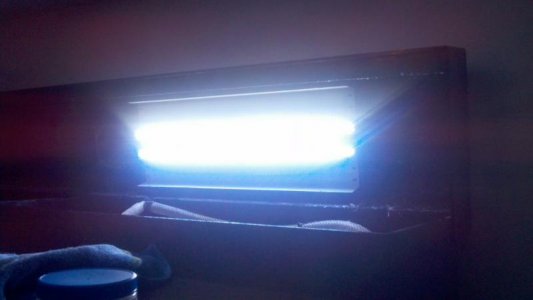
Scrubber back online with new sump and Alpha 170 skimmer. LED lighting with a 24" Current True Lumen Pro. New seed screen should take off soon.
Modifications Complete
Scrubber back online with new sump and Alpha 170 skimmer. LED lighting with a 24" Current True Lumen Pro. New seed screen should take off soon.
Attachments
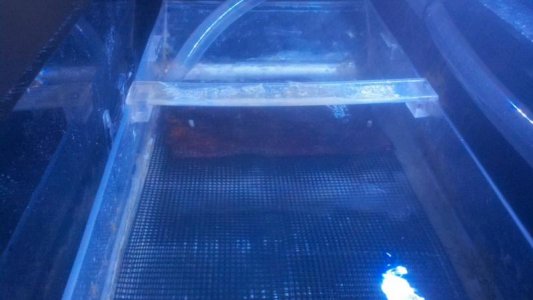
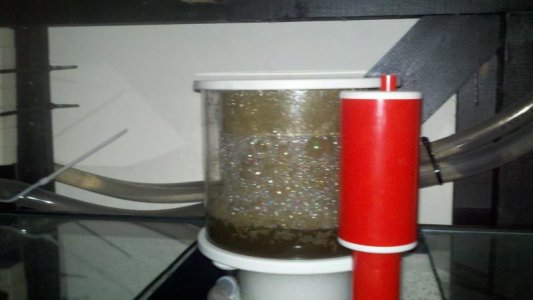
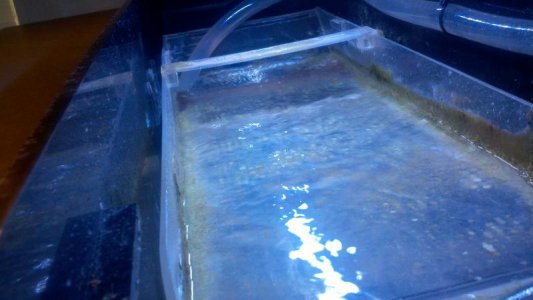
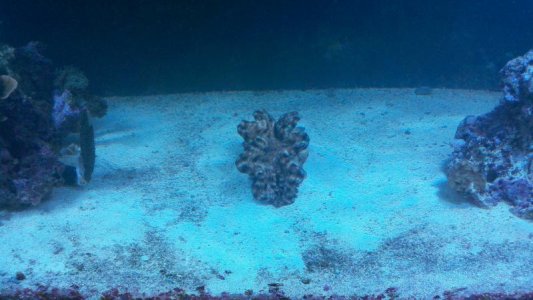
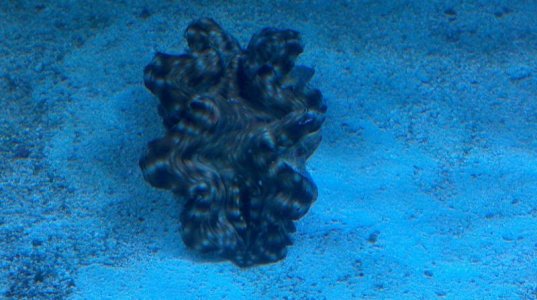
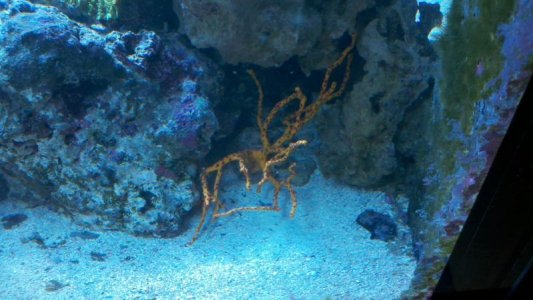
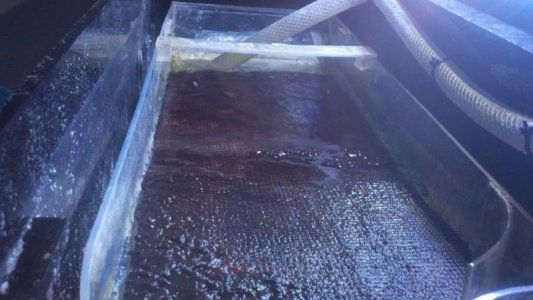
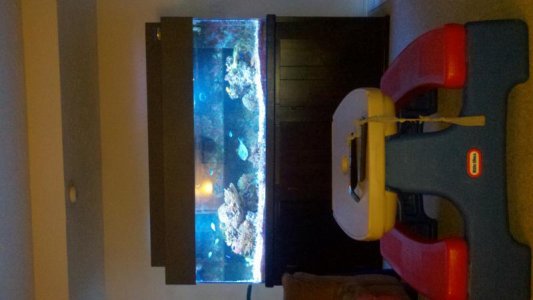
Yeah things are so so. I still need to sell it but the original tank began to bow badly. I never hated a scrubber. I just never ran into those issues with a skimmer system. I will never know what truly happened. So far this system is much more stable.
I know it's been a year since anyone posted in this thread, but do you have any updates? I assume that since it began to bow badly you must have taken it down. I would think that since the tank was only about a year old that Inland Aquatics would have stood by their product & fixed/replaced it for you. Did they?

dotcommer
Active member
Any updates on the Inland Turf Algae Scrubber? I watched the youtube video of their facility and the owner talking about their turf scrubbers and how amazing they are. I started searching about turf/algae scrubbers since their was a banner on RC about the newly released Surf 4 floating algae scrubber. No sure how well it works compared to the inland. It seems like the inland has a lot more surface area.
Would love to hear from people using algae scrubbers.
Would love to hear from people using algae scrubbers.

Heavy Hittah
New member
How much

Reefski's
Active member
Similar threads
- Replies
- 2
- Views
- 604


- Replies
- 4
- Views
- 3K
