New camera, dirty glass

BobthePhotoGuy

New member
Got new camera. Grabbed the extension tubes and grabbed a couple of quick handheld shots.

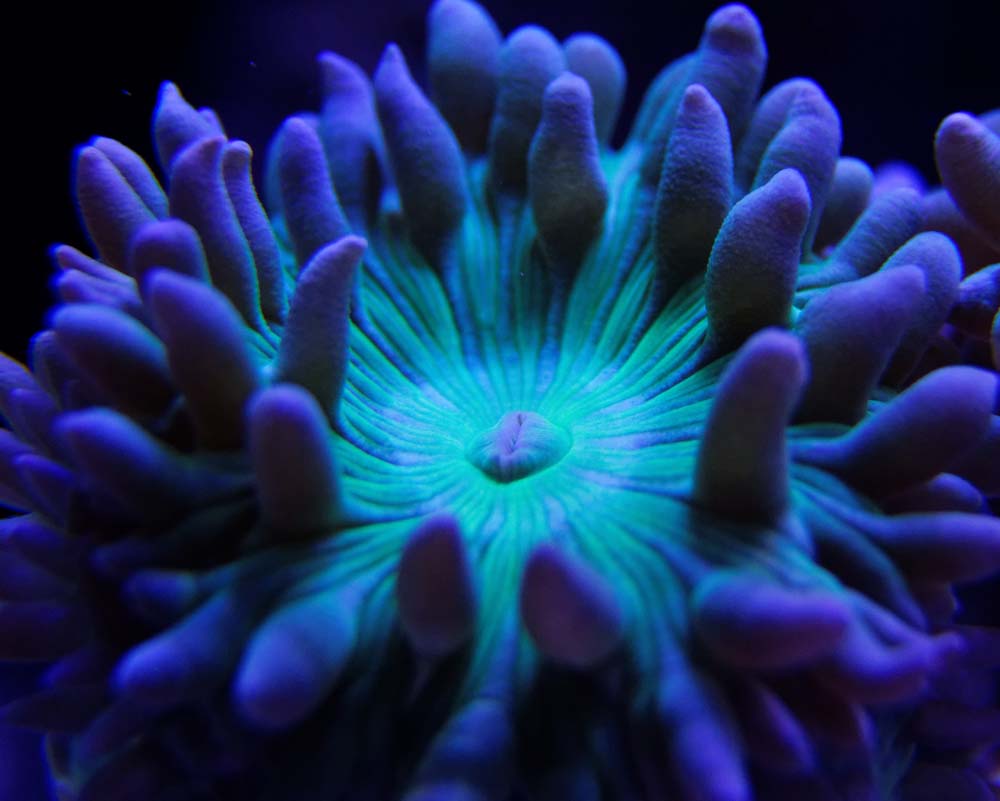
Rainbow Bubble Tip
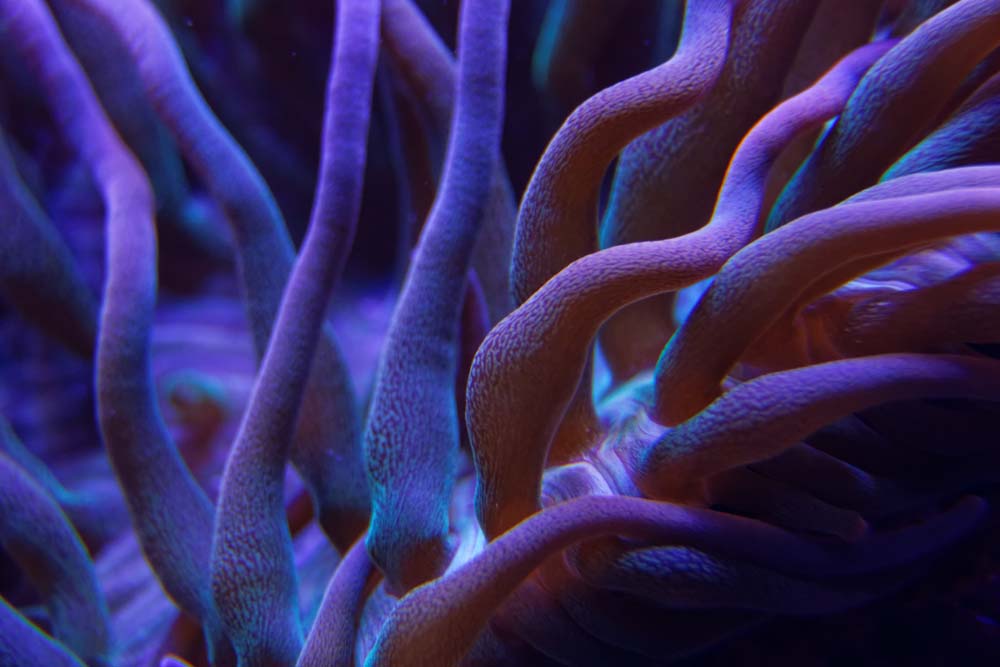
IMG_0088_DxO.jpg


Duncan
IMG_0079_DxO.jpg


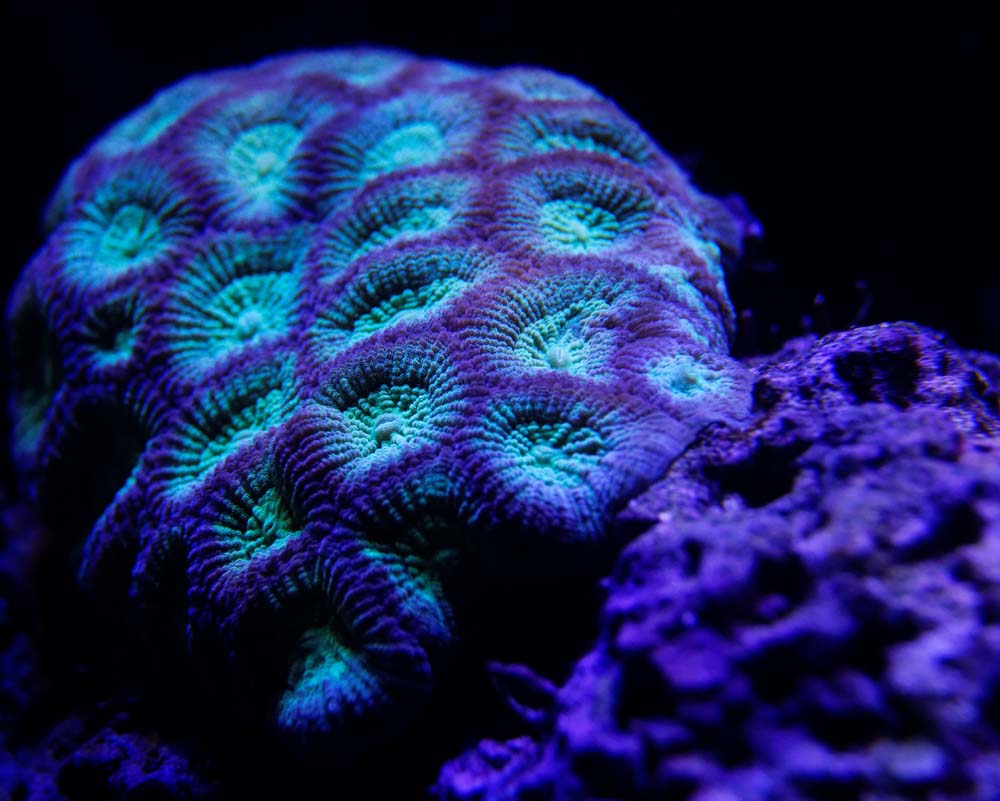
Favia
IMG_0080_DxO.jpg


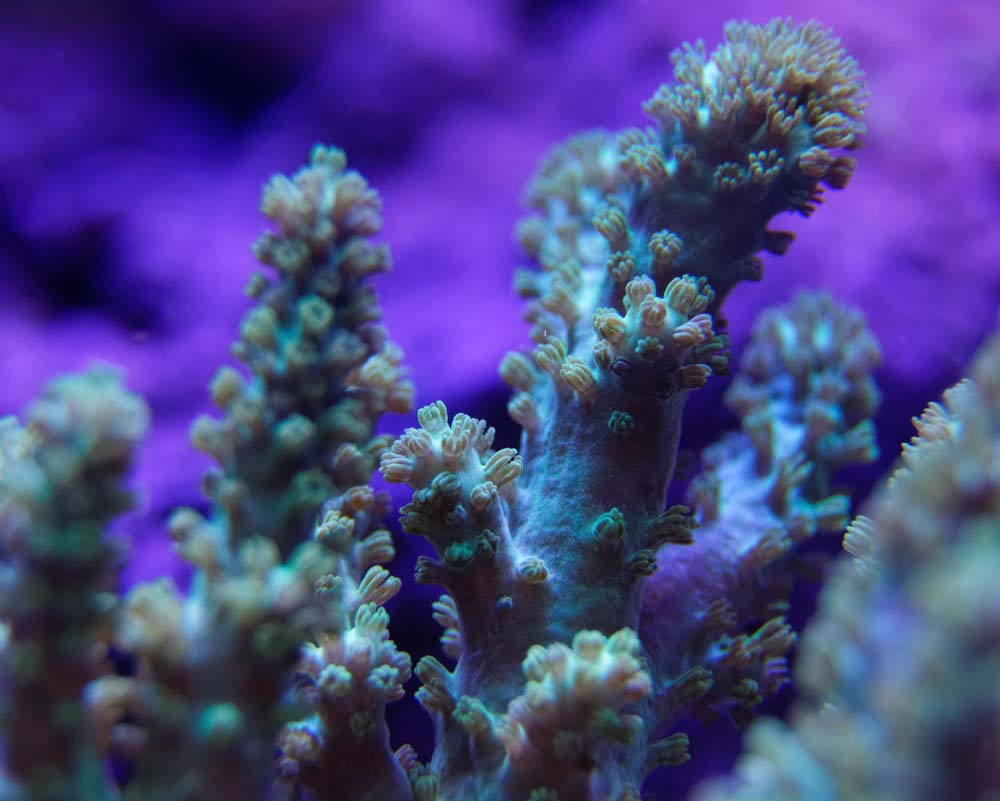
Oops, forgot name of this one
IMG_0087_DxO.jpg


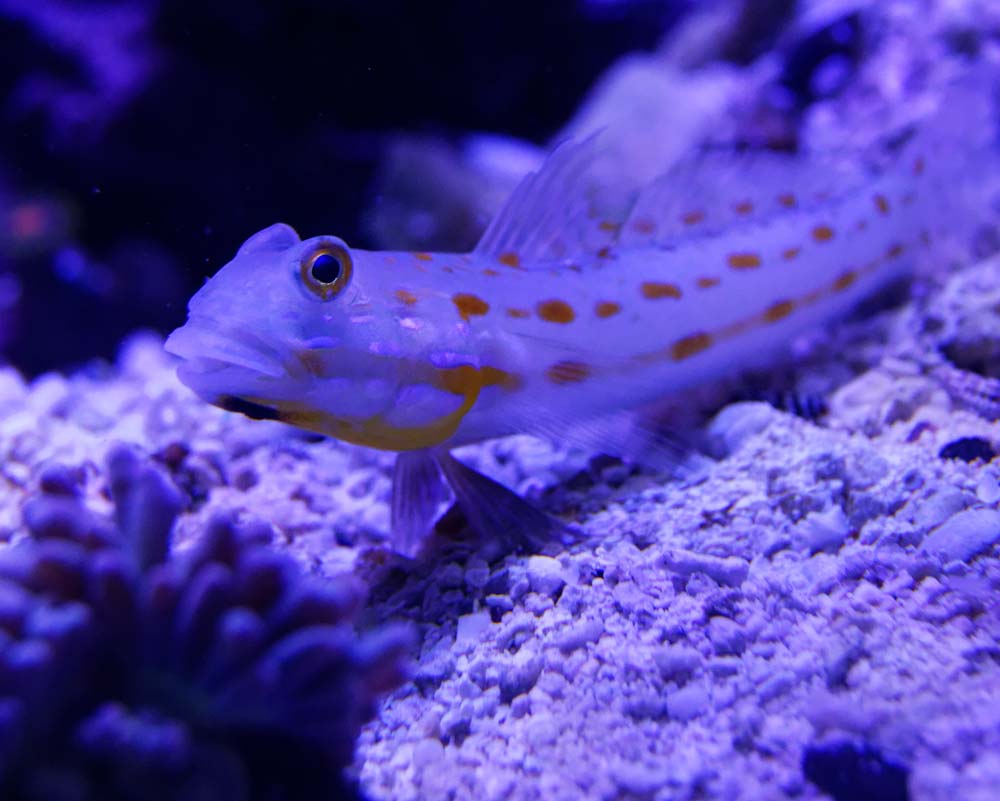
Diamond Head Goby
IMG_0084_DxO.jpg
 
bob, i have a sony nex 5 and have been stuck on what lens to get for macro. sony only offers a 30mm macro in the e mount. would i be better off using extension tubes with my 18-55mm kit lens or buying an adapter so i can use something like the sony alpha/minolta lenses?
 
NEX series are great! I have an NEX 7. The cool, crazy thing is you can get adapters to mount pretty much any lens! You can buy old manual focus lenses for cheap ($20) and buy an adapter for $10.

I would say your best bet would be to get a Pentax, Canon, Nikon, etc lens and adapter. Get extension tubes, they will bring the focus in more but they do reduce the light to the camera and unless the lens is a good sharp lens the image may not be tack sharp.

It takes more work this way but you can still get some nice shots.

And use a tripod!

Bob
 
is there any particular model of old manual focus lenses that are cheap that i should keep a look out for? my dad gave me some old minolta AF lenses (which are the same mount as the sony alpha line) but i haven gotten around to buying the adapter. and yes i agree, a tripod is a must.
 
Minolta made some good stuff. Give them a try!

I have played with old Leica lenses Great lenses, they have their own feel but they are not good for macro stuff. Go for primes over zooms (Prime lenses are almost always sharper). Stick with Canon, Pentax/Asahi, Nikon and Minolta stuff.

Look for about 100mm f2.8 and get some extension tubes. Shoot at f5.6 to f16 for best sharpness.
 
awesome, thanks for making some sense of all this lens craziness. one last question, what is an aspherical (IF) macro? and i am assuming a canon EOS mount, and nikon DX are the most popular mounts?
 
An Aspherical lens has at least one aspherical lens element. These elements have one surface that is not based on a spherical curve, this is done to reduce aberrations and replaces a group of elements in a normal lens.

Typically Aspherical lenses are used to reduce weight by reducing the number of lens elements. They are used more in consumer lenses and aren't seen that often in pro glass.

Bob
 
Back
Top