Protect your life from electric shock

2smokes

In Memoriam
This is how to protect your aquarium critters and even your life or your family from electrocution.Its well known that salt water is a good conductor of electricity.The risk of failure rise with the ammount of electric devices you use.More pumps ,heater and soo on increase the risk.NEVER TRUST INTO THE GROUND WIRE!The grounding is just a bad joke to be taken seriously now a days because almost all aquarium heaters and pumps dont have a grounding wire,just 2 wires.What you can do to save your life or the aquarium in case of an electric failure is to install an RCD device or RCBO that will shut down the power in case of a failure.These are the devices normally used on swimming pools or on jacuzzi bath tubs where the risk of electric shock is high.Somme people mount these residual current devices only for theyr bathroom but i prefered to buy a more powerfull device thats suited to protect all my house.They usually come in 2 sizes of sensivity 10 mAh and 30mAh.The most sensitive ,the 10 mAH is what you want if you have an aquarium.The 30 mAh is good too but in case there is a failure lets say of 29 mAH and you are with your hand in the aqurium you will freeze there unable to move and the circuit breaker device will not shut off.You can check yoursel if you have installed a residual circuit breaker by looking at the electric pannel .All RCDs have a button with the ,,T,,letter on them wich means ,,test,, and that button should be pressed once a month to be sure the device is armed .With a 10 mAh RCD(residual current device) you wont have to worry too much about an electric shock and it will even protect you home from fire that could be caused by a short circuit.Remember,if you dont have ,,T,, letter on any of the circuit breakers in your house then you dont have an RCD.For installing you can call an electrician to install it. This video explains better than me . https://www.youtube.com/watch?v=uoG_75NkHeE
 
Last edited:
This is how the RCD looks like.Note the blu ,,T,, button.
residual-current-device-circuit-breaker-l-a2b65f70d03898ca_zpsgx2pqy28.jpg
And these are somme electric plugs.Somme have 3 wires(one is for grounding) and the otthers have just 2 wich means there is no grounding.Most of the aquarium pumps ive buyed and heaters had only 2 wire and no grounding.This makes them dangerous to use especially in saltwater. But with the use of an RCD device you will not need grounding to be safe because the device shuts off the electricity when even small amount of current is leaking.
receptacles_zpsdxluaowq.jpg
 
This seems to do the same thing as a gfci correct?

Yea.It is known under manny names like RCD,RCBO,GFCI and otther names.They all measure what current goes in and what goes out.If it detects that more current has got in and it didnt come back it will close the circuit.Somme of these devices are mounted directly on the sockets but best approach is to have them installed in the electric pannel so it can protect the whoole house not just a socket in a room or a bathroom only(like the ones that are mounted for jacuzzi bath tubs).With the protection of this device you cant die by electroshock even if you are barefeet in saltwater and keeping the live electric wires in hand.This is a device that could save manny lives but sadly only just 20 percent of the homes in well developed countryes have these.
 
A better explained scheme on how these RCD ,RCBO devices work.They say they shut off at between 20 and 50 mAh but for wet enviroments you really want a more sensitive one like mein ,10 mAh.
rcd_and_circuit_breaker_explained_min.png
 
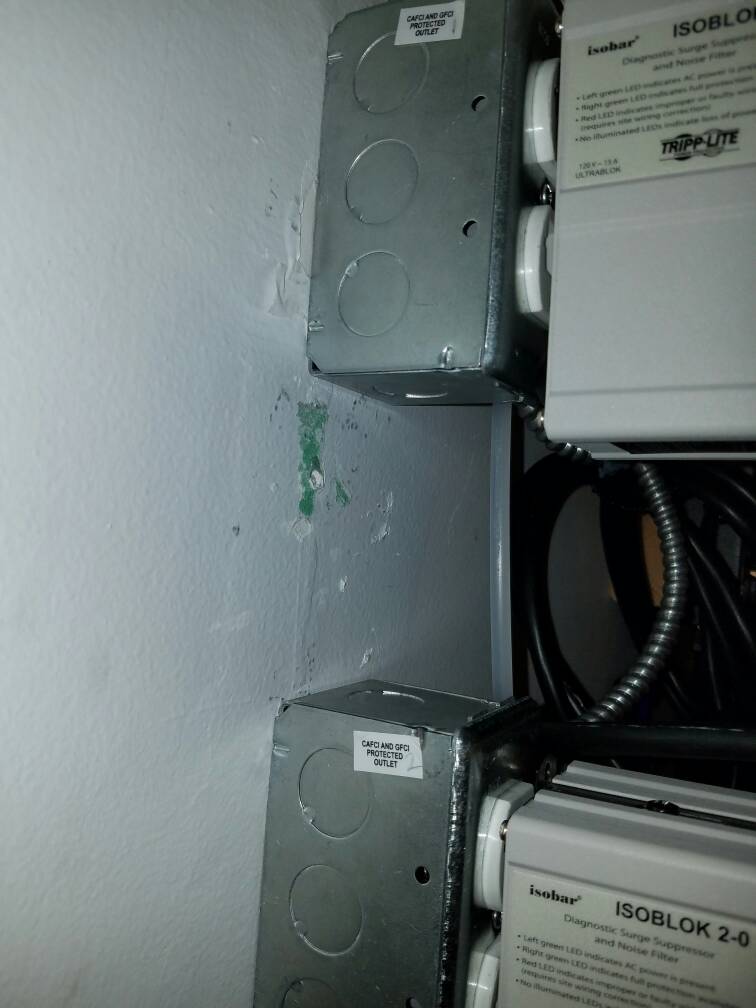
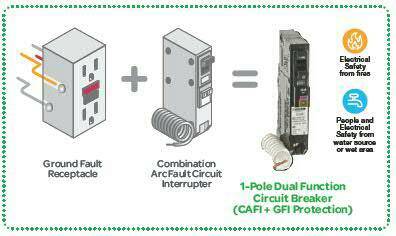
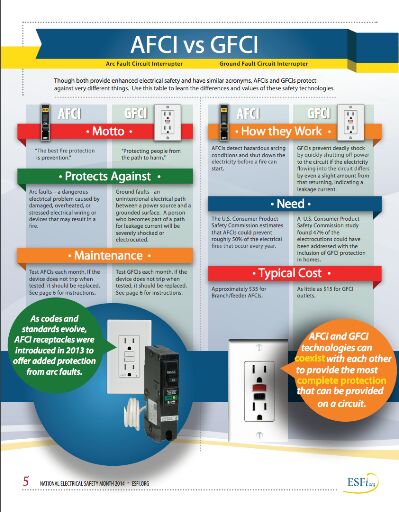
I would also suggest a CACFI along with GFCI

CAFCI will help protect your house from fire
GFCI will help protect you from electrocution

00decdb99afb5c82c4057529171e2b6e.jpg


681a4d90b06f2d1ef97c14e6e5c6a23d.jpg


And a good surge protector will help protect your equipment.

Individual one shown above. Tripplite makes some good ones.

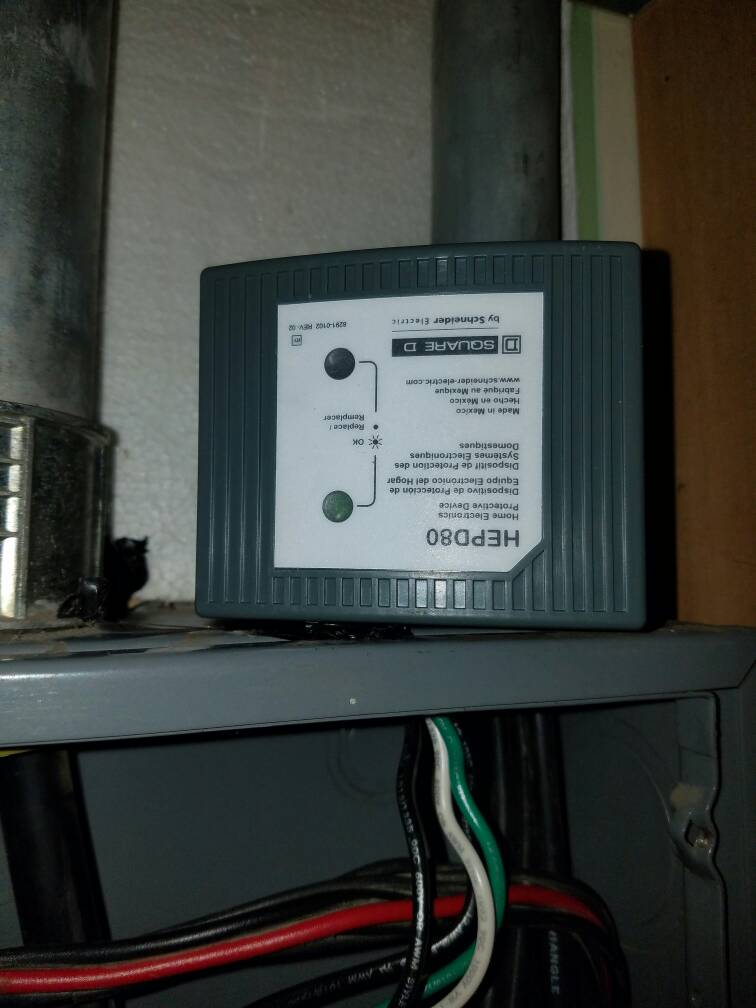
Plus a whole home. None last forever and will need replaced eventually based on how many surges and intensity of surges they've been hit by. Surges can come from outside your home, not just lightening strikes, and from inside the home.

Eaton Ultra and SquareD hepd80 are a couple good whole home surge protectors.
bf6fbd03b4b04f1ed0673892ebef727a.jpg


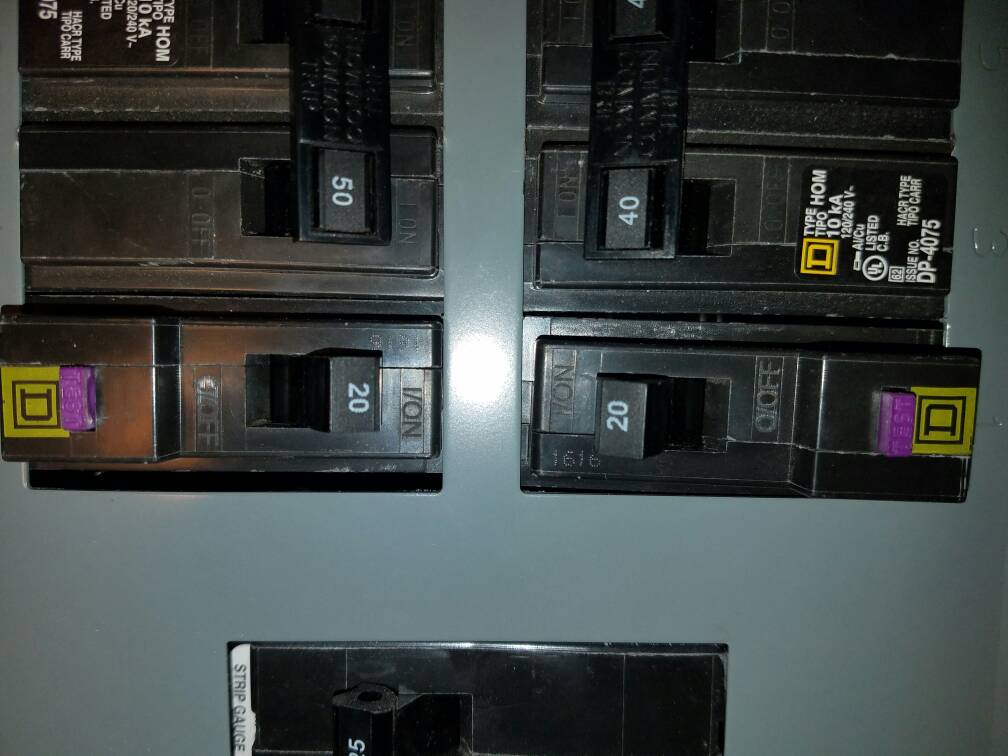
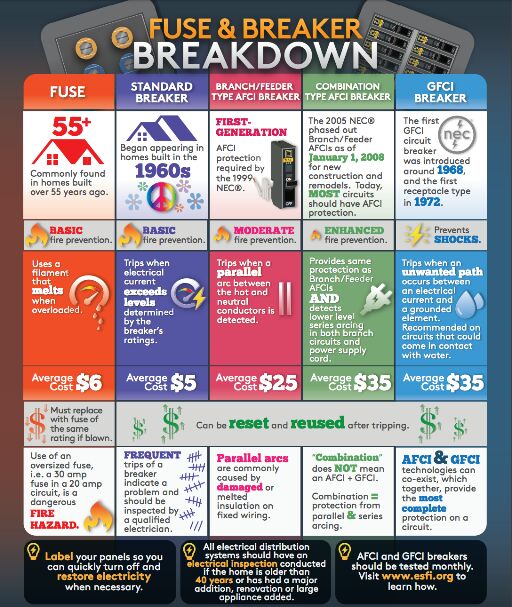
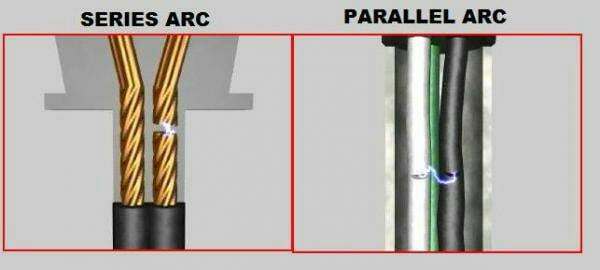
Plus having more then one circuit with life support spread across them. I have two additional circuits then what's pictured above to my main tank on the first floor with GFCI at the receptacles so its easier to reset them if tripped. Then the two shown in the picture above go to my basement sump with the GFCI at the breaker. Along with being a CAFCI. There are also AFCI breakers but don't protect against as many arc faults as a CAFCI.

And don't get confused by combination AFCI (CAFCI). That doesn't mean it combines GFCI with it. The packaging has to specify GFCI as well to support both CAFCI and GFCI. Sometimes called dual.


bd9ca223039632f97a210b17a4d007cc.jpg
 
Last edited:
Rdc is a European term and GFCi is US

Thx.Verry well explained for the american readers.Here everybody has an RCD allready mounted by the electric supplyer but that RCD they mount its like 300 mAh so even if its an RCD(or GFCI in american terms) it wont protect human life because humans start to die at 50 mAh.If a human gets shocked with 30 mAh then it will not be able to moove from the danger area .Thats why in wet places like bathrooms 10 mA RCD-GFCI is recomended because somme without being able to moove might get drowned if they get shocked in a bath tub full of water.10 mAh trips before the 30 mAh or lets say if the current in the bath tub is 9 mAh and the 10 mAh dont trip, the person in the bath tub can still get out of the water.A chart about this will explain better.
SB_GF_Electric_Shock.jpg
EDIT ;Its mA not mAh .I writed badly because lately ive worked too much on the motorcycle battery charging system and the mAh term just dont want to get out of my brain :).
 
Last edited:
FYI to get a UL Listing today for GFCI's they have to be self testing, so need to monthly test. Legrand/Cooper makes one that has an alarm so you hear it when it trips. PSec grade trip at 4 to 6 MA, but hospital grade trip at 5 MA just like breakers
 
Going to throw this out there for validation...

GFCI are very effective but if you have say a light ballast, it's isolated from the GFCI and hence you aren't fully protected. If you drop the light into the water the GFCI won't trip as it's the ballast side that has the short not the GFCI side. That is my understanding anyway based on my readings! Please correct if wrong!

Bottom line - becareful with all power around water regardless of how protected you think it is! It can be complex depending on our gear.
 
Going to throw this out there for validation...

GFCI are very effective but if you have say a light ballast, it's isolated from the GFCI and hence you aren't fully protected. If you drop the light into the water the GFCI won't trip as it's the ballast side that has the short not the GFCI side. That is my understanding anyway based on my readings! Please correct if wrong!

Bottom line - becareful with all power around water regardless of how protected you think it is! It can be complex depending on our gear.
It wont protect you from the current that gets out of the ballast but neyther will the ballast could kill you.Being shocked by a ballast is like being shocked by a taser, painfull but not life threatening.There might be somme life threatening ballasts too that could kill a human but most of them are harmless.
 
Back
Top