Anthias stocking question

ilikefish34

New member
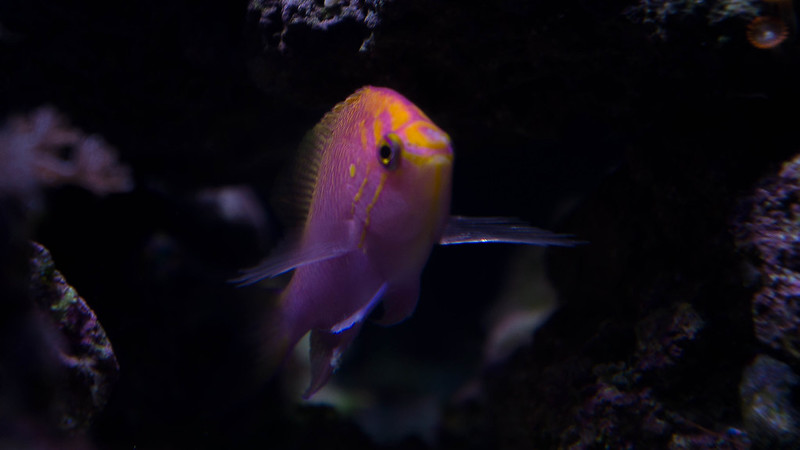
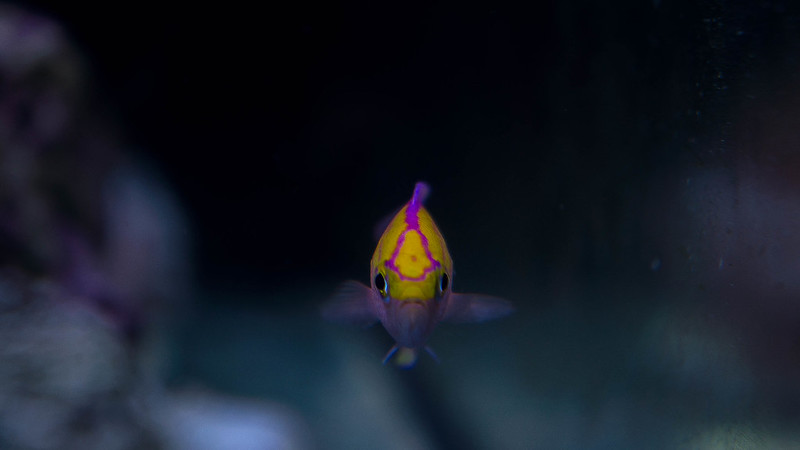
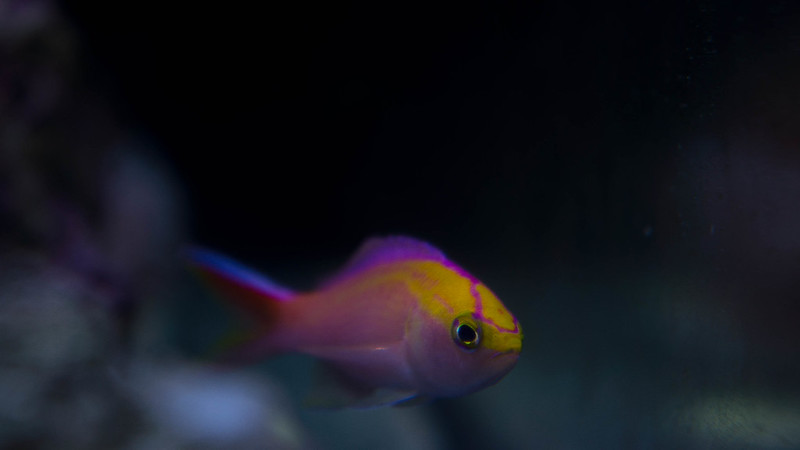
I will be setting up my 210 pretty soon now and want to add a harem of Anthias. There will be a refugium an auto feeder along with twice day feedings or frozen to make sure these fish get the diet they need, good flow to the DT and the system has an oversized EM 300 skimmer (rated for 340 gallons). The ones being considered are Bartlett's, Dispar, Ignitus and Lyretail Anthias and would prefer mixing species. Regardless of which Anthias I choose, they will most likely all be females and let them decide who the dominant male will be. The will all go through a QT process before entering the DT. Also, I plan on having a few Fairy Wrasses and Flashers and am wondering which should be introduced first. I've read that the Bartlett's and the Lyretails can be a bit aggressive towards others in the water column while the Dispar and Ignitus are less so. I'm also a fan of the Carberryi but know little about them. I also like the Evansi Anthias but have heard they are as difficult as the Tukas and will be staying away from them.

Would I be correct in adding the less aggressive anthias and/or wrasses first and follow those up with the more aggressive anthias at a later time?... The wrasses on the wish list are McCosker's Flasher, Blue Flasher, Flame Flasher, Longfin Fairy, Orange-back Fairy and Red-Head Solon Flasher. Leopards eventually, but not until the tank is further established.

I've seen several Anthias (Lyretail, Pink Square and Dispar) that have lost their color in captivity... Is this common to certain species or is this related to lighting, diet and nutrition and/or water quality?

What is the expected longevity of Anthias under optimal conditions?

Any opinion of order, compatibility issues, experiences, advice and thoughts as well as suggestions of other species are welcome and appreciated.
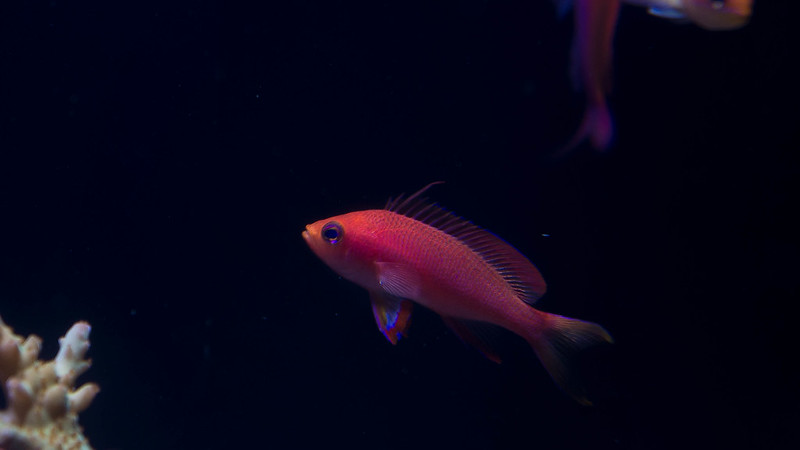
 
I have had experience keeping both Lyretails and Bartletts and would recommend both. Personally I've been more successful with the latter, but they are also a bit more aggressive. I'm not much of a proponent of adding fish in any particular order, just use an acclimation box.
 
I have had experience keeping both Lyretails and Bartletts and would recommend both. Personally I've been more successful with the latter, but they are also a bit more aggressive. I'm not much of a proponent of adding fish in any particular order, just use an acclimation box.

Thanks ca1ore, I did forget to mention that I'll be using an acclimation box. Did you mix them or have them at different times? And could you please elaborate about "more successful"? What was your benchmark for success (time you had them) and, in your experience, what factors to believe led to the Bartlett's doing better than the Lyretail?

Thanks
Mike
 
Bartletts and lyretails will dominate the tank. So its better to put the more passive species in first. I can suggest other anthias such as sunset, randalls, or Sunburst. Here are some images of the ones I had:

Male Randall
9969677434_6534f19c67_c.jpg


Fathead Sunburst
9969676924_e03433fe8e_c.jpg


Sunset
9969786153_77856fdf0e_c.jpg

9969722236_486fe69df7_c.jpg


Also, to color them up I would suggest feeding them at least 3 times a day with assorted foods. I normally fed fish eggs, mysis shrimp, frozen cyclops, and New Life Spectrum Pellets.
 
Thank you Marquise... I do plan on having a fairly high fish load, are any of the Anthias that you have suggested be of concern when in terms of competing for food?
 
Nope. They all were passive towards each other. I feed them all equally so never really had a species to be aggressive towards another. The key is a mix blend of food so that the anthias choose what they wanted most and go after it. That's my theory on that.
 
I'm a big fan of mixing a lot of the more passive anthias together. I've had such bad experiences with aggressive lyretails (well, actually just one really bad one that scarred me for life), that I will never go that route again. I have never tried bartletts because of the "will eventually all turn male" stories that I have read. I personally don't have any experience.

But from the experience that I've had, the easiest to mix have been ignitus and dispar. Once I got a good regimen going of feeding regularly (12-20 squirts of a mix of masago, nutramar ova, mysis, and spirulina brine shrimp from 6p-12p), I added more difficult to keep anthias such as evansi, purple queens, and most recently sunset anthias.

Here's my collection that I've been adding to my 140g tank (around ~6 at a time) since January of this year.


I keep nitrates and phosphates in check by doing 20% water changes 5 times a month.
 
Thank you jadette for sharing your experiences and for showing the potential of this hobby with such an amazing looking aquarium.

Couple quick questions... When you say "squirts" are you referring to a doser as an auto feeder or are you doing it manually with a pipette in that 6-12 time period? Also, how much flow do you have running through your system?

Great tank and I wish you continued success!
Mike
 
Last edited:
I'm going to put about 30 anthias in my 400 and mix species as well. I've had many species and the one I personally don't like is bartletts. They are way too aggressive and they were always the one that chased all the others around. I understand they are fighting for dominance, but bartletts are just mean and I won't do them anymore. Lyretails are aggressive too, but not as bad.
 
Excellent comments and advice.

I'm a big fan of mixing a lot of the more passive anthias together. I've had such bad experiences with aggressive lyretails (well, actually just one really bad one that scarred me for life), that I will never go that route again. I have never tried bartletts because of the "will eventually all turn male" stories that I have read. I personally don't have any experience.

But from the experience that I've had, the easiest to mix have been ignitus and dispar. Once I got a good regimen going of feeding regularly (12-20 squirts of a mix of masago, nutramar ova, mysis, and spirulina brine shrimp from 6p-12p), I added more difficult to keep anthias such as evansi, purple queens, and most recently sunset anthias.

Here's my collection that I've been adding to my 140g tank (around ~6 at a time) since January of this year.


I keep nitrates and phosphates in check by doing 20% water changes 5 times a month.
 
Thank you jadette for sharing your experiences and for showing the potential of this hobby with such an amazing looking aquarium.

Couple quick questions... When you say "squirts" are you referring to a doser as an auto feeder or are you doing it manually with a pipette in that 6-12 time period? Also, how much flow do you have running through your system?

Great tank and I wish you continued success!
Mike

I put all the frozen food in a condiment bottle, put in a couple of drops of garlic extract and sometimes selcon, fill with RO water, shake it up, and then squirt the food in my tank every 20-30 minutes. It's actually not a lot of work since my tank is sitting in my family room, where the whole fam spends the entire evening in, and I enjoy watching them eat. This does not need to be done religiously, but just "regularly". I've gone on 3-day weekend trips without feeding and they've done fine. Longer trips and I would probably get a tank sitter. I am not a slave to my tank.

I do have an auto-feeder with pellets that the dispar/ignitus will eat, but the purple queens and evansi ignore. I eventually just abandoned auto-feeding.

I tried making frozen food autofeeders, but I struggled with always having to keep the feeding containers and tubes clean

My mantra in reef keeping is, if it seems like a lot of work for me, or I do not enjoy doing a particular upkeep chore, then I'll need to find another way because I know I'll eventually get bad with the maintenance.

Oh - One thing that I noticed with the heavy feedings. The ignitus and dispar that I have, which do not require as many feedings as the purple queens and evansi, are getting obese. The evansi and purple queens are "fat enough", but the size of some of my male dispars is borderline disgusting. Something I have to get over. I noticed this at the anthias tank at the Steinhart Aquarium in San Francisco. They have a tank full of tukas, randalls, and bartletts among others. The bartletts in that tank were so morbidly obese that I didn't really find them attractive anymore.

I'm not sure if there are any health issues with fish being fat like us humans, but if fish can get diabetes/heart attacks/etc, I'm sure that a couple of my dispars are prime candidates for it.

Sorry for the lengthy tangent.

For flow, I have an SPS dominated tank, so I am currently running 2xMP40s. I will be adding a third MP40 soon, since the density of my corals are reaching a point where I am getting dead spots.


Here's a video of a tank in Thailand (BlueSpace Aquarium) that has successfully kept A LOT of dispars, ignitus, and purple queens in one tank. They manage to do this with weekly water changes and heavy skimming.
<iframe width="420" height="315" src="//www.youtube.com/embed/xBS5GYSA0Fk" frameborder="0" allowfullscreen></iframe>​
 
Here's a video of a tank in Thailand (BlueSpace Aquarium) that has successfully kept A LOT of dispars, ignitus, and purple queens in one tank. They manage to do this with weekly water changes and heavy skimming.
<iframe width="420" height="315" src="//www.youtube.com/embed/xBS5GYSA0Fk" frameborder="0" allowfullscreen></iframe>​

Eh... I want to see long term... like 5 years long term. And how the corals look, after that time.
 
jadette... I appreciate the detailed response and really like the use of the condiment bottle which I plan on trying that out myself since the tank will be in our family room as well.

Looks like i'm gonna chop the Bartlett's and the Lyretails off the list and put more effort into the more passive species.

Thanks to all for their help. The last thing I want to do is purchase fish and watch them perish or torment each other. Not because of the cost but because I feel responsible for them.

Mike
 
I never had any problems with Lyretails, and recommend them, other than establishing hierarchy amongst themselves, they have been the guardians of the tank for my smaller Anthias, Basslets, Grammas and pretty much all of my smaller fishes. They do bring out the shier fish :) They are larger now, over 3 inches, although still waiting for one to change.

I never had the Bartletts, shied away from them for the same reasons you are. But another alternative may be the Resplendent or Tiera Anthias. They are my favorite, have a watermelon color body with Yellow nose & tail similar to the Bartletts. They get along great with all my other smaller fish and even school with my Chromis in the morning.

My biggest problem with them, Anthias in general, is getting them to come out from behind the rocks to be fed regularly. When I first started getting Anthias they would all hide behind the rocks and never come out to eat. But after you get one species to, they will school together until they grow large
 
Last edited:
Thanks nitelife91. I too like the Resplendent and will definitely consider them as well. What size tank do you have and long have you had the Lyretails?
 
Thanks ca1ore, I did forget to mention that I'll be using an acclimation box. Did you mix them or have them at different times? And could you please elaborate about "more successful"? What was your benchmark for success (time you had them) and, in your experience, what factors to believe led to the Bartlett's doing better than the Lyretail?

Thanks
Mike

A bit late to the party, but ......

I have always tended to have rather aggressive tanks, lots of Tangs, Dwarf Angels, etc., so the more peaceful Anthias have not done well for me. So, I have generally gone with either Lyretails or Bartletts. The former really do need a BIG tank IME if you are going to keep a stable group in the longer-term. I was only successful with them as a group when I had an 8 foot, 300 gallon tank. Even in a 180 they ended up picking each other off until I had just one left. Bartletts, though very 'chippy' have done better for me in smaller tanks in small groups (3-5 fish). I've not had them all turn male on me; at least, not so far :)

If I had a calmer tank I would definitely try the less aggressive species!
 
I got 6 P. squamipinnis over the weekend. They were fat and healthy somebody bought back to the store. One male and 5 females. I am in the process of stocking my 340 so I got all of them.
They are in the rock but come out to eat and swimming around a bit. They would not eat any of my mixed flakes, I have to feed them frozen mysis. They really go to town on the frozen food.
How easy is it to train them to dry food? I was looking for freeze dried mysis. This seem to be a reasonable choice of food for Anthias, but I am not sure if I can get these dried food sink down so anthias can eat.
 
Back
Top