Keeping electric safe in a stand?

leveldrummer

New member
Does anyone have good ideas/examples of keeping electric plugs/timers/power strips safe from humidity and corrosion when being housed in a stand? Ive seem some pretty neat electric boxes with a single hole or two that all cords run into. Do these boxes run risks of getting too hot with all the power cords and AC adaptors and stuff in there?
 
All under-stand electrical, for safety, should be enclosed in a NEMA 3R enclosure (weather tight,) and you should not be using "power strips" period. This is probably one of the best kept secrets in the reefing hobby. ;) But since you asked specifically, that is your answer. All entrances and exits should utilize weather tight connectors. No matter what, this is the only way to keep salt vapor from your electrical components, short of being remote from the stand.

NEMA enclosures, although they can get warm inside, are listed for this purpose; what is more important is that your electrical components be listed for the purpose as well (power strips are not listed for this use, or anything other than temporary use.)

All of these rules, that will never be enforced for your aquarium (till something bad happens) exist for the safey of you and your family, and are indifferent to what inconvenience they may cause. No. 1 cause of loss/death by aquarium, is fire caused by salt vapor residue on multi-outlet devices. (Arson.org.) You are definately heading in the right direction.

 
All under-stand electrical, for safety, should be enclosed in a NEMA 3R enclosure (weather tight,) and you should not be using "power strips" period. This is probably one of the best kept secrets in the reefing hobby. ;) But since you asked specifically, that is your answer. All entrances and exits should utilize weather tight connectors. No matter what, this is the only way to keep salt vapor from your electrical components, short of being remote from the stand.

NEMA enclosures, although they can get warm inside, are listed for this purpose; what is more important is that your electrical components be listed for the purpose as well (power strips are not listed for this use, or anything other than temporary use.)

All of these rules, that will never be enforced for your aquarium (till something bad happens) exist for the safey of you and your family, and are indifferent to what inconvenience they may cause. No. 1 cause of loss/death by aquarium, is fire caused by salt vapor residue on multi-outlet devices. (Arson.org.) You are definately heading in the right direction.


How do you go about plugging 15 items into a circuit without splitters of some sort? Are those large DJ switch boards more appropriate that have a on/off switch for every item plugged in? Or is the best route to wire 10 outlets into that NEMA box somehow and plug each cord into its own outlet? I dont understand how anyone plugs everything in without the use of power strips.
 
huh, this is interesting as I am right now using power strips, however they are all out side of the tank too..does that make a difference?
 
How do you go about plugging 15 items into a circuit without splitters of some sort? Are those large DJ switch boards more appropriate that have a on/off switch for every item plugged in? Or is the best route to wire 10 outlets into that NEMA box somehow and plug each cord into its own outlet? I dont understand how anyone plugs everything in without the use of power strips.

Daisy chain the proper receptacles. Essentially building a power strip if sorts.
 
You could spend a lot of time and money on water tight outdoor applications to try and utilize under a stand where space is limited. A real cheap and simple solution is a fan mounted under the stand blowing the humidity and ultimately heat out from the confined space under the tank. I am a electrician and I didn't use gfci plugs for the dedicated circuit I ran for my tank bc the slightest thing trips them and if you want to do it the right way you need a gfci plug and breaker to be code, which makes for more things to trip and have to reset. To each their own but electricity doesn't scare me, like it scares some ( hence the no gfci, everyone will tell you if it is near water you HAVE to use gfci but that just isn't true. It's code but there are lots of things that are code that don't make a lot of sense) You could daisy chain receptacles like jeff000 mentioned but no one wants a 6 gang box on their wall with 12 outlets lined up in a row, talk about a eye sore not to mention when you take the tank down
 
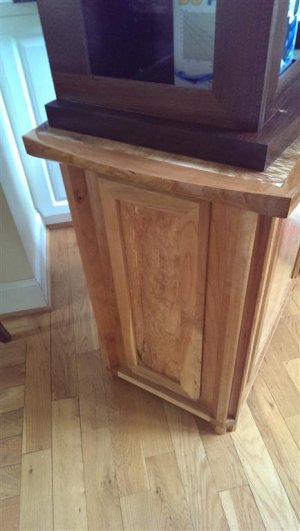
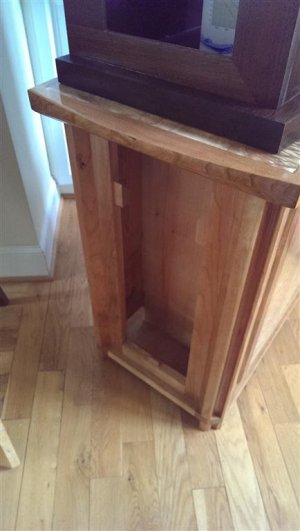
I built mine.

avubejuz.jpg


ebezy4at.jpg


qehypy9e.jpg
 
How do you go about plugging 15 items into a circuit without splitters of some sort? Are those large DJ switch boards more appropriate that have a on/off switch for every item plugged in? Or is the best route to wire 10 outlets into that NEMA box somehow and plug each cord into its own outlet? I dont understand how anyone plugs everything in without the use of power strips.

Those DJ power switches are much more robust than a "power strip". I really try to not house electrical in a stand, simply put corrosion will get you, and if you get to a situation where arcing can occur is when you're in trouble because the arcing is what causes fires.

Another thing you could do is have a section of your stand isolate from the rest, basically a box within a box, that way the humidity of your sump doesn't come into it as a factor. Use those rubber grommets to bring wires through to your "Power area". Or just run all wires out the back of the stand and not have them inside the stand itself (if this is possible... but be weary of your electrical being beneath any overflow or "drip" areas
 
Those DJ power switches are much more robust than a "power strip". I really try to not house electrical in a stand, simply put corrosion will get you, and if you get to a situation where arcing can occur is when you're in trouble because the arcing is what causes fires.

Another thing you could do is have a section of your stand isolate from the rest, basically a box within a box, that way the humidity of your sump doesn't come into it as a factor. Use those rubber grommets to bring wires through to your "Power area". Or just run all wires out the back of the stand and not have them inside the stand itself (if this is possible... but be weary of your electrical being beneath any overflow or "drip" areas


This was the idea I was considering for my new build, but I wasnt sure the best way to go into it. Im sure some humidity would still get through. but isolating it all would certainly be better then leaving it exposed in the stand.

Ive had several tanks and always had cheap powerstrips inside the stand, and I always new its a bad idea every time. I want my next build to be solid, safe, and long term.
 
Does your stand have the sump in it also? If not there is no more humidity in the bottom of the stand then the rest of the room. Having the sump down there would be a different story.
 
Does your stand have the sump in it also? If not there is no more humidity in the bottom of the stand then the rest of the room. Having the sump down there would be a different story.

oh yea, Im talking about a free standing tank, all in one. everything in the stand.

My next build will have a closet behind it which Im going to make a small sump room, at least put my top off tank, maybe a frag tank, and possibly all electronics in there. It would just make it a pain in the butt fishing plugs back and forth through a wall to remove pumps for cleaning and other maintenance.
 
Another thing you could do is have a section of your stand isolate from the rest, basically a box within a box, that way the humidity of your sump doesn't come into it as a factor. Use those rubber grommets to bring wires through to your "Power area". Or just run all wires out the back of the stand and not have them inside the stand itself (if this is possible... but be weary of your electrical being beneath any overflow or "drip" areas

That's how I built the stand for the tank I'm currently building. The side section is separate and sealed w\ epoxy except for a small chaseway for cords. I'm going to put a small fan pulling outside air into the electrical space and vented to the sump space which should keep the salt air pretty much excluded from the compartment.
 

Attachments

  • IMAG0022 (Medium).jpg
    IMAG0022 (Medium).jpg
    66.7 KB · Views: 12
  • IMAG0021 (Medium).jpg
    IMAG0021 (Medium).jpg
    58.9 KB · Views: 14
Just curious- does this include the "smart" power strips that go with controllers like the Apex? Or do you just mean no power strips under the stand?


Of course it does. Equipment such as this made for the aquarium hobby, seldom if ever would pass a UL listing test, and definitely rarely would pass electrical codes. (though there are few that would apply.) Lighting falls in this category as well. The manufacturers take advantage of the general "ignorance" concerning what should be used, where it should be used, where it should not be used, or should not be used at all... ;)
 
You could spend a lot of time and money on water tight outdoor applications to try and utilize under a stand where space is limited. A real cheap and simple solution is a fan mounted under the stand blowing the humidity and ultimately heat out from the confined space under the tank. I am a electrician and I didn't use gfci plugs for the dedicated circuit I ran for my tank bc the slightest thing trips them and if you want to do it the right way you need a gfci plug and breaker to be code, which makes for more things to trip and have to reset. To each their own but electricity doesn't scare me, like it scares some ( hence the no gfci, everyone will tell you if it is near water you HAVE to use gfci but that just isn't true. It's code but there are lots of things that are code that don't make a lot of sense) You could daisy chain receptacles like jeff000 mentioned but no one wants a 6 gang box on their wall with 12 outlets lined up in a row, talk about a eye sore not to mention when you take the tank down

You don't need a gif breaker and gfi receptacle unless some silly local amendment was made. Using both on the same circuit can cause some strange things to happen with nuisance tripping.

I'd gang the outlets in the stand and cord feed it personally.
 
Back
Top