A friend of mine moved his 7 years old tank from the living room to his mancave in the basement. He replaced the 7 years old check valve with a brand new one from BRS. Two days after he moved his fish in, the check valve failed and he had over 200g on the floor. He lost most of the fish and all of the corals.

You are using an out of date browser. It may not display this or other websites correctly.
You should upgrade or use an alternative browser.
You should upgrade or use an alternative browser.
Reminder that check valves fail
- Thread starter BlackTip
- Start date

slief
RC Sponsor
A friend of mine moved his 7 years old tank from the living room to his mancave in the basement. He replaced the 7 years old check valve with a brand new one from BRS. Two days after he moved his fish in, the check valve failed and he had over 200g on the floor. He lost most of the fish and all of the corals.
Yep.. It's a fact that I state here all the time and I am always amused when people try to debate this subject. Obviously those would that would debate it or support the use of them have yet to learn the lesson.
I once lost 500 gallons of water from my display as the result of a failed yet well maintained check valve. My display was empty with exception of 1" at the bottom. I came home to water running down my driveway and nearly an inch of water on my floor throughout the downstairs of my house. It was a valuable lesson and from that time on, I eliminated the check valves and changed my plumbing so they would never be needed. Unfortunately for many, they have to learn the hardway instead of learning from others lessons but hopefully your thread can save people from suffering the same fate.
Yep.. It's a fact that I state here all the time and I am always amused when people try to debate this subject. Obviously those would that would debate it or support the use of them have yet to learn the lesson.
I once lost 500 gallons of water from my display as the result of a failed yet well maintained check valve. My display was empty with exception of 1" at the bottom. I came home to water running down my driveway and nearly an inch of water on my floor throughout the downstairs of my house. It was a valuable lesson and from that time on, I eliminated the check valves and changed my plumbing so they would never be needed. Unfortunately for many, they have to learn the hardway instead of learning from others lessons but hopefully your thread can save people from suffering the same fate.
I actually told him that the first time I learned that he is using a check valve. His tank plumping is also strange. His return pipes are in the bottom of the tank, and his drain is a bulkhead in the bottom of the overflow box without a stand pipe. His pump is external. He countered me and said he has been using check valves for 20 years and they never failed. I am the new guy, so I didn't argue. After the major leak, I polity suggested to run a return line over the tank. I feel sad, because he has been planning this move for many months. It is too much efforts for him.
Two kinds of reefkeepers: those who have had check valves fail and those who will have them fail.
You forgot the third type: One who don't have a check valve...

joshbrookkate
New member
What's a check valve?

ericarenee
New member
I do not see how a check valve can cause a Correctly plumbed tank to end up draining... I can how ever understand a sump being over flowed some what. or a Tank over flowing from a Drain line check getting stuck closed...
With that said.. Still no reason in my Mind do i see them useful on a Aquarium..
I have one on my Basement sump pump. and two on the basement sewage pump tank.. One on the vent line and one on the Pump line... The plumbing place we bought the system says the check valves are Code and helps with Noise... . But of course these are not marine environments and are huge spring loaded Industrial valves.
With that said.. Still no reason in my Mind do i see them useful on a Aquarium..
I have one on my Basement sump pump. and two on the basement sewage pump tank.. One on the vent line and one on the Pump line... The plumbing place we bought the system says the check valves are Code and helps with Noise... . But of course these are not marine environments and are huge spring loaded Industrial valves.

I do not see how a check valve can cause a Correctly plumbed tank to end up draining...
If the tank is plumbed correctly, then failure of the check valve would not cause it to drain. But if the tank is plumbed correctly, then it doesn't require a check valve in the first place. It's relying on a check valve to prevent draining in an incorrectly plumbed tank where the catastrophe lies.
You forgot the third type: One who don't have a check valve...
I stand corrected .....


yellowRubi
New member
I have one on my system, even if it will fail the sump will handle all the water that would come from the DT, I use it so whenever I shut down my return, I don't have millions of bubbles shooting from my returns....

Bent
I got nothin'
If he flooded from a failed check valve, he's doing it wrong.
Check valves are great for purposes where you want to accomplish something besides protecting your sump from overflow.
I use them, but only as a means to shorten startup times, and keep air burping to a minimum.
This kind of thing isn't a big deal when the sump is 2 feet from the DT, but if you have a off site sump in the basement or a few rooms away, the return lines can hold gallons of air, which results in, mainly, air being forced into the display tank blasting water all over the place. It's loud and ultra messy.
Nothing like the sound of a gurgling pipe spewing water all over the place waking up a 7 month old baby at 2am. Especially when the wife is already annoyed by the project.
Check valves are great for purposes where you want to accomplish something besides protecting your sump from overflow.
I use them, but only as a means to shorten startup times, and keep air burping to a minimum.
This kind of thing isn't a big deal when the sump is 2 feet from the DT, but if you have a off site sump in the basement or a few rooms away, the return lines can hold gallons of air, which results in, mainly, air being forced into the display tank blasting water all over the place. It's loud and ultra messy.
Nothing like the sound of a gurgling pipe spewing water all over the place waking up a 7 month old baby at 2am. Especially when the wife is already annoyed by the project.

Steve Atkins
New member
20+ years ago I was told never to rely on a check valve. Seems that advice is still valid.
I have never used one for anything where a failure (assumed to be a certainty) would cause catastrophic tank damage but I have occasionally used them on non critical tasks.
I have never used one for anything where a failure (assumed to be a certainty) would cause catastrophic tank damage but I have occasionally used them on non critical tasks.

slief
RC Sponsor
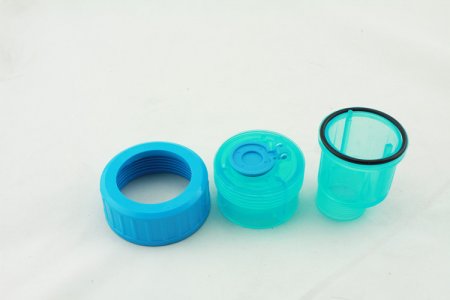
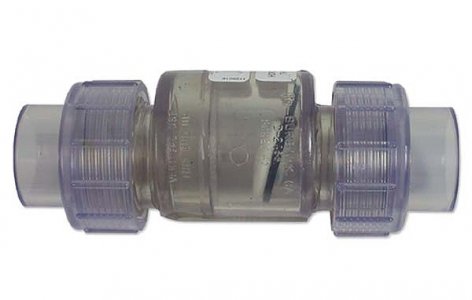
which valve is safer with doors or the like from BRS(float valve)?
I wouldn't touch either. I've seen the flappers come apart and completely block the flow killing pumps. If you really feel you must use a check valve, the only one I would suggest would be a ping pong ball style one that is rebuildable.
Similar threads


- Replies
- 3
- Views
- 875

