Bristleworm Hitchikers

ReeferNoob4ever

New member
Hello,

I recently added some neon green polyps to my tank. Tonight I just happened to catch a glimpse of 2 brown bristleworms on the newly acquired coral.

Should I be concerned/try to remove them?

I know they eat poo and decay, I don't want them to get out of hand and kill a brittle star or something. I only have a 20g tank so I'm hoping they won't get too big. I read the fire worms are the bad kind. I'm all about having possible free food that also cleans my tank of debris.

Thanks for the input. :thumbsup:
 
Just leave them. Doubt they would go that crazy they should mostly self-regulate their number. Worse comes to worse you can always set a bristleworm trap with nylon pantyhose


Sent from my iPhone using Tapatalk
 
I don't have much choice now as they have taken off into my live rock. If they pester me I will just get a 6 line wrasse or a goby to eat them.
 
Bristleworms ARE NOT unwanted hitchhikers!!! They serve a very important function as a part of your clean up crew. The only reason they overpopulate is because you are supplying them with too much food. They will self regulate their population quite well all by themselves.
 
I've personally watched bristleworms attack living feather worms, and also steal food from living NPS corals.

I'm not a dipper or dry rocker; I very much like hitchhikers in general. But bristleworms are right up there with Aiptasia and gorilla crabs.
 
Essential to a healthy reef. They have no jaws, cannot bite, only suck, and the worst they'll do is suck a food pellet up against their intake and motor off with that. I've also known them to 'rescue' a coral in trouble by sucking off the decay and leaving healthy tissue.
 
If you see bristleworms "attacking" anything, it is because that creature is already having problems. They DO NOT go after healthy tissue.
 
Bristleworms ARE NOT unwanted hitchhikers!!! They serve a very important function as a part of your clean up crew. The only reason they overpopulate is because you are supplying them with too much food. They will self regulate their population quite well all by themselves.

Essential to a healthy reef. They have no jaws, cannot bite, only suck, and the worst they'll do is suck a food pellet up against their intake and motor off with that. I've also known them to 'rescue' a coral in trouble by sucking off the decay and leaving healthy tissue.

If you see bristleworms "attacking" anything, it is because that creature is already having problems. They DO NOT go after healthy tissue.

+1000 to all three posts!

I have no idea where the idea came from that bristle worms are a bad hitchhiker, but that dogma needs to stop in this hobby. They are a necessary part of a healthy tank and only go into plague proportions if you overfeed your tank. Their numbers self regulate depending on their available food source.

I started with dry sand, and dry rock so no unwanted hitchhikers. I asked my LFS for a couple cups of sand from his established reef so I could introduce some bristle worms, brittle stars, peanut worms, etc so I could have a healthy sandbed.
 
I'm very excited to see how this goes for my tank. I do understand there is a risk involved with them, but at this point, they are in my tank now. I put in a coral banded shrimp so they don't get a foothold.

I can see why some choose to pre treat their new stock. I kind of like to gamble and tend to buy from 2 reputable reef supply stores where I live. I stay away from algae ridden, aptasia infested, mucky looking stores.

I feel like if they get out of control is my fault. I like to keep my tanks slim if you know what I mean. If it can mostly self sustain aside water changes then I'll be pleased.

The video of one taking out a brittle star is intesnse. Hopefully not in my 20gal or I'll basically have a bristle worm as my only non sessile invert in my tank!
 
If you see bristleworms "attacking" anything, it is because that creature is already having problems. They DO NOT go after healthy tissue.

This is straight up in inaccurate. I've witnessed them several times engaged in tug of war over food, or pulling tentacles from feather worms.

A wise man doesnt say something doesnt happen just because he hasnt seen it himself.

Bristleworms attack sometimes, this is beyond dispute, having been directly witnessed. The frequency of these attacks is certainly up for discussion. Perhaps I have unusually mean bristleworms. Thats possible.

But a statement that bristleworms never attack is about as reasonable as a statemnt that peppermint shrimp never eat corals. (I used to think that too until I witnessed it)
 
I've already witnessed my banded shrimp picking things out of the substrate and rocks, especially once the lights go out. I have full faith he will be the Guardian of my tank.
 
Bristleworms ARE NOT unwanted hitchhikers!!! They serve a very important function as a part of your clean up crew. The only reason they overpopulate is because you are supplying them with too much food. They will self regulate their population quite well all by themselves.

Essential to a healthy reef. They have no jaws, cannot bite, only suck, and the worst they'll do is suck a food pellet up against their intake and motor off with that. I've also known them to 'rescue' a coral in trouble by sucking off the decay and leaving healthy tissue.

If you see bristleworms "attacking" anything, it is because that creature is already having problems. They DO NOT go after healthy tissue.

+1000 to all three posts!

I have no idea where the idea came from that bristle worms are a bad hitchhiker, but that dogma needs to stop in this hobby. They are a necessary part of a healthy tank and only go into plague proportions if you overfeed your tank. Their numbers self regulate depending on their available food source.

I started with dry sand, and dry rock so no unwanted hitchhikers. I asked my LFS for a couple cups of sand from his established reef so I could introduce some bristle worms, brittle stars, peanut worms, etc so I could have a healthy sandbed.

This is straight up in inaccurate. I've witnessed them several times engaged in tug of war over food, or pulling tentacles from feather worms.

A wise man doesnt say something doesnt happen just because he hasnt seen it himself.

Bristleworms attack sometimes, this is beyond dispute, having been directly witnessed. The frequency of these attacks is certainly up for discussion. Perhaps I have unusually mean bristleworms. Thats possible.

But a statement that bristleworms never attack is about as reasonable as a statemnt that peppermint shrimp never eat corals. (I used to think that too until I witnessed it)

You are free to believe anything you want. I'll stick with my earlier statements.
 
This guy should take care of it should things get out of hand...

<a href="http://s1377.photobucket.com/user/iandrackert/media/BandedShrimp_zpsqdhfrxck.jpg.html" target="_blank"><img src="http://i1377.photobucket.com/albums/ah44/iandrackert/BandedShrimp_zpsqdhfrxck.jpg" border="0" alt="Gaurdian photo BandedShrimp_zpsqdhfrxck.jpg"/></a>
 
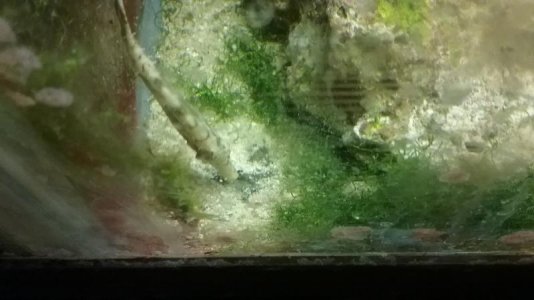
Hey all just witnessed something I never seen before . A matted fish eating a bristle worm for a snack. I introduce it for aiptasia which worked well but I did noticed a decline in pods and bristle worms.
Anyway thought I would share this since I had no idea.
HAPPY REEFING ALL. :fish1:
 

Attachments

  • 20170403_144903.jpg
    20170403_144903.jpg
    42.3 KB · Views: 4
I was thinking six line if I have to resort. But I have a feeling they are just going to be free food for some.

Will they eat snail poop?
 
Back
Top