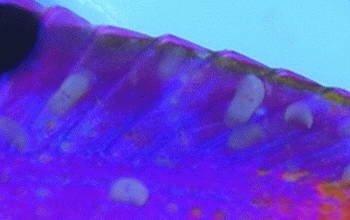
brown Scopas tang weird Black patches

Garlic and ginger

And I know that garlic is not proven to cure ich but it worked and I could not catch the fish I have a lot of live rock so i would have to tear apart the tank to take the fish out
 
Sorry, but you're gonna have to take all of your fish out to treat them. And then leave it fallow for 72 days.

You're not treating anything with garlic and ginger.. Probably making a salty, savory tea with those ingredients. It sucks to have to tear your tank apart, but it should be done. Check out the disease section on how to properly treat ur pets. :)
 
What's "a lot" of live rock? Snorvich is likely the reason I am still here by catching my last screw up.

I cut a vacation short, drove 3 hours, moved 1000lbs of rock 3 times in one night till 4am based on his hunch and it saved my livestock. Sprained both wrists in the process. You are going to have to tear down the tank and treat your fish properly if you want a healthy tank.
 
Sounds like flukes. Did anything drop off in the freshwater dip? Should of seen little clear oblong shaped thing in a pile on the bottom of the container.
 
Sounds like flukes. Did anything drop off in the freshwater dip? Should of seen little clear oblong shaped thing in a pile on the bottom of the container.


it had some clear slime looking stuff at the bottom. Is that what you are talking about.
 
it had some clear slime looking stuff at the bottom. Is that what you are talking about.
I took this from a website, www . reefaquarium . com /2014/flukes-marine-fish/


There are two common types of flukes, the ones that infect the skin of the fish (dactylogyrus trematodes), and the second that will infect both the skin and gills of the fish (monogenenean trematodes). Both can be very hard (if not almost impossible) to visually see on the fish until very advanced stages. While attached to the fish, they will feed on the tissues they are attached to. At some point they will start releasing eggs which will fall and lay dormant within the aquarium for about a week. They will hatch , releasing a free floating / swimming larva. This larva will survive for two or three days without attaching to a host before dieing. Typically the larvae will attach itself to either the gills or skin of the fish. Once attached, the larva will develop into a worm and releasing eggs continuing the life cycle. This final stage can last for about a week, maybe a little longer

 
I took this from a website, www . reefaquarium . com /2014/flukes-marine-fish/


There are two common types of flukes, the ones that infect the skin of the fish (dactylogyrus trematodes), and the second that will infect both the skin and gills of the fish (monogenenean trematodes). Both can be very hard (if not almost impossible) to visually see on the fish until very advanced stages. While attached to the fish, they will feed on the tissues they are attached to. At some point they will start releasing eggs which will fall and lay dormant within the aquarium for about a week. They will hatch , releasing a free floating / swimming larva. This larva will survive for two or three days without attaching to a host before dieing. Typically the larvae will attach itself to either the gills or skin of the fish. Once attached, the larva will develop into a worm and releasing eggs continuing the life cycle. This final stage can last for about a week, maybe a little longer

This. Here is a pic to go along with this
 

Attachments

  • image.jpg
    image.jpg
    17.5 KB · Views: 3
IMO that is a lie, but some fish could develop a small immunity to a disease. But I wouldn't risk at on any fish. BTW what species is your trigger fish?


The fish is a clown triggerfish i thought it made sense since they have thick skin like sharks and sharks don't get ich

i know that sharks don't get ich for sure because all my fish got ich except my lionfish and my banded cat shark
 
Back
Top