DNA
New member
I'd like to share something with you guys that I think is important.
First I'd like to introduce the Coccolithophores. (Emiliania Huxley)
They are about 5 micron and 5 times smaller than e.g. an Ostreopsis dinflagellate.
I noticed a bloom out of the coast here in Iceland at the same time I was jet again looking for a reason for my constant low calcium level.
It was like many puzzles found their place at the same time and the big picture became clearer.
The ocean is rarely transparent and it's color will tell a tale of what is going on. Same goes for our tanks.
A slightly yellow or brown could be low amount of dinos or diatoms, various intensities of green could be algae, white or cyan/turquoises calcareous algae and red a dense dino bloom.
Of course we have these white coccolith blooms in our tanks as well.
We just don't realize it and in all my years reefing I have never heard anyone mentioning them.
Because of our small tanks and relative dim lights we don't see or recognize them for what they are.
A friend and myself simply can't get calcium levels to the SPS standard and they hover under 400 or lower if something happens to Ca production.
I have noticed that I have more debris in suspension than most tanks and decided to have a better look.
I got my camera and looked at the debris on the rocks. Most of it was calcareous and some had organic shapes like sticks and broken shells.
The magnification didn't allow for coccolithophores or coccoliths since they are even to small for a proper look in a light microscope.
After my last water change the water column had a haze to it for a few days and I think that is possibly Coccolithophores and other calcareous algae.
They have a very short live span and use up a lot of calcium. Their armor falls of and slowly falls to the ocean floor, meanwhile they reflect light so well their blooms can be seen from space.
I can imagine they produce an organic mass that is like a dead fish in the tank at all times. Is this what fuels dinoflagellates?
I was looking at photos of red tide blooms in the ocean and noticed they often come with white ones.
The official time is white ones peak in the spring and red ones in late summer.
I think it's very likely these ocean blooms are linked, but proving how is not easy. It's documented that a virus kills off the white blooms.
-
We have found out that dinos usually like water changes. - That could be because of increase in coccolithopores.
There are at least two local Ostreopsis tanks that can't reach proper calcium levels.
When I siphon from the sand the amounts of dust baffles me. - That could be the excess calcium I'm adding and not seeing on the corals that have stunted growth.
We have yet to find out what causes dino blooms and keeps them going in reef tanks.
Here is a new dimension worth having in mind.
Emiliania Huxley

Notice the various colors in the ocean and the country sized blooms.

I noticed red and white tides often go together.

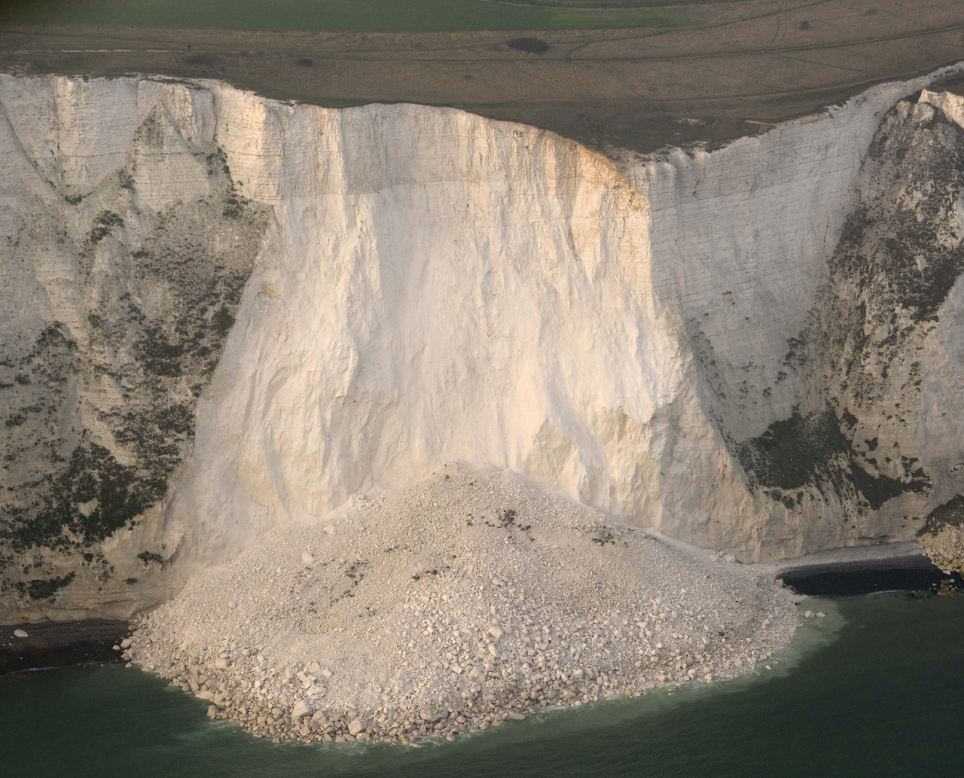
Guess what this white stuff is? From 2 microns to many miles (km) in thickness.
First I'd like to introduce the Coccolithophores. (Emiliania Huxley)
They are about 5 micron and 5 times smaller than e.g. an Ostreopsis dinflagellate.
I noticed a bloom out of the coast here in Iceland at the same time I was jet again looking for a reason for my constant low calcium level.
It was like many puzzles found their place at the same time and the big picture became clearer.
The ocean is rarely transparent and it's color will tell a tale of what is going on. Same goes for our tanks.
A slightly yellow or brown could be low amount of dinos or diatoms, various intensities of green could be algae, white or cyan/turquoises calcareous algae and red a dense dino bloom.
Of course we have these white coccolith blooms in our tanks as well.
We just don't realize it and in all my years reefing I have never heard anyone mentioning them.
Because of our small tanks and relative dim lights we don't see or recognize them for what they are.
A friend and myself simply can't get calcium levels to the SPS standard and they hover under 400 or lower if something happens to Ca production.
I have noticed that I have more debris in suspension than most tanks and decided to have a better look.
I got my camera and looked at the debris on the rocks. Most of it was calcareous and some had organic shapes like sticks and broken shells.
The magnification didn't allow for coccolithophores or coccoliths since they are even to small for a proper look in a light microscope.
After my last water change the water column had a haze to it for a few days and I think that is possibly Coccolithophores and other calcareous algae.
They have a very short live span and use up a lot of calcium. Their armor falls of and slowly falls to the ocean floor, meanwhile they reflect light so well their blooms can be seen from space.
I can imagine they produce an organic mass that is like a dead fish in the tank at all times. Is this what fuels dinoflagellates?
I was looking at photos of red tide blooms in the ocean and noticed they often come with white ones.
The official time is white ones peak in the spring and red ones in late summer.
I think it's very likely these ocean blooms are linked, but proving how is not easy. It's documented that a virus kills off the white blooms.
-
We have found out that dinos usually like water changes. - That could be because of increase in coccolithopores.
There are at least two local Ostreopsis tanks that can't reach proper calcium levels.
When I siphon from the sand the amounts of dust baffles me. - That could be the excess calcium I'm adding and not seeing on the corals that have stunted growth.
We have yet to find out what causes dino blooms and keeps them going in reef tanks.
Here is a new dimension worth having in mind.
Emiliania Huxley
Notice the various colors in the ocean and the country sized blooms.
I noticed red and white tides often go together.
Guess what this white stuff is? From 2 microns to many miles (km) in thickness.