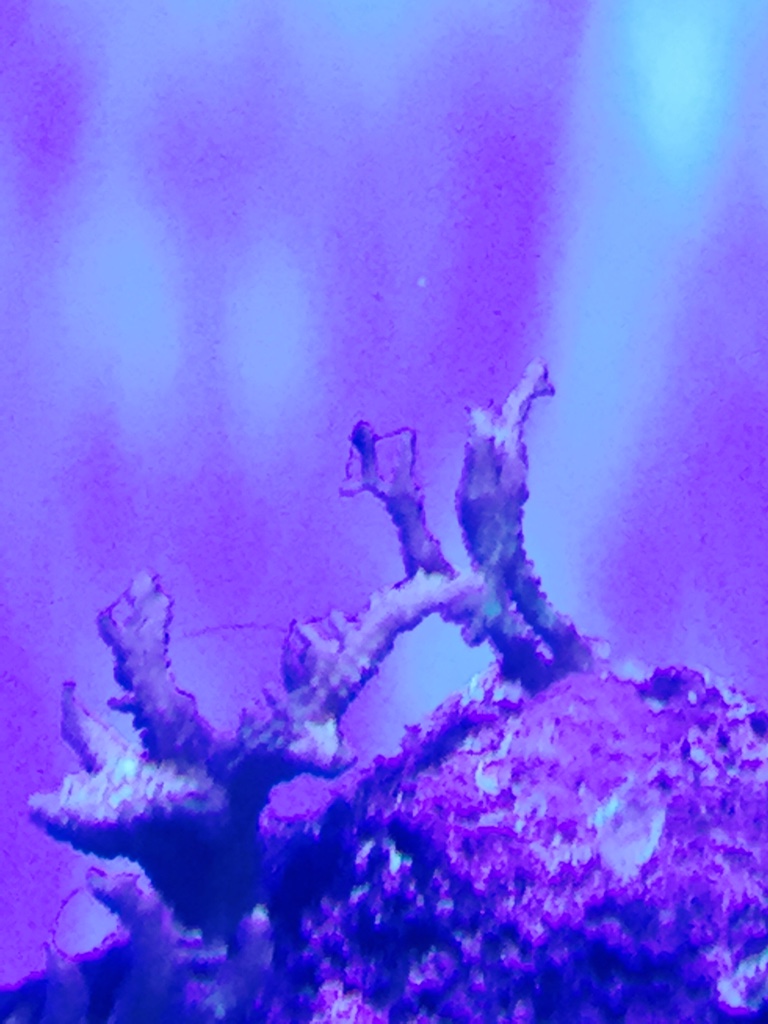
Dinoflagellates.

I know I've shared this before, fast flow through a UV has no effect at all. It's a waste of the device and power. It would be like buying a 4000gph DC powerhead, running it at 5% and then complaining that the flow is so terribly weak and letting others know that it's a waste of money.

The impact is power x admittance x exposure time. Admittance is the cleanliness of your quartz sleeve. Power is a function of when you last cleaned your bulb and exposure rate is a function of geometry and an inverse function of flow rate.

One more variable is overall turnover. If you plumb the UV in a small loop that doesn't allow fresh (not yet radiated) water to be injected, the effect is lost.

Lights out pushes the dinos into the water column. I ran dark for days + slow flow UV.

If you're not removing the dead, you're just putting food for the dinos that haven't been zapped.

I apologize for being so pushy on this concept, but we use UV for industrial sterilization, food, hospitals, etc... The improper use of a device doesn't make it a bad tool. It is a remarkably effective tool if used properly.
 
Last edited:
I believe I have two dino species that I could clearly distinguish. Ostreopsis ovata and another species that I have been unable to identify. My ostreopsis used to be the main population in the bloom but as of late with the GHA growing and diminished dino pop there is another shape I'm spotting in the microscope. This shape likes to twirl around and suddenly burst forward, it's distinctly different from ostreopsis which kinda spins around a point.

Keep in mind I haven't had any snails or CUC die at all, it's strange but I'm assuming my dinos aren't toxic I guess? I will be turning on my skimmer since you guys are saying it's a good idea.
 
I believe I have two dino species that I could clearly distinguish. Ostreopsis ovata and another species that I have been unable to identify. My ostreopsis used to be the main population in the bloom but as of late with the GHA growing and diminished dino pop there is another shape I'm spotting in the microscope. This shape likes to twirl around and suddenly burst forward, it's distinctly different from ostreopsis which kinda spins around a point.

Keep in mind I haven't had any snails or CUC die at all, it's strange but I'm assuming my dinos aren't toxic I guess? I will be turning on my skimmer since you guys are saying it's a good idea.
I think most people (who are doing dirty method) skim at night, since that's when the dinos take to the water column.

I also have two distinct dino species and no evidence of livestock or cuc deaths which to me suggests low toxicity. One is amphidinium, the other is definitely not one of the ones that people have talked about much. I'm calling it Coolia tentatively, it's armored, nearly spherical and whirls in tight circles. I posted pics of it in this thread earlier.
Got any pics of your unknown?
 
I think most people (who are doing dirty method) skim at night, since that's when the dinos take to the water column.

I also have two distinct dino species and no evidence of livestock or cuc deaths which to me suggests low toxicity. One is amphidinium, the other is definitely not one of the ones that people have talked about much. I'm calling it Coolia tentatively, it's armored, nearly spherical and whirls in tight circles. I posted pics of it in this thread earlier.
Got any pics of your unknown?

Only of the ostreopsis I'll try to get a pic tomorrow night after work.
 
I didn't have a microscope when I had my infection. I had three unique symptoms:

1. They formed by day, disappeared at night.
2. My cuc were dying quickly, except my urchins.
3. My chaeto started to struggle and die back.
 
Update/good news;

8 days ago I purchased 32lbs very live healthy rock from a 9 year old reef. Today my tank is very clear, all corals wide open and most showing sign of growth. Coralline algae and critter life in the sump noticeably growing. Continuing to dose 8oz live homemade phytoplankton daily and 10% water changes.
QoJ7d7s.png
A1Ceoa7.png
 
Last edited:
Dinos has gotten worse! I believe I had both cyano and dinoflagellate ostreopsis. I've never had any on my sand only on the rocks and coral plugs. My efforts to kill the Dinos killed the cyano and gave the Dinos the upper hand. Now they are everywhere even on my sand. I am going to hit them with a quadruple threat that started last night.
1. 3day blackout which helped in the past to knock them back.
2. Raising PH and maintaining it to 8.5.
3. Incorporate pods, beneficial bacteria
4. Dose Algae X. I've dosed it back in December and actually eliminated them to less than 10%.

I'm so through with this mess. Any more suggestions that can aid in this process?
 
Update/good news;

8 days ago I purchased 32lbs very live healthy rock from a 9 year old reef. Today my tank is very clear, all corals wide open and most showing sign of growth. Coralline algae and critter life in the sump noticeably growing. Continuing to dose 8oz live homemade phytoplankton daily and 10% water changes.
http://i.imgur.com/QoJ7d7s.png/IMG][IMG]http://i.imgur.com/A1Ceoa7.png/IMG][/QUOTE]

nice tank. good news for me too dinos are 99% gone from what I can tell. i forgot to mention earlier in the thread that I also bought a small piece of LR from my LFS, I asked for one of the older pieces. it might have helped as well.

now when to do a water change? and how fast to crank up these LEDs.. decisions decisions

bad news is all this extra feeding -> a bunch of aiptasia and majanos have popped up. can't win em all
 
Dinos has gotten worse! I believe I had both cyano and dinoflagellate ostreopsis. I've never had any on my sand only on the rocks and coral plugs. My efforts to kill the Dinos killed the cyano and gave the Dinos the upper hand. Now they are everywhere even on my sand. I am going to hit them with a quadruple threat that started last night.
1. 3day blackout which helped in the past to knock them back.
2. Raising PH and maintaining it to 8.5.
3. Incorporate pods, beneficial bacteria
4. Dose Algae X. I've dosed it back in December and actually eliminated them to less than 10%.

I'm so through with this mess. Any more suggestions that can aid in this process?

i'm not an expert so take my advice with some fistful of salt but I don't think using algae X is a good idea. a lot of people had success by increasing competition for the dinos, so feed more and let other organisms thrive and they will outcompete the dino. use UV to cut down their reproduction rate. dose pods, phyto etc.
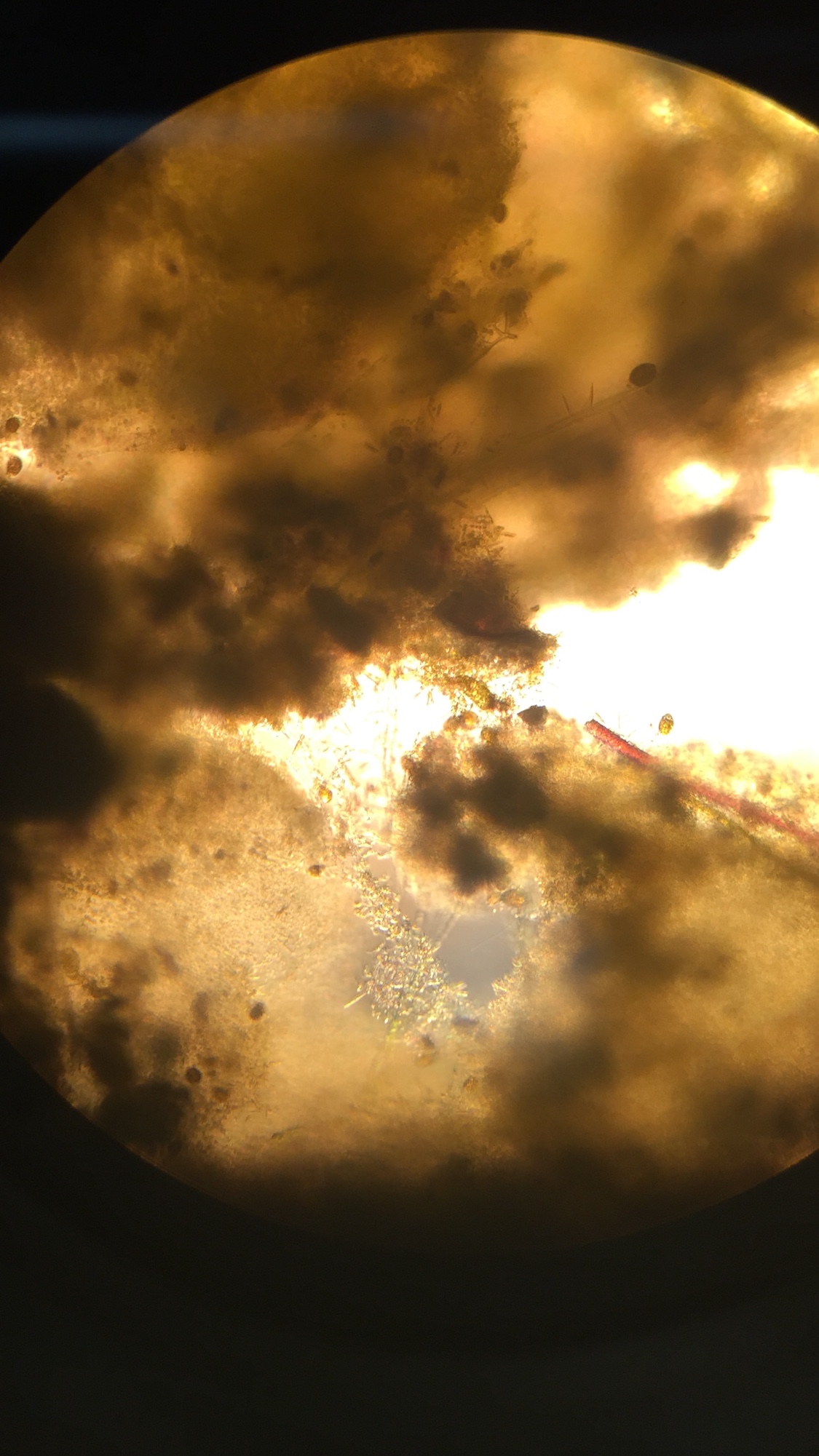
 
i'm not an expert so take my advice with some fistful of salt but I don't think using algae X is a good idea. a lot of people had success by increasing competition for the dinos, so feed more and let other organisms thrive and they will outcompete the dino. use UV to cut down their reproduction rate. dose pods, phyto etc.


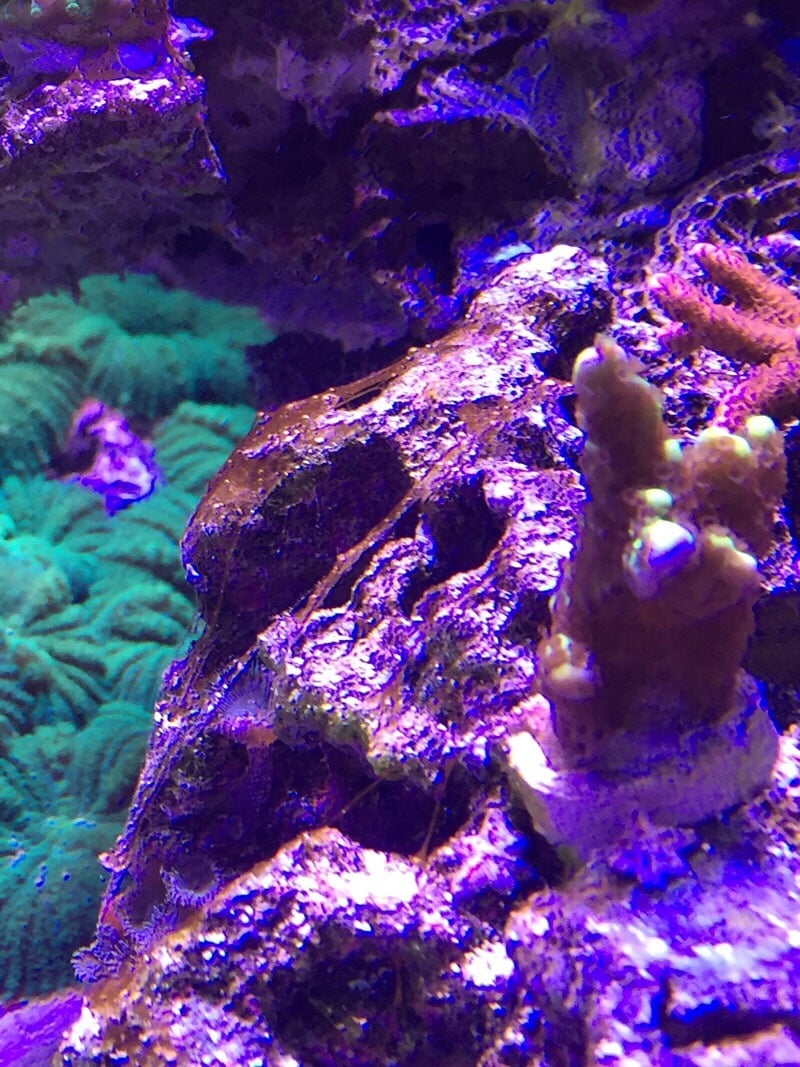
I used Algae X in December. It didn't kill them all but definitely put a huge dent in the population. I only had about 10% left. I don't believe Algae X kills all types of Dinos. It killed a huge percent of the kind I have. It's definitely hit or miss. In December it definitely did the job. Basically what I'm doing is hitting it with everything and incorporate pods, bacteria etc. I used a microscope at work to ID and hoped I didn't have that stubborn ostreopsis like everyone else. Well I do. This is the best pic I could take through the lens. I was at work so I had to be on the lookout and couldn't get good pics.
f15ed2561ad9678c3dbb3b66f6258837.jpg
 
IMHO: Don't use chemicals to kill algae!!!

That causes dinos to win more.

It's a war between dino ecosystem and normal ecosystem. The 'normal' ecosystem is based on phytoplankton and algae as the basis for life. All other biofauna build up from there.

If you break the base, dinos will win.

You want a normal level of controlled algae... Exported with an ATS or macroalgae refugium.
 
Can't say for certain, but feel like I'm starting to turn the corner on the dinos.
In the past few days the green on the glass has spread, encroaching on former dino territory. Green film on rocks starting to show as well.

With adding skimmer "green tea" back to the tank, I basically haven't exported any nutients out of the tank in over a week.

There are still plenty of dino dustings on the sand, but no major patches of pure dino slime anymore. In other words it seems like the dinos are having to share their space now. In small scale tests, this was a precursor to their decline.

I popped a microscope lens onto the camera of my phone, it allows enough magnification to resolve individual dinos on the side of the tank glass while still in the tank environment.
Interesting views of the sand surface where it meets the glass
first one is two days ago, where the dino film was thickest, today was in the same area, showing thinning dinos amid some competing organisms.
 

Attachments

  • 2-5-16.jpg
    2-5-16.jpg
    57.4 KB · Views: 5
  • 2-7-16.jpg
    2-7-16.jpg
    54.8 KB · Views: 5
As per the report by NYXX , I am taking his photo to post here to compare with mine, I also doubt I have dinos in my tank but can not confirm , so need some expert here comment on below 2 photos if the said hair like strands algae was dinos or cyano;

1) NYXX photo;

81a8f6494ef268a8af7c6c6b70945d0a.jpg


2) mine :

7b166977ed2636f1d5d21a34f992edd0.jpg


I have observed they stick to my corals and I wonder if they are the reason why corals browning and no PE?

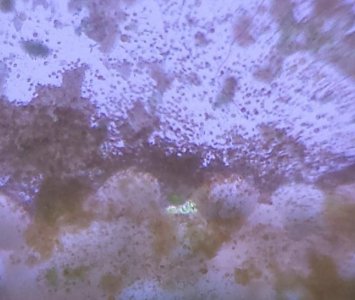
I have try black out for 3 days but it seems not much was done, I am now using turkey blaster to sucks then up or blow the rocks area and doing every day 5 liters water change of my 410 liters total water volume system.

FYI, I am in Zeovit system and I wonder if I can use other additive like coral snow to cure them ?

Will much appreciated for your kind comment and advise how to iradicate them.

Wish you all a Happy Chinese New Year !!!

96d5964bff3ac2945025e8be5f1a2fc7.jpg


Cheers,


MD
 
1) NYXX photo;

2) mine :

I have observed they stick to my corals and I wonder if they are the reason why corals browning and no PE?
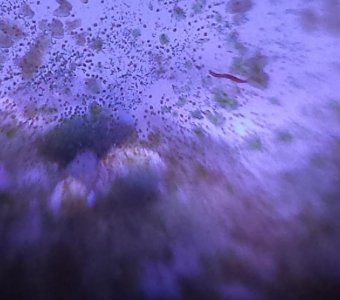
Nyxx photo: I vote yes. Dinos.

Yours: not sure, but that description in a low nutrient system is more strongly suggestive of dinos than your picture.
 
Back
Top