
Sick RBTA's

aj2494

New member
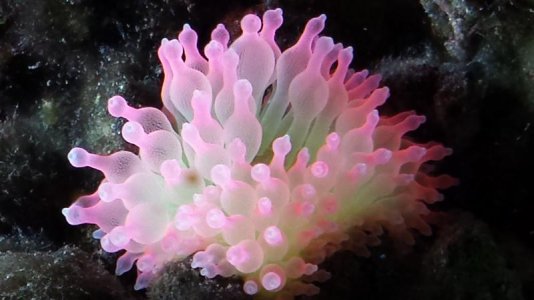
About a year ago, I bought an RBTA. It has split twice since then, but nothing recent. A couple weeks ago, I bought some fish at an LFS, and long story short, infection led to a tank wipeout. This is in my 55 with 216 watts. Almost immediately after my clowns died, which were hosting in two of the nems, the RBTA's took an immediate turn for the worse. I spot feed mysis and they have always been healthy except for one time when they looked like this before. They still eat and are mostky open all the time. Params are all fine except phosphates which were at 1.3 last week! That's currently being brought down to acceptable levels. I also did have one of my 4 bulbs burn out, and that got fixed today. So my questions are did the phosphates/bad bulb do this? And what can I do to speed up their recovery?

All three nems look the same, minus the fact that one seems to have always been smaller and shyer.
20130611_010915.jpg
 
It looks pretty bleached. How rapidly did this color change take to happen? Any pics of its color before this. Also what spectrum was the bulb that blew on you? The phosphates are extremely high so if you normally run them pretty low and this was a quick drastic spike it, along with the blown bulb could have certainly played a part. How low are you planning to bring your po4? Make sure you bring it down slowly as a the nems have already sustained a substantial shock no need to further the damage. Good luck my friend!
 
I don't have any pics of before, but they used to look very good. It took less than a day for them to bleach. The bulb was an actinic. The phosphates most likely did not spike as there would be no source. I believe it was a slow build up. I'm bringing it down with Phosguard, so not very rapidly at all. Is there anything I can do to help them along? Is it possible to boost the zooxanthallae population?
 
If it happened in a day it was definitely not your light, especially since its an actinic light(dont do much for the nem photosynthesis wise). The fact it happened so rapidly really leads me to believe it was a spike in phosphates but if there was no source it doesnt make much sense. When did you notice it was high and how frequently do you test for it? What are your 'normal' po4 levels? You mentioned an infected fish wiped out a good bit of livestock, was there an amonia spike? Amonia is very toxic and could have started a mini cycle which nems wont deal well with. They need very stable params so a fluctuation of one or several params could certainly have caused this. Ive successfully brought a few nems back to good health from bleaching in the past. It is very important that you maintain absolutely rock solid stability in your params during its recovery. Also feed it a few pieces of minced raw table shrimp or better yet some spirinula enriched brine every other day for a week. If you notice an improvement, cut the feeding to every third day for a week or so and then to once a week until hes healthy again. Good luck
 
I'll be perfectly honest, I don't test my water very often. And that was the first time I had ever tested for phosphates. It's more likely that they built up while my WC schedule was wacky with me being at school, and highly likely that the deaths pushed it past the point where it would bother the nems. The fish that died were my spotcinctus clown pair (:mad:), a banggai, 2 firefish (the buggers that brought the problem in), and a pearly jawfish. Now none of these fish themselves would be enough to cause a quality issue in my ~70 gal system, but when the nems turned, the only fish left was the banggai, so it's entirely possible that was the line in the sand.

I just really would have expected some response out of other levels, but phophates was the only level even remotely out of the ordinary. The guy at the LFS tried to tell my my brute can brought them up to 1.3 :headwalls:.

Quick question about your feeding regimen: I' assuming you want me to fill in the rest of the feedings with mysis? For instance, at the end, feed once a week with the spirulina brine and the rest with mysis?

Thanks again for all your help.
 
I dont see why your brute trash can would have caused a phosphate issue unless you had been storing water in it or LR that were both high in po4 it just doesnt make sense. Sorry to hear about all your losses! From here moving forward I would try to test your water once a week if you have the time and means to do so. As for the feeding schedule.... You already know nems are photosynthetic and get most of their energy to grow zooaxnthelle from the light. Given enough light nems do not have to be fed by us ever as it should catch some food out of the water column on its own. However in situations like these it will help the ndm reproduce its zooax. much faster by frequent feedings. Its not necessary to feed everyday and honestly I wouldnt recommend it because nems have very slow metabolisms causing them to take quite a while to digest there food. If overfed or fed to frequently they may not be able to properly digest the food in time before it rots inside them leading to more problems. You can choose to feed one of or a combo of all three things we discussed just stay away from silver sides. So for the first 10 days feed the nem once every other day only. The from day 11-21 feed every third day. And from day 21 until you notice a BIG improvement once a week. The reason i like the spirinula enriched brine is because of the added nutrition you get from the veggies. If you like mysis you can feed thos instead or in combo with. Meaning stick to the schedule but on the first feeding use brine, then on the next feeding use mysis etc. just dont feed anything too large and only feed a very small amount at a time. If you have any other questions please feel free to ask I am happy to be able to help. Keep me apprised with the nems progress over the next few weeks and hopefully everything works out!-greg
 
Ok cool. I do have brine but nothing with spirulina so I might make getting some a priority. I'm not worried about losing any of the three, as other than their color, you wouldn't think anything was wrong.Again, thanks for your help and I'll keep this post updated.
 
Okay... So I now have four RBTA's. The biggest one just split, and I thought the next biggest one was pinching. The first time it split was when it became bleached shortly after I got it, about a year ago. This is definitely a sign of stress then. I'm starting to get a little nervous.
 
Last edited:
Have you tested your po4 since you started running the gfo the other day? It will be important for you to check that to make sure its coming down and that its not coming down too fast. With your po4 being so high it will exhaust that gfo quickly so youll likely need to change it once a week two or three times before you get it where you want it. Also dont over do it on the gfo either use the smallest amount you can that will still lower the po4 as a rapid jump will be stressful on the nem and everything else for that matter. Also if you could, test your other params and post them for me to look at. You dont have and shrimp or crabs that could be bothering the nems do you?
 
I have been testing the po4. I also changed the phosguard a couple days ago. Im at work and I'll post that later. As for other levels, I dont own a test kit so I go to my LFS. However, I had the original results that I pisted with everything good tested about 2 weeks ago and nothing has died that would cause a spike. If you would like, I'll take a sample tomorrow just to be sure. I have a fair amount of hermits who don't bother the nems, and one peppermint that stays on the other side of the tank, so I'm not worried about them.
 
The peppermint shrimp could be the cause! I had two that I got a while back to rid an aptasia outbreak and they did a great job. Model citizens for 6 months and then outta nowhere i caught them overnight during lights out chewing a hole through my starfish. Within two weeks they had successfully killed the star, riped a large portion of flesh off my plate coral, pulled tentacles off a frogspawn and NEARLY killed two of my bubble tips all during lights out! Id keep a very close eye on them they come with bad reputations for that sorta thing. They are oportunistic eaters and will eat anything and everything they can scavenging at night when everything else sleeps
 
I understand their reputation, but I've never seen any signs of him chomping on my corals. I also only ever see him outside of a 1 foot radius. I watch the tank pretty well after the lights go out, and I've never seen him cause an issue. It's entirely possible, but I have yet to see any evidence.
 
Its very possible he isnt causing any trouble I just figured id throw it out there so we can try and rule out as many possibilities as we can and hopefully we can pin point the problem so you can fix it and save the nems. Howd they do with the spirinula enriched brine btw? What thread did you post the params in you mentioned I can go there and check em out, and that way when you get your water tested we can compare the two. At this point im inclined to think its more than likely the po4 causing the issue as you seem to have a really good handle on the tank everywhere else. I know you briefly talked about your lights before but just out of curiosity, what fixture are you using? What bulb combo and brand? And how old are the bulbs with exception to the one you just changed which is obviously brand new
 
It was in this thread in my OP. I didn't mention specific params, and I don't remember them, but the only thing that was even remotely worrisome was the po4. They seemed to like the brine with spirulina. My fixture is a t5 ho wavepoint 4x54 watt fixture. When this began, I believe I had 4 daylight spectrum and one actinic. I like switching things around and when I swapped the new bulb in, I switched to a 6000k, a fiji purple, a 460 nm and one of the "True Blue Actinics". I can't remember the brands. Correct me if I'm wrong, but I was thinking the 6000k would help with the red coloration of the nems coming back. Just a theory, but I figured it couldn't hurt. I chave no idea how old the bulbs are, because I bought the fixture used and the guy gave me about ten additional bulbs. I watch them pretty closely though. I have had FW tanks as long as I can possibly remember (I'm 19), and have learned how to spot a bulb on its way out.
 
Kevonstl: thanks for the encouragement. I have recovered one (actually the one that these are all clones of) before. Fortunately, it didn't take 3 months at that time. These do seem in better shape than the first one that bleached, and I can actually take care of these, vs having my mom recover the last one while I was at school. I'm just trying to find the best way to get them back quickly.
 
The 6000k bulb is a great daylight bulb especially if your trying to bring out reds oranges and yellows. The lower the kelvin rating the closer to the beginning of the color spectrum your bulb will be. The reason I asked about brand and age of the bulbs is because not all bulbs are created equal. And if your fixture does not have individual parabolic reflectors for each bulb but instead one single reflector, its very important to get the best bulbs you can to get the most par out of them. Also with t5 ho bulbs they should really be replaced after about 10 months because youve lost a good bit of par at that point. The bulb itself will last much longer than that however the benficial value of it is greatly reduced at that point. When i first started keeping a reef tank I wasnt very familiar with this topic and I had a not so great 4x54watt t5ho fixture with coralife bulbs. I tried keeping a nem in my 55 with that fixture and had a similar problem to yours in that after about 4 months maybe a little longer it bleached. I moved him up higher and fed more frequently and he made a comeback only to bleach again and eventually perish. After that I switched to a 4x54 watt t5 ho fixture with individual reflectors and geisemann bulbs and i could then keep even the most light demanding sps all the way to my sandbed. At that point in time I couldnt believe how much brighter different bulbs could be but it really does make a huge difference. So perhaps keep working at the po4 issue and stick to the feeding regimen and see if that corrects the problem and if not maybe try going to ATI bulbs or geisemann. Just a thought!
 
Back
Top