
You are using an out of date browser. It may not display this or other websites correctly.
You should upgrade or use an alternative browser.
You should upgrade or use an alternative browser.
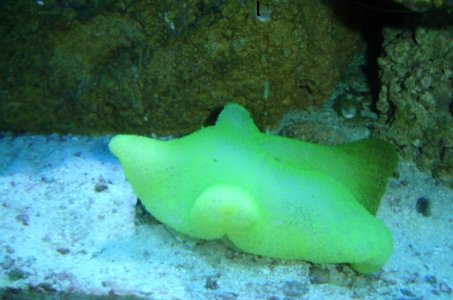
Carpet Id please.
- Thread starter a.stebel
- Start date


reppo13
New member
It's either a bleached haddoni or a deeper collected haddoni meaning that it might be healthy now and that color is from the depth in which it was collected. Is it sticky or not, that will really determine whether or not its bleached. Does it have sorta bubbly tips because if not it might be a deeper collected gigantea.
It's either a bleached haddoni or a deeper collected haddoni meaning that it might be healthy now and that color is from the depth in which it was collected. Is it sticky or not, that will really determine whether or not its bleached. Does it have sorta bubbly tips because if not it might be a deeper collected gigantea.
Last time I checked any anemone with a lack of zooxanthellae is somewhat bleached...
reppo13
New member
Last time I checked any anemone with a lack of zooxanthellae is somewhat bleached...
Yes your right, but in some cases thats as much zooxanthellae that the anemone will get or will ever have hense the deep water collection. This is why you see some neon yellow giganteas or light blue giganteas. One of my buddies has had a neon yellow one for over 6 years and it hasn't changed one bit. Its thriving under mh's.
That's interesting, I've never heard of that before.Yes your right, but in some cases thats as much zooxanthellae that the anemone will get or will ever have hense the deep water collection. This is why you see some neon yellow giganteas or light blue giganteas. One of my buddies has had a neon yellow one for over 6 years and it hasn't changed one bit. Its thriving under mh's.

elegance coral
They call me EC
That doesn't make sense to me. Typically, corals and anemones form deeper/more shaded environments will have more zooxanthellae. The amount of energy that any one zooxanthellae can produce is dependant on the amount of light it receives. In deeper water, the amount of light it receives will be reduced. This means that the host would need to harbor more zooxanthellae in deeper water, in order to obtain the same amount of energy it could acquire with fewer zooxanthellae near the surface. If it was in deeper water, and had fewer zooxanthellae, its ability to acquire vital nutrition would be greatly restricted. Odds of survival for such a haddoni would be very slim IMHO.
That doesn't make sense to me. Typically, corals and anemones form deeper/more shaded environments will have more zooxanthellae. The amount of energy that any one zooxanthellae can produce is dependant on the amount of light it receives. In deeper water, the amount of light it receives will be reduced. This means that the host would need to harbor more zooxanthellae in deeper water, in order to obtain the same amount of energy it could acquire with fewer zooxanthellae near the surface. If it was in deeper water, and had fewer zooxanthellae, its ability to acquire vital nutrition would be greatly restricted. Odds of survival for such a haddoni would be very slim IMHO.
This makes much more sense to me IMHO.

Toddrtrex
Premium Member
That doesn't make sense to me. Typically, corals and anemones form deeper/more shaded environments will have more zooxanthellae. The amount of energy that any one zooxanthellae can produce is dependant on the amount of light it receives. In deeper water, the amount of light it receives will be reduced. This means that the host would need to harbor more zooxanthellae in deeper water, in order to obtain the same amount of energy it could acquire with fewer zooxanthellae near the surface. If it was in deeper water, and had fewer zooxanthellae, its ability to acquire vital nutrition would be greatly restricted. Odds of survival for such a haddoni would be very slim IMHO.
I have to agree. Was trying to think of a way to say the above that would make sense in my current state of mind and I couldn't.

1fishkeeper
Premium Member
I have to agree. Was trying to think of a way to say the above that would make sense in my current state of mind and I couldn't.
I dont think any of us are in the right state of mind doing what were doing. But I would have to give a thumbs up for what EC had to say. When they are deeper then need that extra to make up for the amount of light that they are getting.
Toddrtrex
Premium Member
I dont think any of us are in the right state of mind doing what were doing. But I would have to give a thumbs up for what EC had to say. When they are deeper then need that extra to make up for the amount of light that they are getting.
I was referring to all the pain meds I am on.
 (( back surgery )). Still having a hard time getting proper thoughts out.
1fishkeeper
Premium Member
I did not know Todd. I hope that all turns out well for you I know I have been under the knife more than my fair share.

nikon187
Active member
That doesn't make sense to me. Typically, corals and anemones form deeper/more shaded environments will have more zooxanthellae. The amount of energy that any one zooxanthellae can produce is dependant on the amount of light it receives. In deeper water, the amount of light it receives will be reduced. This means that the host would need to harbor more zooxanthellae in deeper water, in order to obtain the same amount of energy it could acquire with fewer zooxanthellae near the surface. If it was in deeper water, and had fewer zooxanthellae, its ability to acquire vital nutrition would be greatly restricted. Odds of survival for such a haddoni would be very slim IMHO.
100% agree
Similar threads
- Replies
- 3
- Views
- 424

