
You are using an out of date browser. It may not display this or other websites correctly.
You should upgrade or use an alternative browser.
You should upgrade or use an alternative browser.
Dinoflagellates.
- Thread starter DNA
- Start date

Starvin Marvin
New member
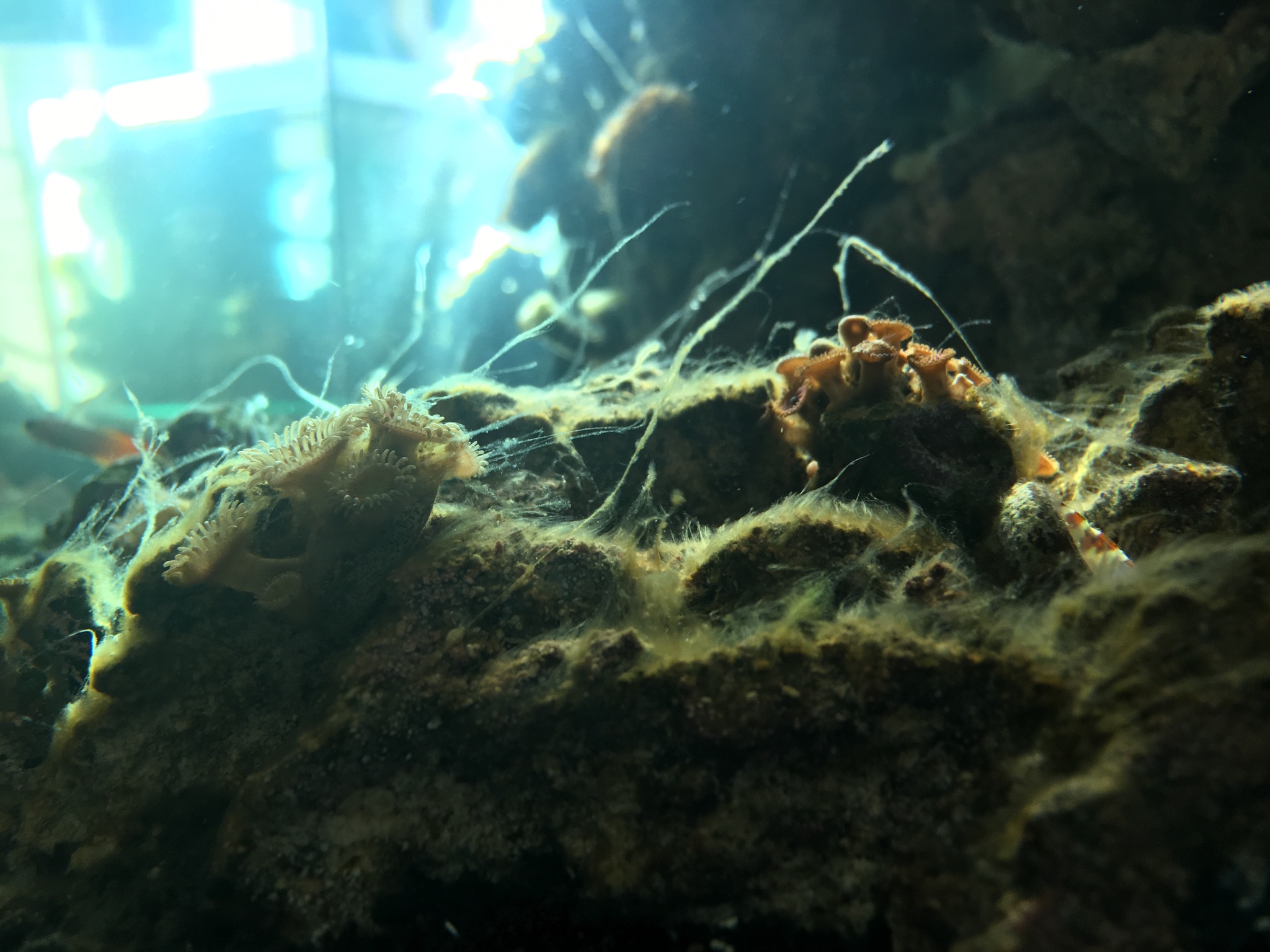
Hey, just wondering if anyone thinks these are Dino's? They grow to the this level in approx 24 hours lately.
I have also been told they could be:
-Diatoms
-Chrysophates
-Golden Algae
-Bacteria Strings
I dose NOPOX daily. Currently 9 mL per day. Which is the dosage for 2.5-10 ppm Nitrates.
I have between 5-8 ppm consistently regardless whether I increase the carbon dosing.
Tank is about 2 months old.
116 gallon water volume. Lots of Rock and Ceramic bricks and Sand.
Lots of flow - enough that I can't go much higher without bothering the livestock.
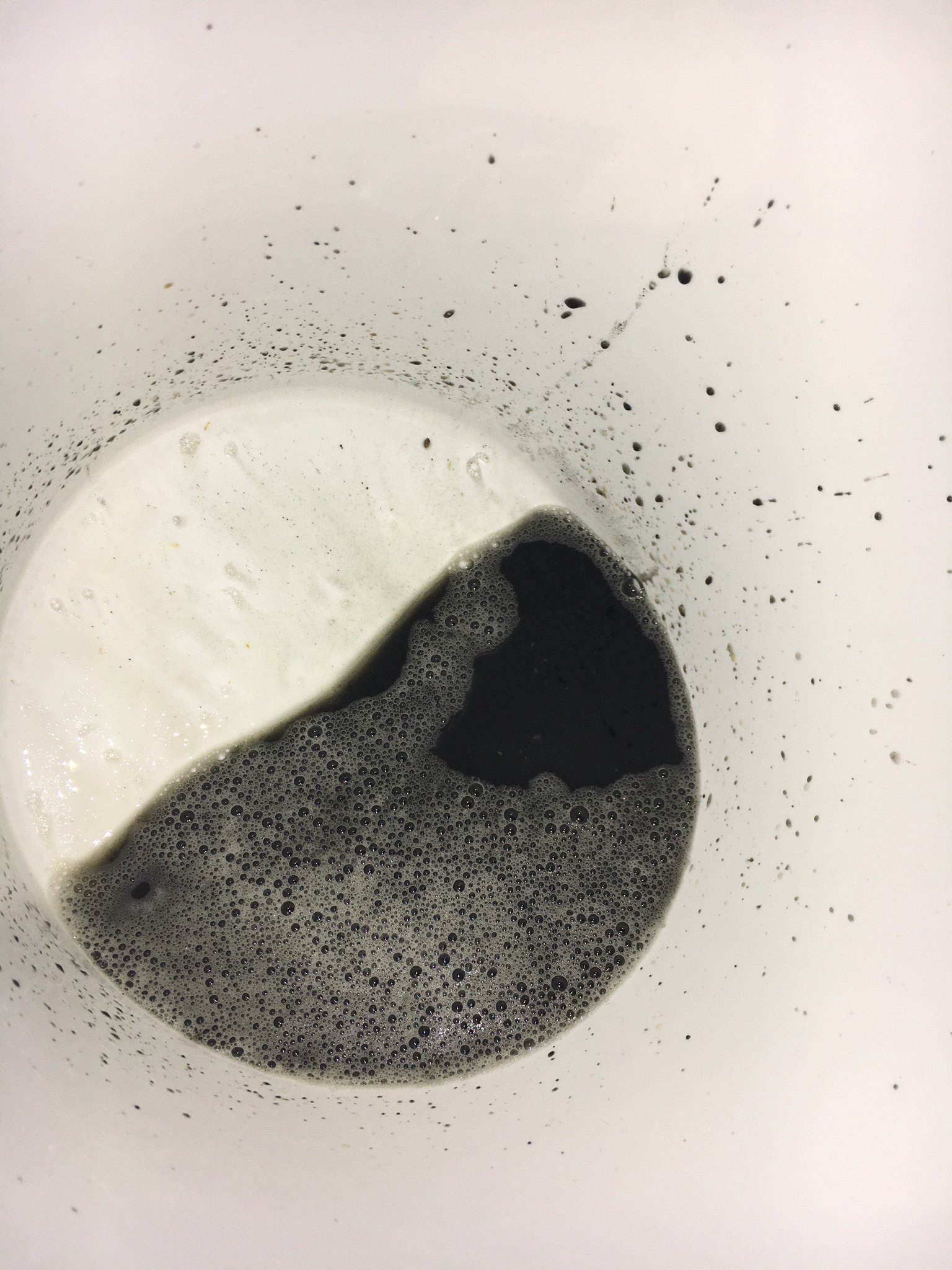
Skimmate is a nasty black that reeks like an old effluent tank on a farm septic system. It stinks the entire house up every time I drain the cup. This has always been the case, even before these weird stringy Algae-type stuff popped up.
For the longest time, maybe 5 weeks, I had zero Algae. I've never had GHA or Cyano or Bryopsis or anything yet, just this stuff.
I run Carbon and UV 24/7 at 100 GPH.
7 minute microscope video:
https://youtu.be/YvSRMoqekr4
Videos showing what it looked like after 24 hours, with daylight spectrum only:
https://youtu.be/ObRV1zE4juA
https://youtu.be/NfpK0vIl3bU
https://youtu.be/RCEXEiGAOys
Here I blow it off with a turkey baster just to illustrate how loose and free this stuff is when you stir it up with a jet of water:
https://youtu.be/QfeAPtXIGpo
It grows on the OUTSIDE of my 200 micron Mesh Filter Socks even with zero light in the sump. It seems to get caught in the filter but some of it passes through and loosely clings there.
If I remove the filter sock from the water, it all falls off and contaminates my skimmer chamber!!! So frustrating.
I syphon it all off daily and it comes back with a vengeance.
Thanks!!!
The sample for the microscope video above:
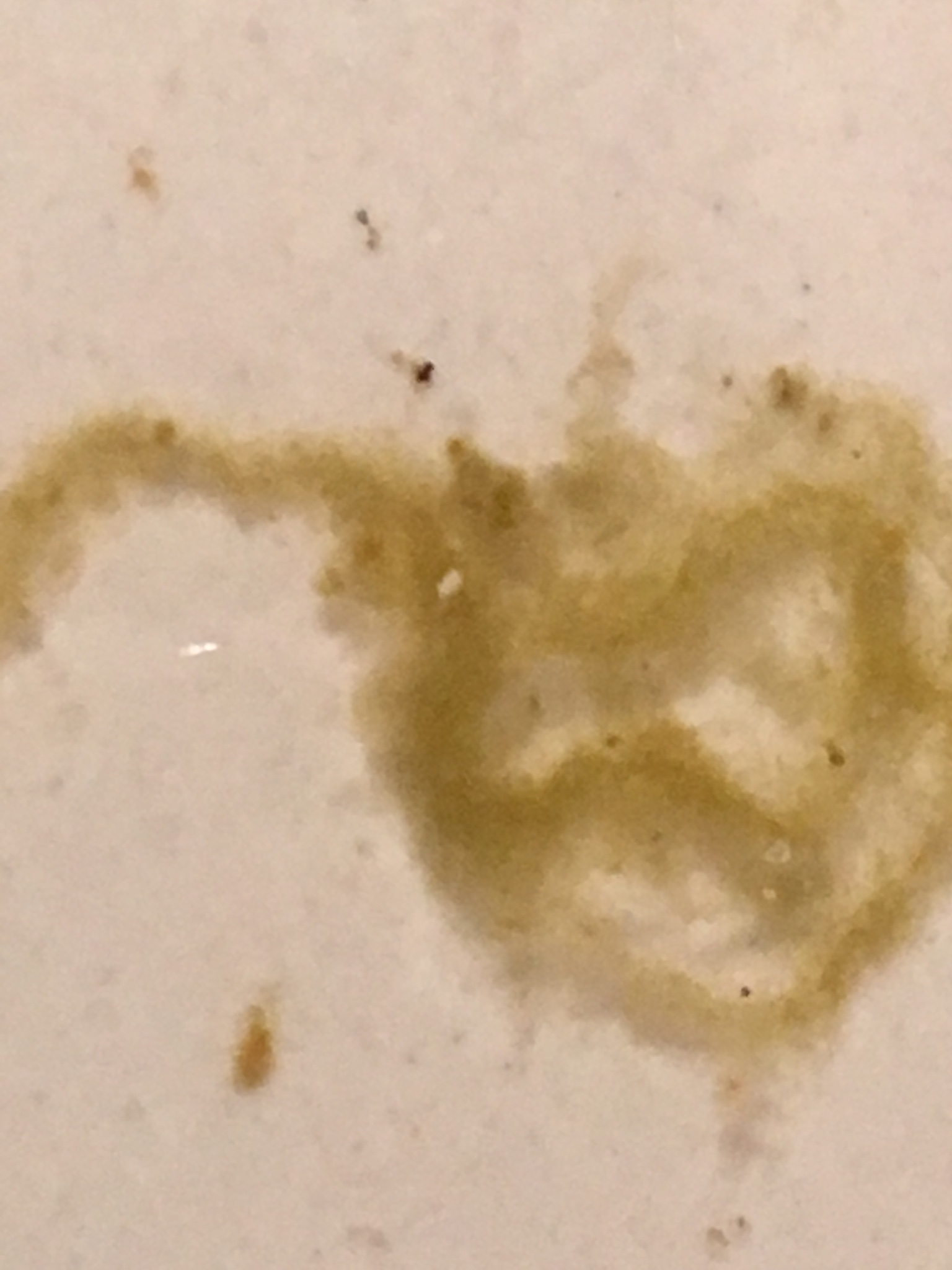
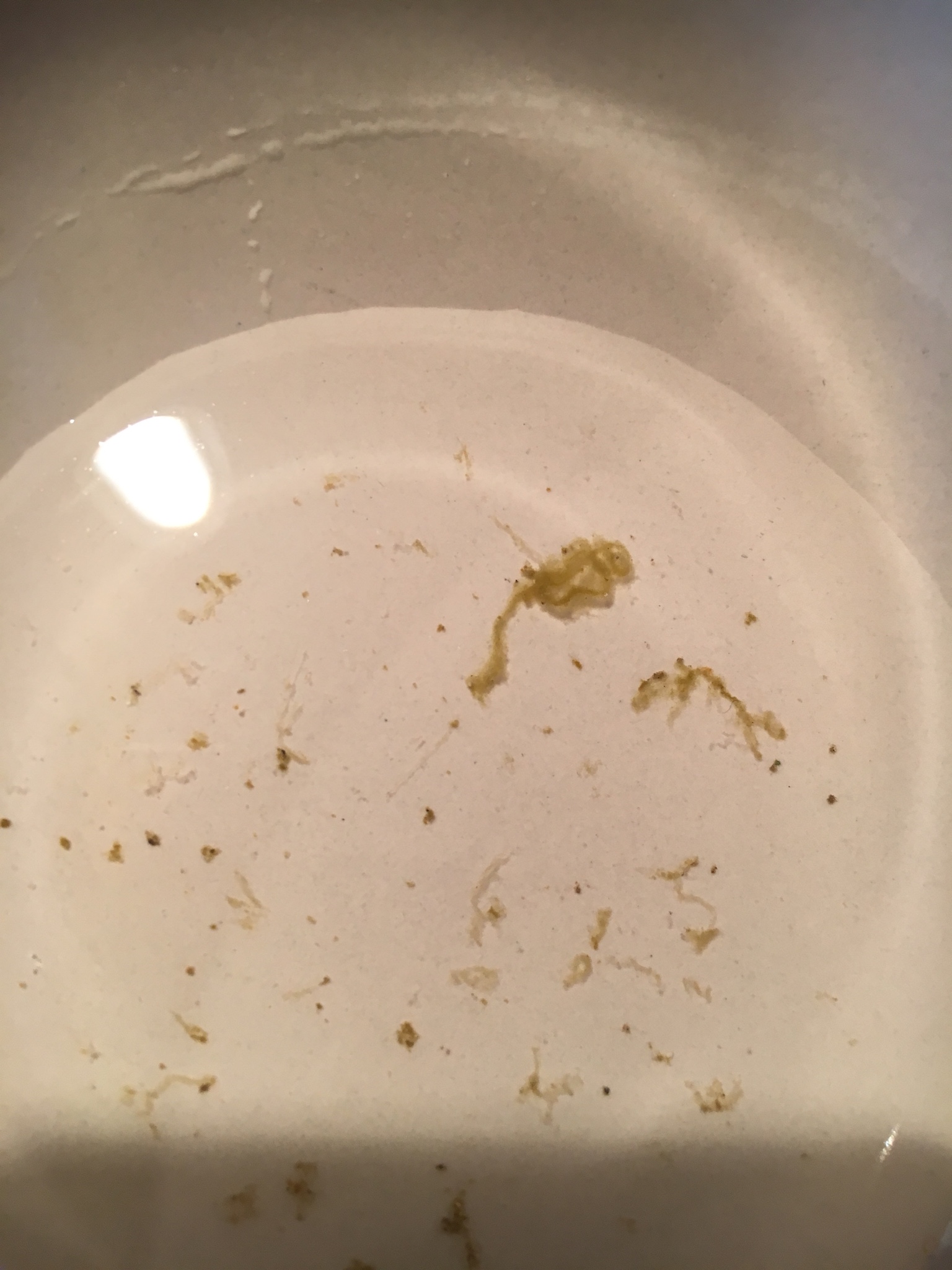
Skimmate:
Pics in daylight:
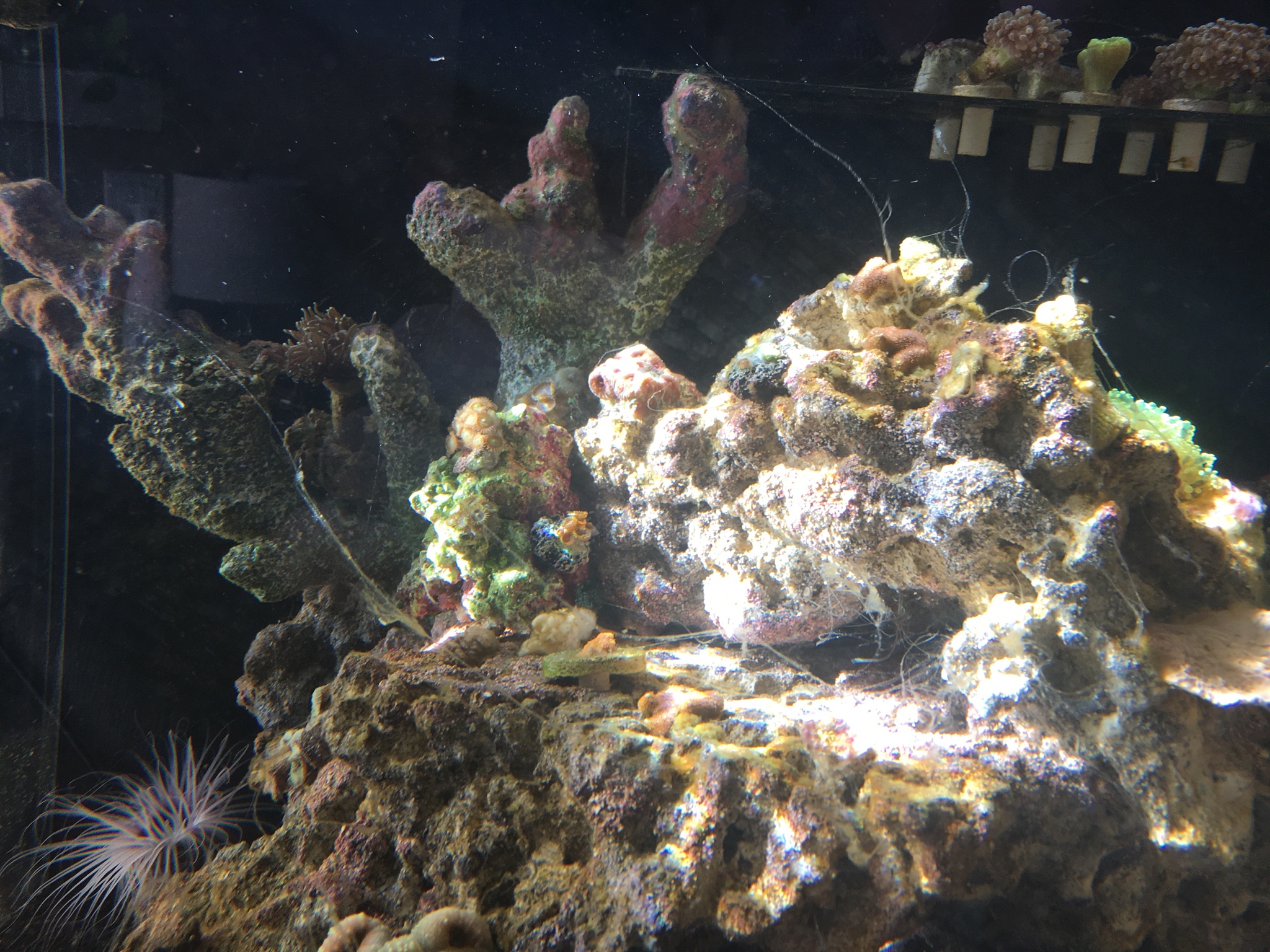
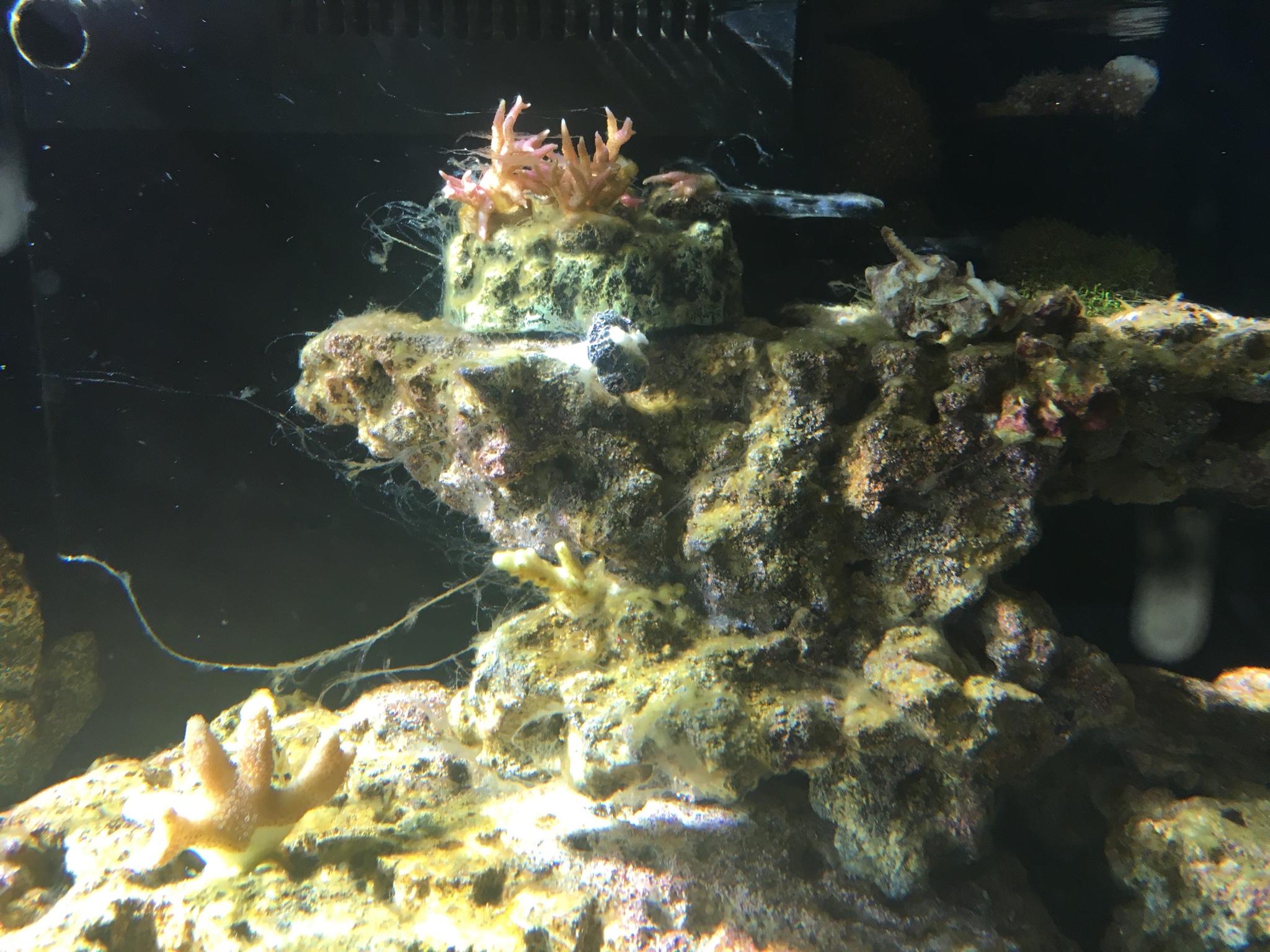

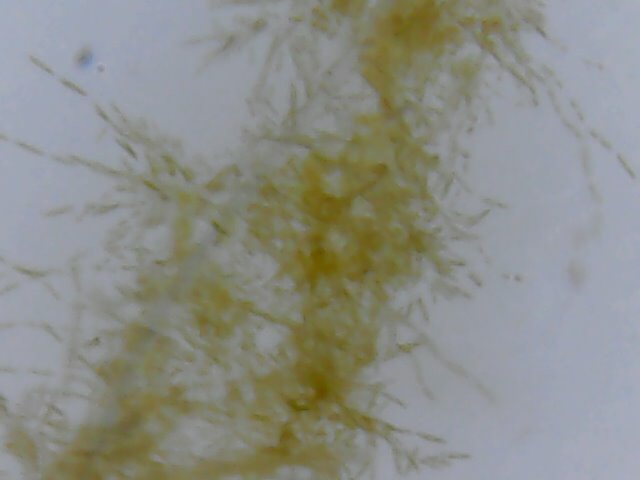
Sent from my iPhone using Tapatalk
I have also been told they could be:
-Diatoms
-Chrysophates
-Golden Algae
-Bacteria Strings
I dose NOPOX daily. Currently 9 mL per day. Which is the dosage for 2.5-10 ppm Nitrates.
I have between 5-8 ppm consistently regardless whether I increase the carbon dosing.
Tank is about 2 months old.
116 gallon water volume. Lots of Rock and Ceramic bricks and Sand.
Lots of flow - enough that I can't go much higher without bothering the livestock.
Skimmate is a nasty black that reeks like an old effluent tank on a farm septic system. It stinks the entire house up every time I drain the cup. This has always been the case, even before these weird stringy Algae-type stuff popped up.
For the longest time, maybe 5 weeks, I had zero Algae. I've never had GHA or Cyano or Bryopsis or anything yet, just this stuff.
I run Carbon and UV 24/7 at 100 GPH.
7 minute microscope video:
https://youtu.be/YvSRMoqekr4
Videos showing what it looked like after 24 hours, with daylight spectrum only:
https://youtu.be/ObRV1zE4juA
https://youtu.be/NfpK0vIl3bU
https://youtu.be/RCEXEiGAOys
Here I blow it off with a turkey baster just to illustrate how loose and free this stuff is when you stir it up with a jet of water:
https://youtu.be/QfeAPtXIGpo
It grows on the OUTSIDE of my 200 micron Mesh Filter Socks even with zero light in the sump. It seems to get caught in the filter but some of it passes through and loosely clings there.
If I remove the filter sock from the water, it all falls off and contaminates my skimmer chamber!!! So frustrating.
I syphon it all off daily and it comes back with a vengeance.
Thanks!!!
The sample for the microscope video above:
Skimmate:
Pics in daylight:
Sent from my iPhone using Tapatalk

jjencek
New member
Marine snow
Enviado desde mi 8050G mediante Tapatalk
I have tried Marine snow (3 ml per 60 l) plus ZEO bak for 6 weeks. It did not seem to do much.
jjencek
New member
I have tried Marine snow (3 ml per 60 l) plus ZEO bak for 6 weeks. It did not seem to do much.
Sorry meant to say 60 gals.
So true. Thanks for the sanity check.I wouldn't confuse their roles.
No movement in any video and a thin elongated pointy cell shape embedded in strings. NOT dinos.Hey, just wondering if anyone thinks these are Dino's? They grow to the this level in approx 24 hours lately.
Chrysophytes and golden algae usually used synonymously. Bacterial strings don't have individual cells nearly as big as shown.I have also been told they could be:
-Diatoms
-Chrysophates
-Golden Algae
-Bacteria Strings
Chrysophyte
Check out google image search for dinobryon - a kind of chrysophyte

Diatom (so weird calling these strings a diatom, but....)
Google image for pseudo-nitzschia
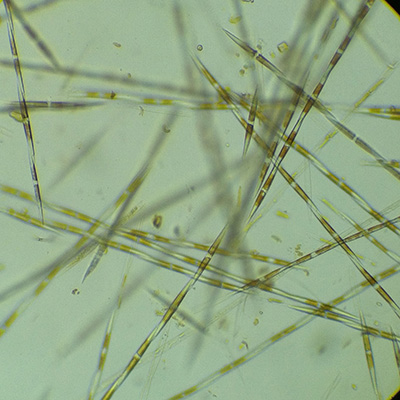
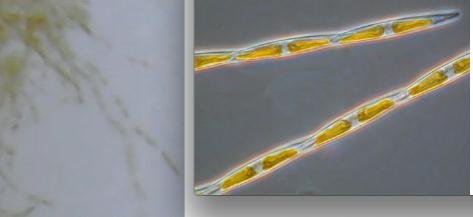
Scope pics of cells not detailed enough to be definitive, but kinda leaning toward the diatom.
young tank, and weird substrates - maybe diatom is not crazy.Tank is about 2 months old.
116 gallon water volume. Lots of Rock and Ceramic bricks and Sand.
edit: on 2nd look... in the top right of your pic, you can make out within the individual cells stitched together in the chain two pigmented areas with a clear section between. Really makes the pseudonitzschia diatom look like a good ID. See attachment.
Attachments

karimwassef
Active member
Stringy floating diatoms?? Weird
Starvin Marvin
New member
young tank, and weird substrates - maybe diatom is not crazy.
Hey thank you for the detailed response!
But what did you mean by "weird" substrates? Were you referring to my choice of Sand? Or is that term also used in referring to the Diatoms themselves somehow?
edit: on 2nd look... in the top right of your pic, you can make out within the individual cells stitched together in the chain two pigmented areas with a clear section between. Really makes the pseudonitzschia diatom look like a good ID. See attachment.
Ok - pseudo-nitzschia nunfortunately is only referenced online in regards to toxic blooms found in the wild and their affects on human consumption of shellfish, etc.
From my findings, it seems it's never come up and been publicly posted where Google can find it, within an aquarium.
Would you happen to know if the typical advice for Diatom removal would apply?
Would you have any specific recommendations?
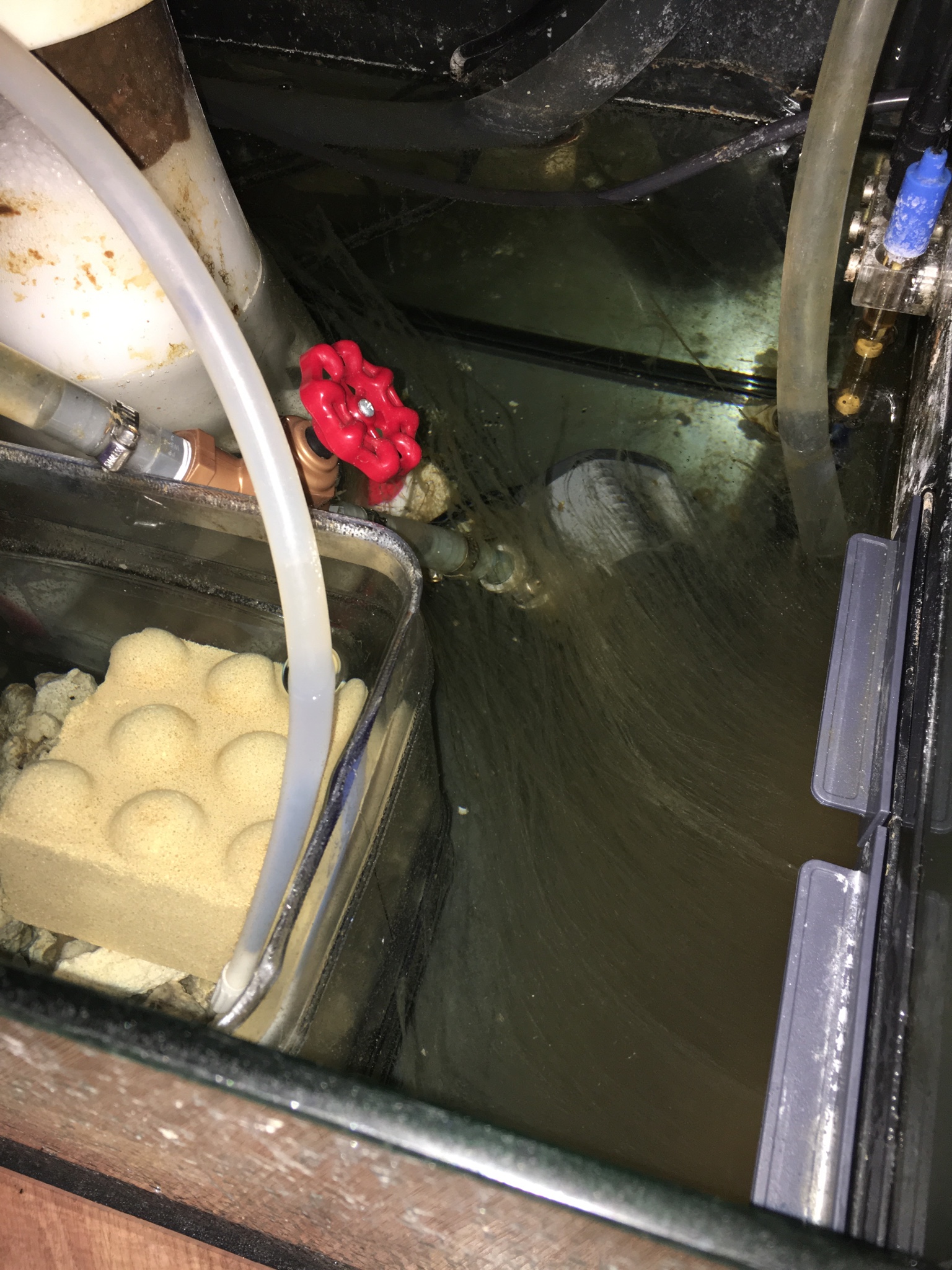
I got fed up with it because yesterday I opened my sump cabinet and it had taken over my entire sump. It was like a Diatom pudding, it was stuck to the outside of my Filter Socks and thick strings of it were hanging around, stagnant in the slow moving sump water, stuck to the protein skimmer body, the probes, everywhere water wasn't quickly moving.
I syphoned almost the entire sump out, and then decided to rig up my UV return pump in a bucket and then target syphon the "new growth" from the tank rocks and substrate directly into a filter sock in the bucket. From there, the only way back into the tank was through the UV return pump which I theorized would kill any Diatom cells still in the water column.
Did this for about 4 hours, and I swear by the time I reached 1 end of the 5-foot tank, it has re-grown on the opposite end and I had to start over again.
Eventually it diminished to the point that I was only seeing short strands and light coatings, and put everything back in place.
This morning I woke up and found a little more growth but no "crazy explosion overgrowth".
I wanted to specifically mention that I have a 90 watt grown bulb in my sump that I keep OFF because I don't run a refugium any more.
I turned it ON last night to help me see while syphoning the sump. And I forgot to turn it off all night.
In the morning, I see nothing building up down there in the way of Diatoms, which normally there would be.
So I can theorize only 2 possibilities:
(1) I removed so much of it that the population was decimated enough that it could not bloom quickly again overnight, or
(2) The intense light somehow prevented it from blooming in the sump.
But I have no idea, I would have thought light would encourage Diatoms.
Appreciate the input thus far!
Sent from my iPhone using Tapatalk
Dunno what ceramic bricks are, but if those or your rock or sand have silica, could be encouraging diatoms.
Not what you are looking for, but we've established it isn't dinos. So why not relax on the nopox, 24/7 UV, carbon, filter socks etc.
Why not let your tank progress through its normal early ugly stage?
At least if everything doesn't clear up, it's likely what you'll have will be normal stuff that everyone gets.
Sent from my SAMSUNG-SGH-I337 using Tapatalk
Not what you are looking for, but we've established it isn't dinos. So why not relax on the nopox, 24/7 UV, carbon, filter socks etc.
Why not let your tank progress through its normal early ugly stage?
At least if everything doesn't clear up, it's likely what you'll have will be normal stuff that everyone gets.
Sent from my SAMSUNG-SGH-I337 using Tapatalk
karimwassef
Active member
Maybe more flow and skimming would help to rip it off the rocks and remove it as organic waste
To revisit the discussion on pods for a moment. I thought this pic I took today illustrates Karim's point.
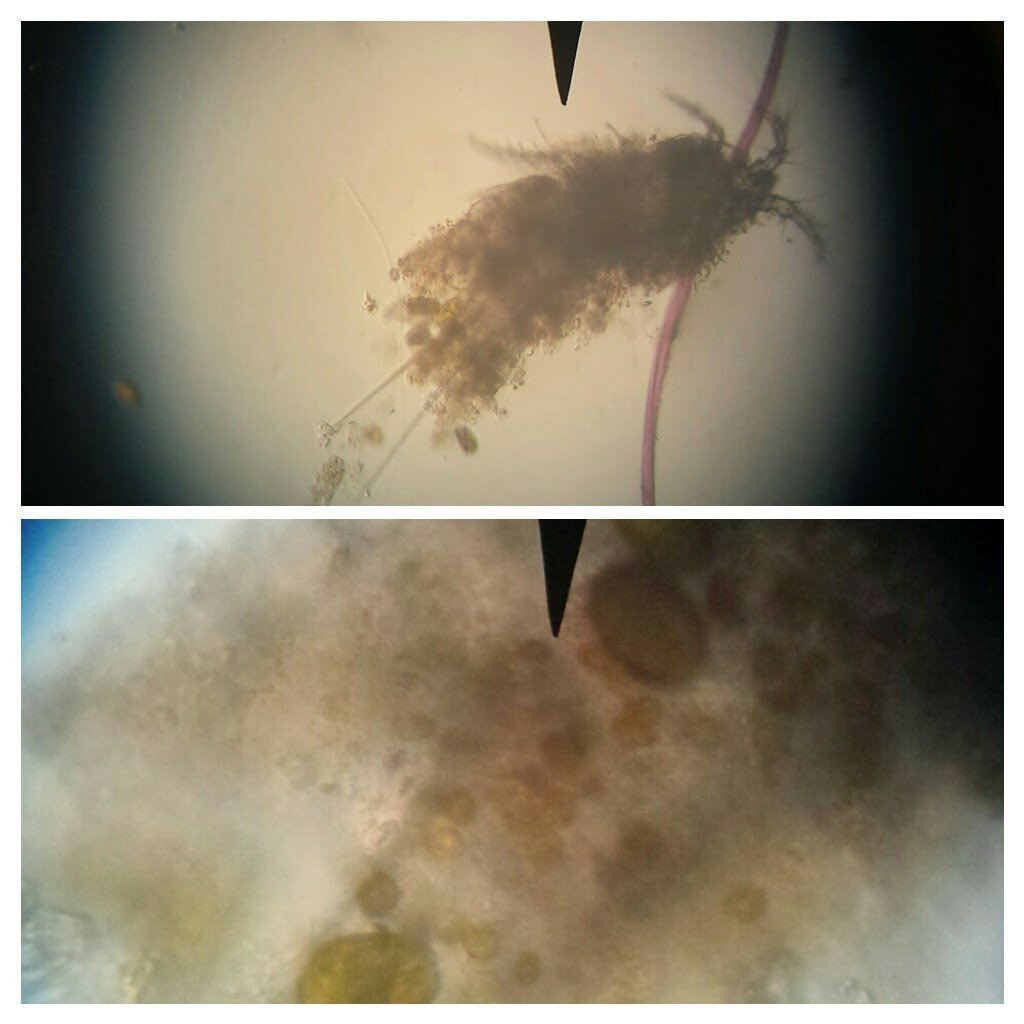
This is a LIVE copepod, who was swimming and crawling vigorously, despite being totally encased in dino mucous with prorocentrum dinos sticking all over.
Pod is not winning that battle.
This is a LIVE copepod, who was swimming and crawling vigorously, despite being totally encased in dino mucous with prorocentrum dinos sticking all over.
Pod is not winning that battle.
Starvin Marvin
New member
Dunno what ceramic bricks are, but if those or your rock or sand have silica, could be encouraging diatoms.
Hey,
Just an update.
Ceramic Bricks I have are MarinePure and Xport Brick, they are essentially porous media designed to house nitrifying Bacteria that thrive in the absence of oxygen.
I have them in all my tanks but only have Diatoms in this tank, and I tested Silicate with a Seachem kit and came back negative on tap water, RO water, and tank water. But the kit was sketchy I'll admit. Instructions such as "dip dry stick into powder until it has a light coating then stir the water briefly with it"...
Tank update:
I've been blowing it all off the rocks and have tripled my tank flow. Gyre is at 100% intermittently now and added a 3rd powrhead. Sand is flying everywhere.
It's helping. Most of the Diatom growth is now restricted to "strings" about 1-2" long at most. I guess they can't hold together past that with the turbulent water. But it's still growing.
The Filter Socks are essentially growing Diatom Spaghetti that extends out into half the Skimmer chamber.
I am syphoning that into a bucket, running that bucket through my UV sterilizer, then back through a filter sock into my sump Skimmer chamber and letting the Skimmer run for 30 minutes before turning the system back on to the display tank.
Seems to be improving. I don't know if this is any better than just dumping the water and topping up with 5 Gal of fresh. But I'm trying to avoid "water changes" to prevent any possible silicate additions.
Seems kind of silly now that I write that down. But my nitrates have not increased as a result of this behaviour, yet.
I'll keep working to control it.
I'm also dosing 1 mL per 10 gallons of H2O2 to the sump while I'm cleaning it out with the UV procedure.
I can't let the tank be "ugly" for 2 reasons.
(1) Wife said No.
(2) It seems to kill/irritate my corals and mushrooms when it gets out of control in the display tank.
But knowing it's Diatoms for sure has been a great relief. Thank you.
Sent from my iPhone using Tapatalk
Starvin Marvin
New member
Since I know I don't have Dino's now, this will be my last post on this thread about this issue. Just wanted to leave you wish a couple pics of my Diatom Farm in my sump. I'm hoping I can ride this out while confining "most" of them to the sump area until the food source has been used up. Appreciate the info!
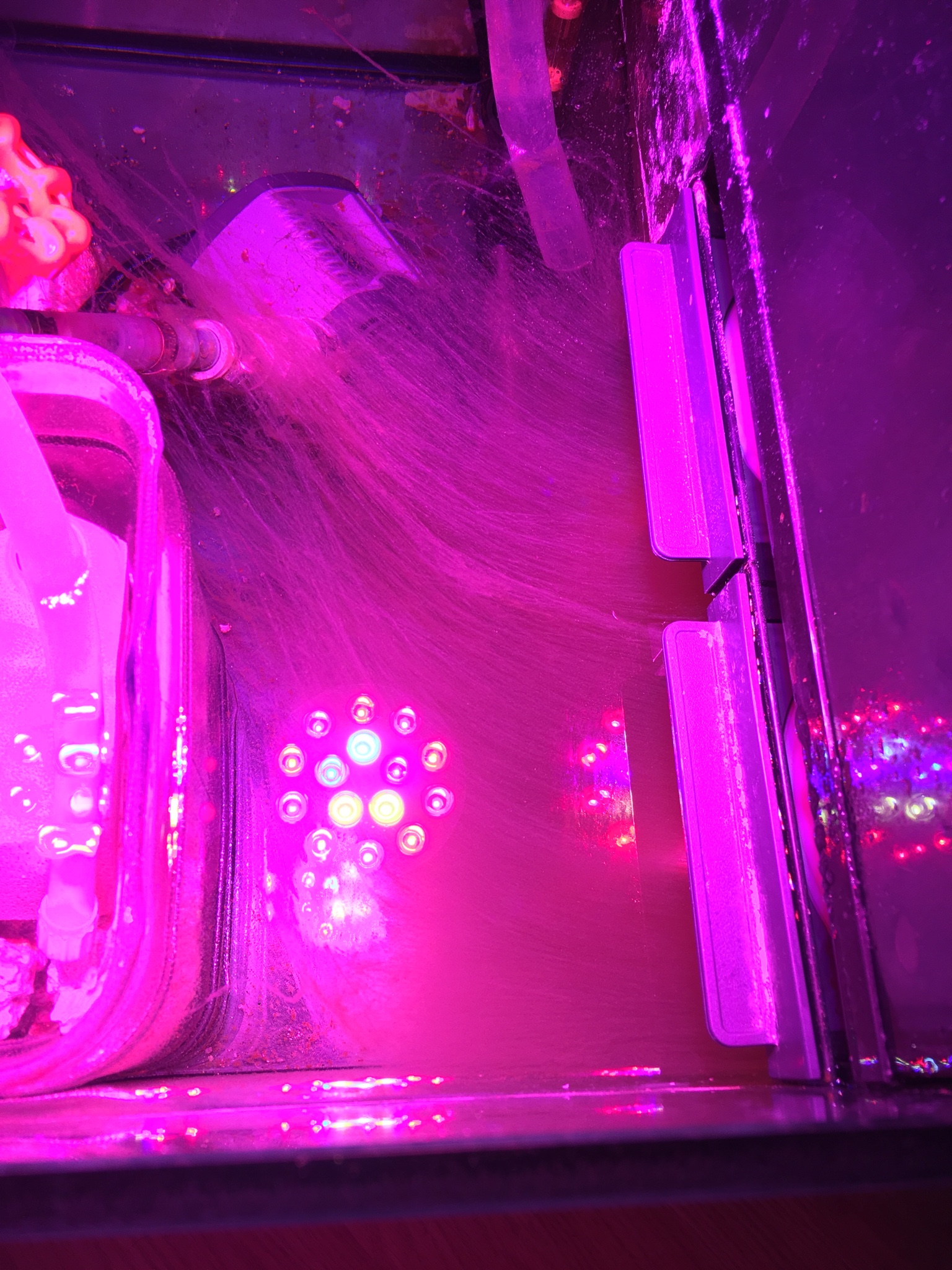
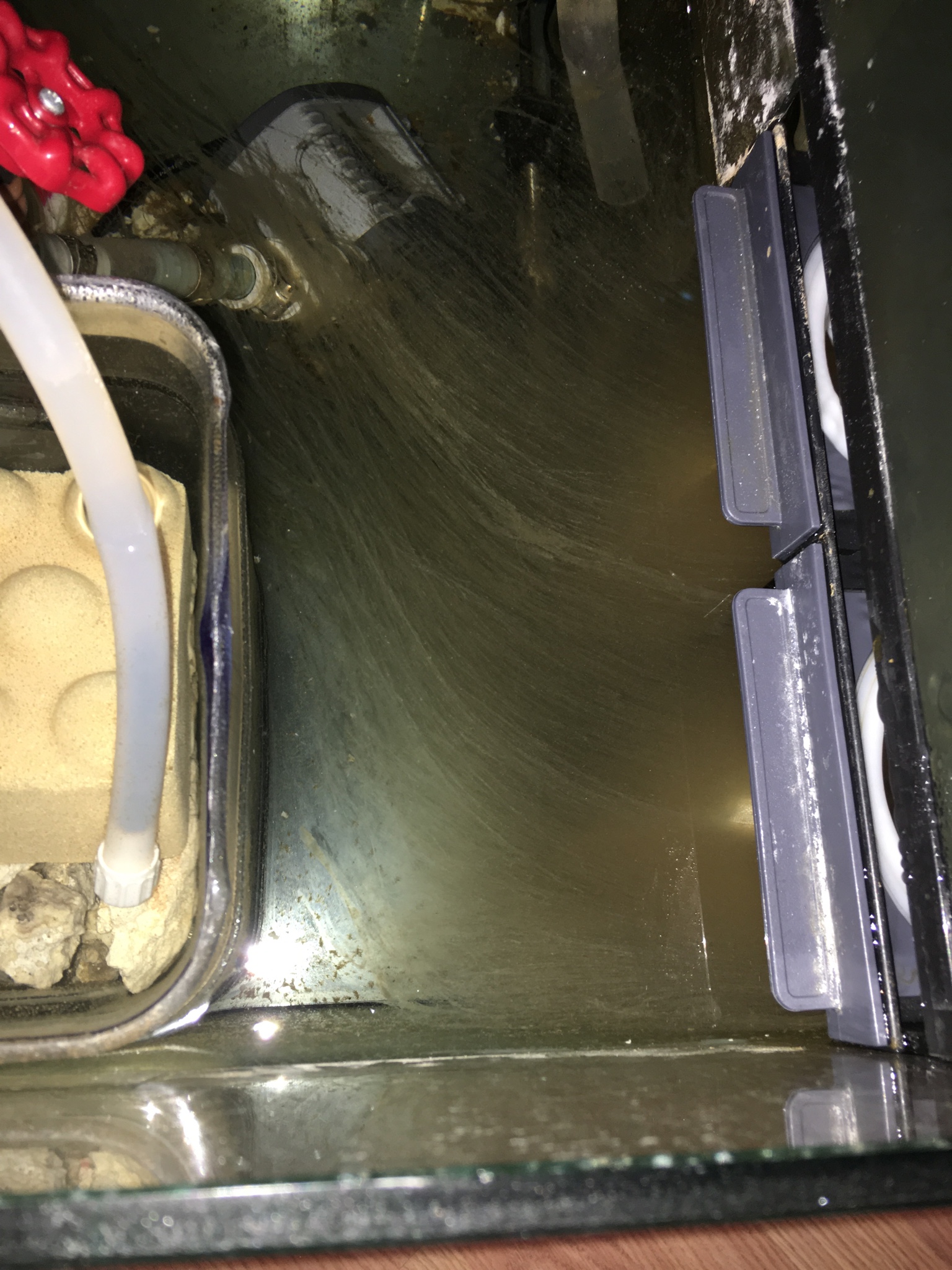
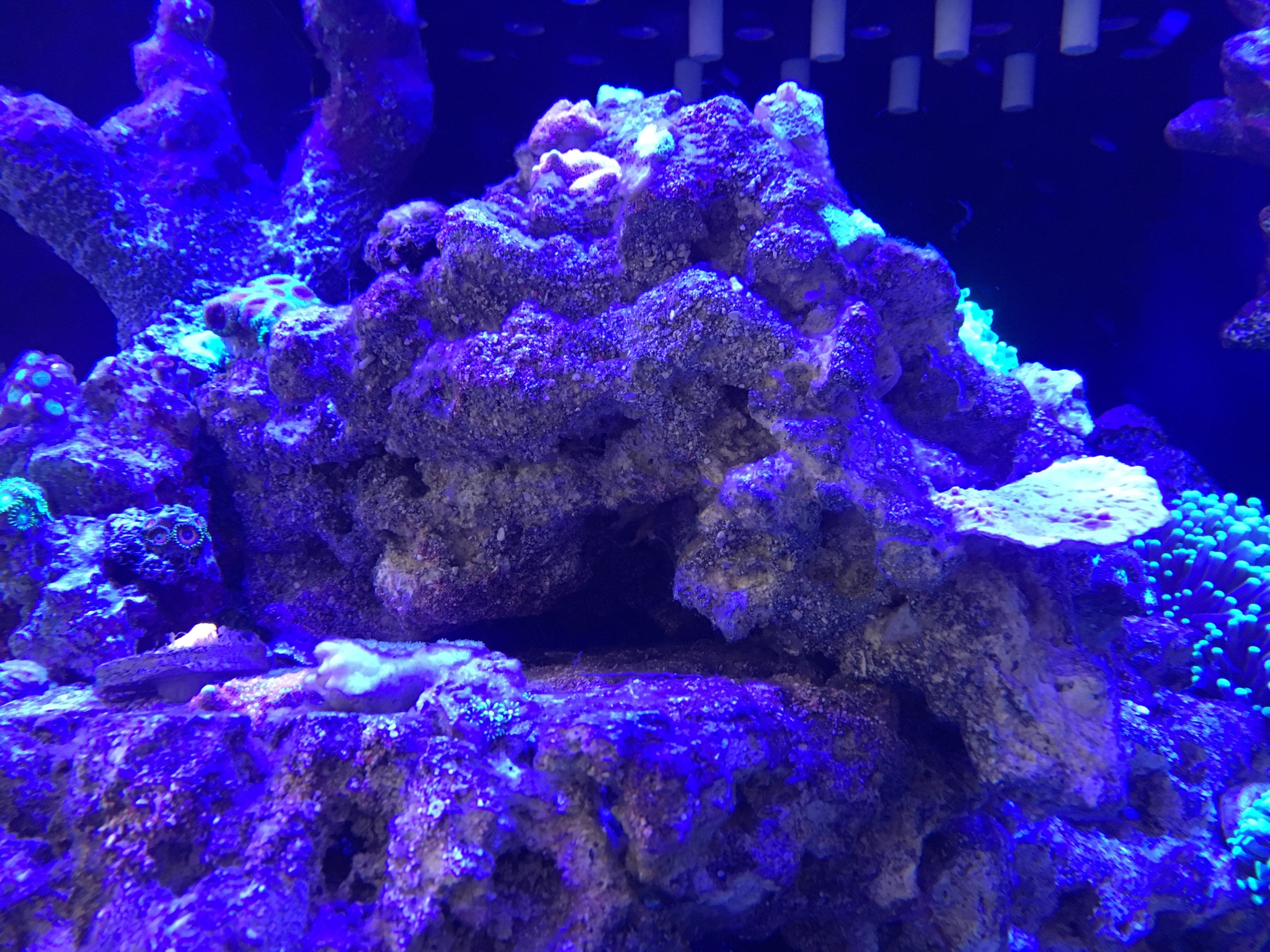
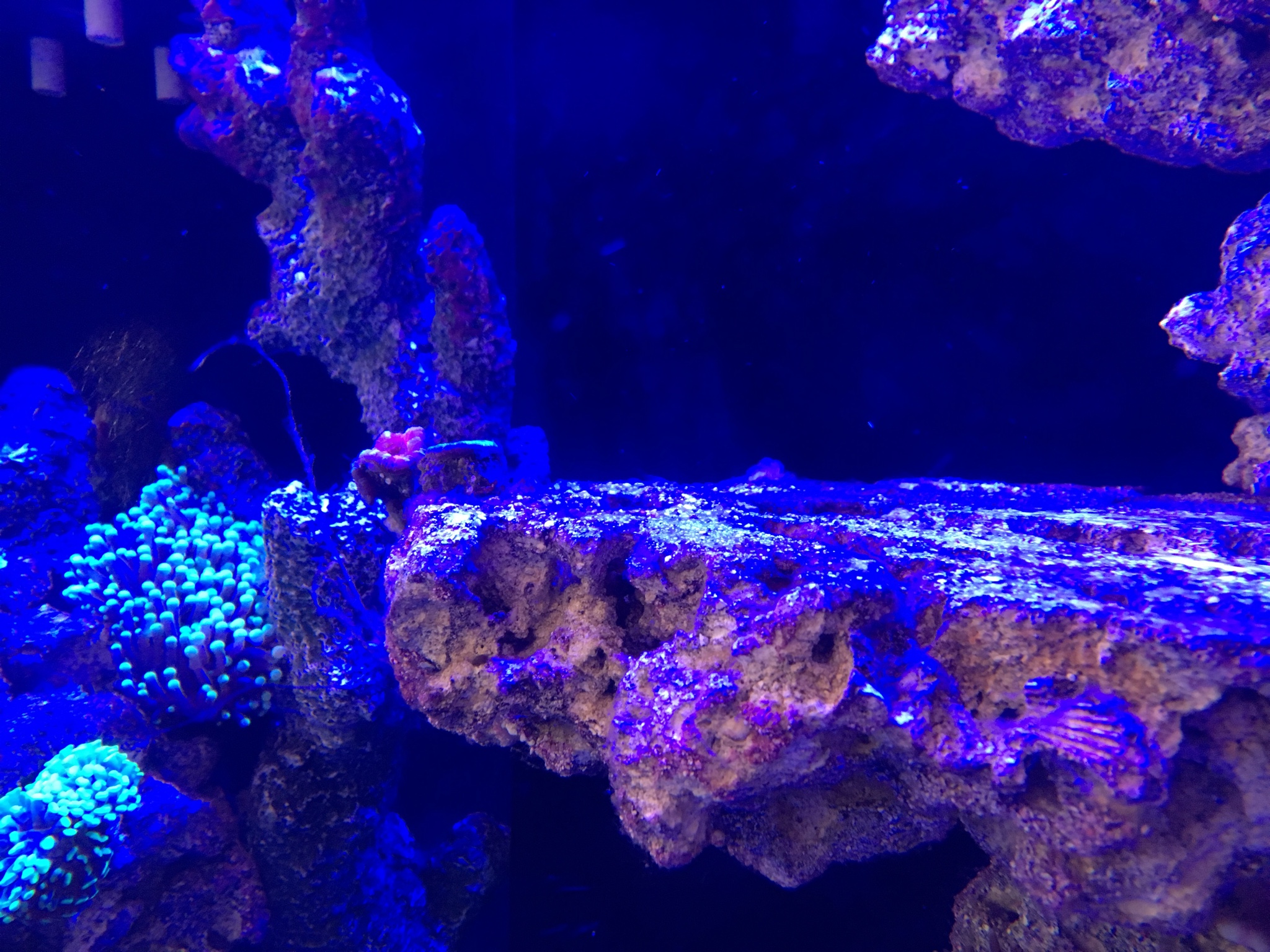
There are still some strands growing in the tank. But it's manageable so far with a turkey baster and increased flow.
Sent from my iPhone using Tapatalk
There are still some strands growing in the tank. But it's manageable so far with a turkey baster and increased flow.
Sent from my iPhone using Tapatalk
robertifly
Premium Member
Starvin, first thing I noticed that there weren't any bubbles in the strands in the tank, dino I had did definitelyhave bubbles. I don't understand what that is in your overflow and sump but I think if it was mine I would try and clean it up, I mean really.
Starvin Marvin
New member
I think if it was mine I would try and clean it up, I mean really.
Hey,
I know what you mean - but I've cleaned it out spotless many times and it's back like that within 24-48 hours lol.
Sent from my iPhone using Tapatalk
Dinoflagellates.
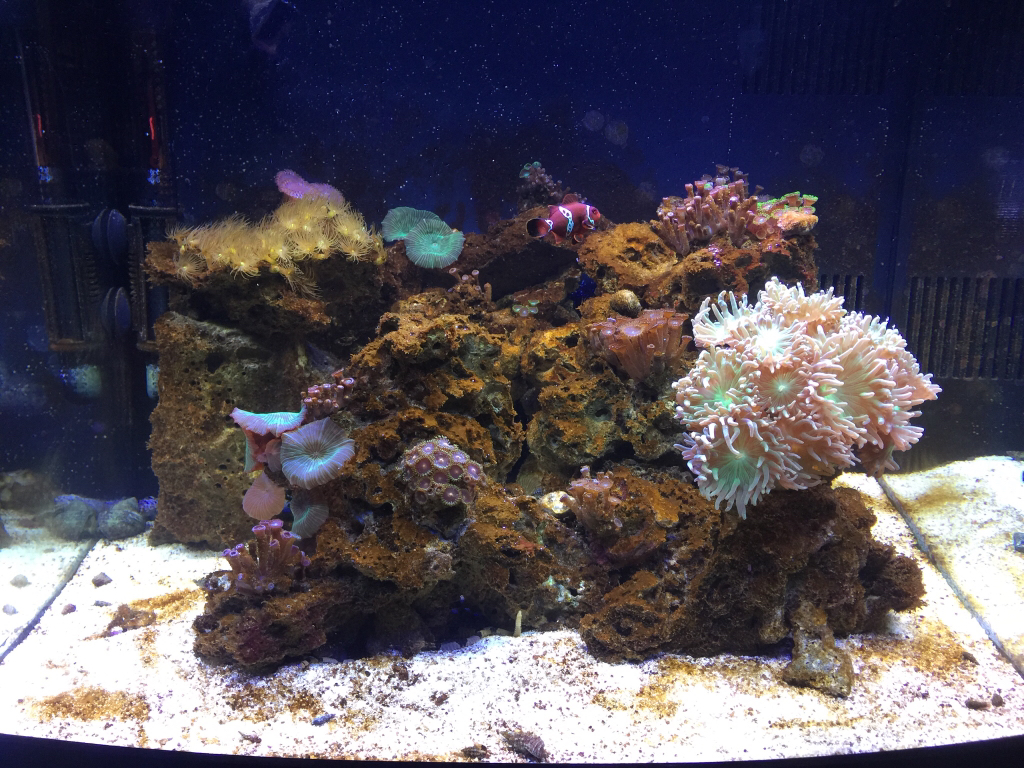
My update... a few weeks of UV sterilization, skimming and adding the algae scrubber (it is finally growing some algae). I have not done anything else (no medications, H202,etc). My tank seems to have some remnants of dinos... but not nearly as before. I check with a quick hit of my baster and no evidence of the dust of dinos as before. I honestly have little evidence of them at all. Now I still need to get some coralline algae going.. I need to focus on calcium etc more.
Now:

Before:
Just to reiterate: my 1200x microscope of my critters: https://youtu.be/M6D3FcOv8SY
My update... a few weeks of UV sterilization, skimming and adding the algae scrubber (it is finally growing some algae). I have not done anything else (no medications, H202,etc). My tank seems to have some remnants of dinos... but not nearly as before. I check with a quick hit of my baster and no evidence of the dust of dinos as before. I honestly have little evidence of them at all. Now I still need to get some coralline algae going.. I need to focus on calcium etc more.
Now:
Before:
Just to reiterate: my 1200x microscope of my critters: https://youtu.be/M6D3FcOv8SY
karimwassef
Active member
great progress!

trmiv
Active member
So for me adding the UV sterilizer was the best decision I've made. My tank was overrun with dinos. My pics of them under the microscope are in this thread somewhere. They were everywhere. Coated every surface. They killed almost all my snails, my urchin, a lot of my corals. The corals they didn't kill were badly impacted and stopped opening. As I said previously in this thread I was ready to give up and tear down the tank. Luckily my laziness in actually doing the tear down got in the way and i decided to just try UV
So I bought the 24w green killing machine from Drs foster and smith and stuck it in the tank. At that time I also blew off most of the dinos and sucked out what I could. It's now three weeks later and my tank is 98% Dino free. The rocks still get very tiny patches during the day that I blow off, as does the sand. But the corals are now opening and recovering. Amazingly I had two snails left and they are active again. I'm a believer in UV for fighting my dinos. Just an amazing turn around. Now I'm actually debating getting another UV unit I can plumb into my sump and keep it running all the time since this in-tank unit isn't great looking. I'm scared to not have UV now though. I'll probably keep the in-rank one around for spot duty.
Next step is getting the money together for an algae scrubber and get some natural competition going for the dinos. Need to figure out which one I'm going to get.
So I bought the 24w green killing machine from Drs foster and smith and stuck it in the tank. At that time I also blew off most of the dinos and sucked out what I could. It's now three weeks later and my tank is 98% Dino free. The rocks still get very tiny patches during the day that I blow off, as does the sand. But the corals are now opening and recovering. Amazingly I had two snails left and they are active again. I'm a believer in UV for fighting my dinos. Just an amazing turn around. Now I'm actually debating getting another UV unit I can plumb into my sump and keep it running all the time since this in-tank unit isn't great looking. I'm scared to not have UV now though. I'll probably keep the in-rank one around for spot duty.
Next step is getting the money together for an algae scrubber and get some natural competition going for the dinos. Need to figure out which one I'm going to get.

jd371
New member
Awesome! I took my UV offline a few months ago because of a space issue. I'm adding it back this weekend.So for me adding the UV sterilizer was the best decision I've made.
I am just curious whether the people suffering from dino check their RO out put with conductivitymeter but not with TDS meter?
One should read 000 microsiemens but not even 001.
Root causes should be eleminated at first?
In most case people are going with TDS meter but around 005 - 006 microsiemens.
After reading at all, I saw nobody to check their RO supply..
While I feel very sorry for some people closing their tanks while feel very happy for some
who are very decisive to continue their war..
Greetings,
Ali.
One should read 000 microsiemens but not even 001.
Root causes should be eleminated at first?
In most case people are going with TDS meter but around 005 - 006 microsiemens.
After reading at all, I saw nobody to check their RO supply..
While I feel very sorry for some people closing their tanks while feel very happy for some
who are very decisive to continue their war..
Greetings,
Ali.
Similar threads


- Replies
- 67
- Views
- 796

