GHA... worry or let it run it's course?

meverha1

New member
At what point during the maturing process of a tank should I begin to worry about Green Hair Algae?

110 gallon tank has been up and running since late September. It contains 100 lbs of "live" (i.e. uncooked rock direct from a supplier) and 50 lbs of "dry" rock from reefcleaners.

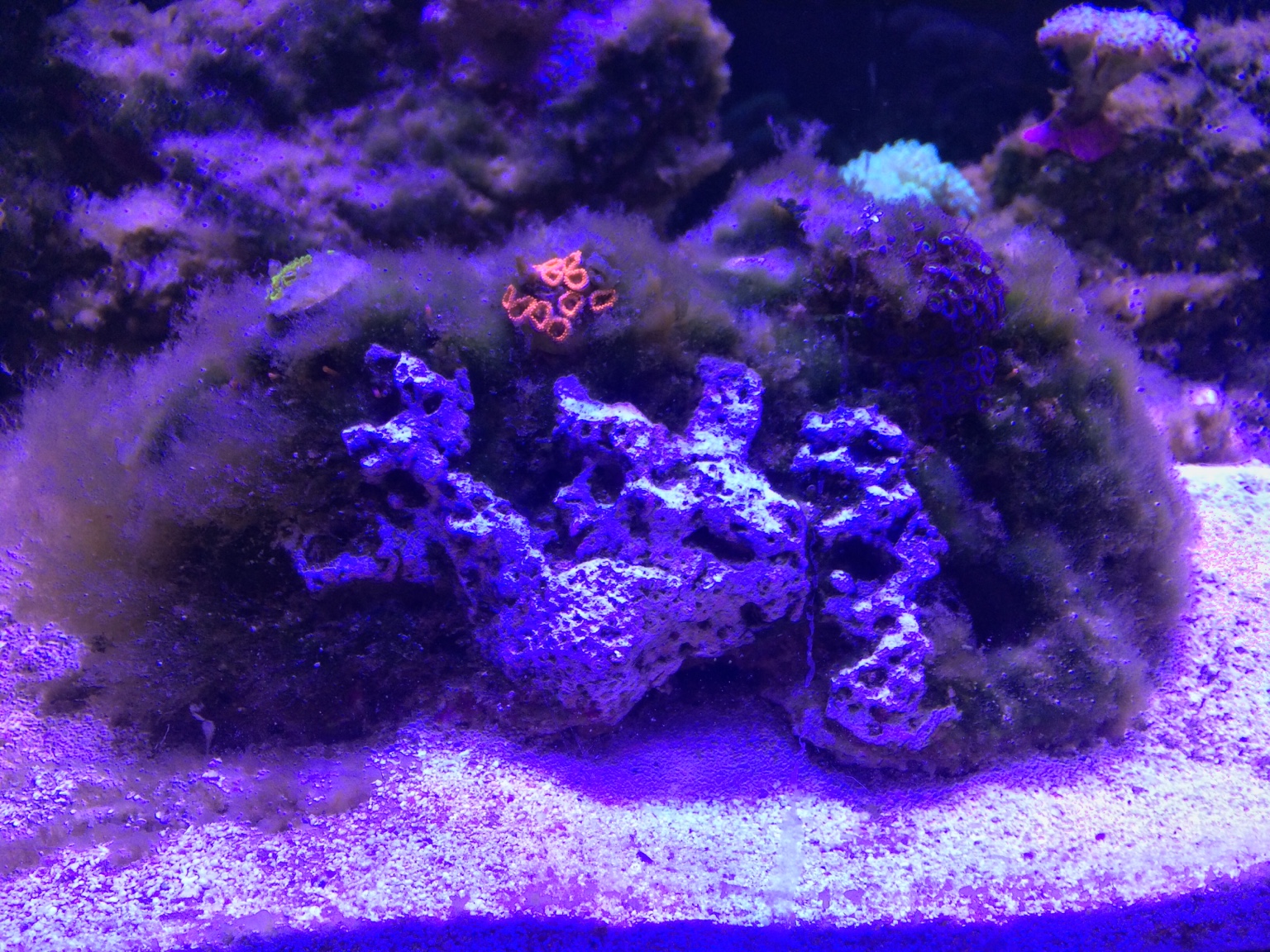
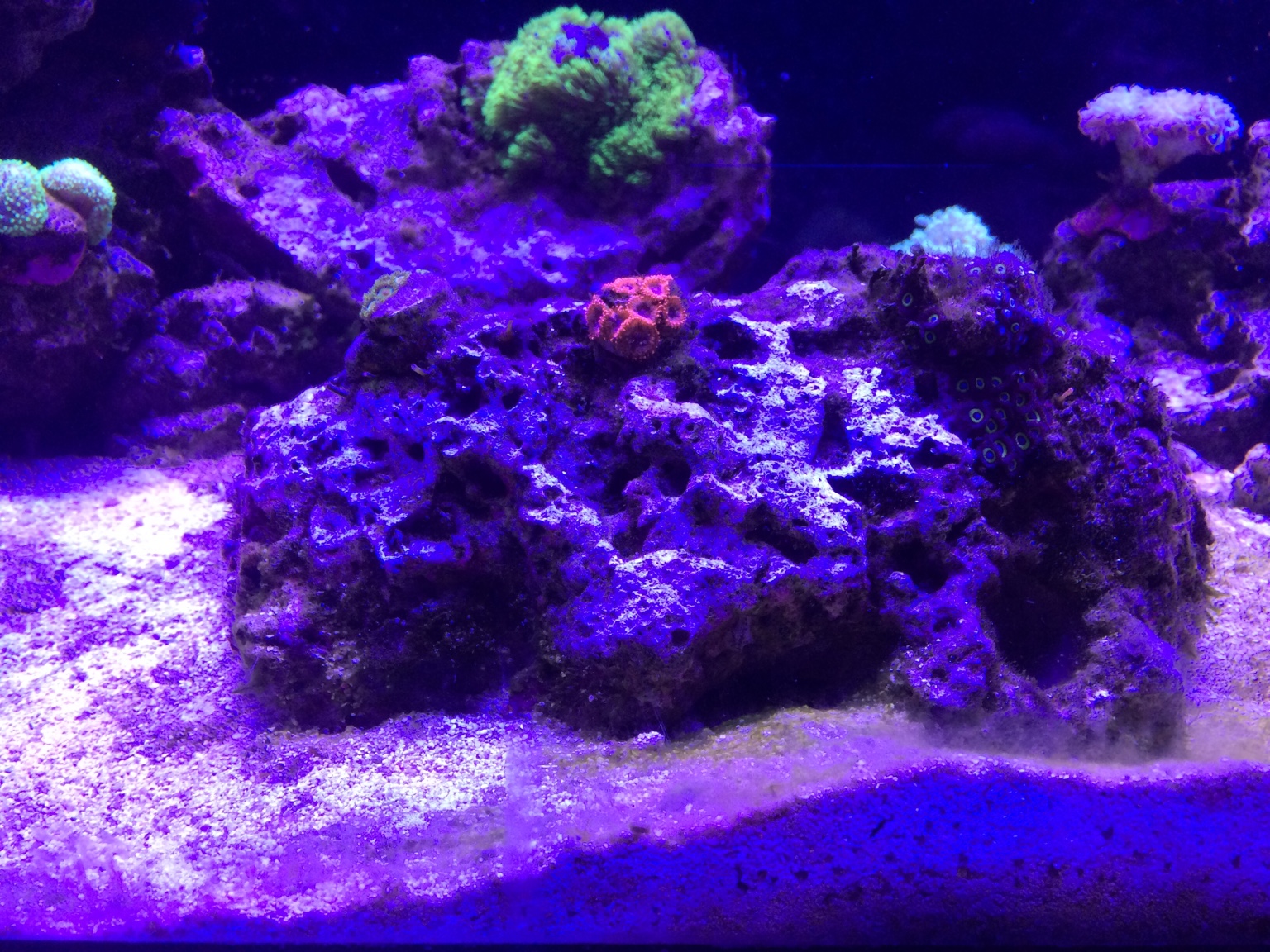
For the past week or two I've noticed an outbreak of GHA on the uppermost rocks in the tank (the ones that get the most light). I haven't really done much about it yet because it's serving as great breeding ground for copepods.

My levels are "normal" except for high nitrate levels. Phosphate doesn't register at all via a Sailfert test. Nitrates sit around 40 ppm. Nitrite and Ammonia are zero.

I do weekly 20 gallon water changes with RODI water and have dosed NoPOX since day one because I used Red Sea's "Reef Mature" kit to cycle my tank.

I don't think I overfeed (nori sheet daily for the Tang). Pellets and LRS Reef Frenzy nightly.

I've always assumed that the high nitrate levels were caused by die off on the live rock and that they would eventually come down as all of the biological material on the rock decomposed.

So...

How long should rock die off take in a scenario like this?

and

Should I worry about the GHA or just let things run it course? It doesn't seem to be spreading that much. Just my top layers of rocks.
 
It will most likely never run it's course. It will just get worse and worse. The easiest solution is an ATS.
 
Do you have a way of dealing with detritus buildup? Do you manage your substrate during those water changes? What does your filtration look like? Those sound like high,nitrate numbers without some sort of detritus trap in your system.
 
Probably should have included some more info...

I do vacuum my sand and blow dirt off my rocks when I do water changes.

Flow in the tank is excellent - 2 MP40s and I can't see any dead spots but obviously there could be one that I don't know about.

Filtration - I run a protein skimmer constantly along with a fuge (lots of Chaeto growth), GFO, occasionally Carbon, and I carbon dose (NOPOX).

Large CUC of hermit crabs, snails, and cleaner shrimp.

Algae Scrubbers seem to be the new "hot" thing but installing one would be a large undertaking because of my sump setup. Would like to avoid it if possible.

I'm puzzled as to where the excess nitrates come from. Assumed it was die off from the live rock since I can still see what I could consider "die off" occuring.
 
I would keep up on your weekly water changes and continue to dose nopox. Make sure it is the right dosage for your 110. I would also rip out as much hair algae as possible during every water change. Put the siphon over it when you are sucking water out of the tank as well. You do not want gha getting out of hand.
 
Currently at what Red Sea considers the "Maximum Dose" for NoPox, which is 16 ml per day (taking into account the volume of my sump and display tank), split into a 8 ml dose every 12 hours.

I've often wondered if that's a little low since I make my own NoPox (Vodka/vinegar mix). I wonder if increasing the dose a bit would hurt in the long run?
 
I am not sure. Some of the chemists on here can help I am sure. Reefcentral also has a chemistry forum.
 
Unless you do something about those nitrates the algae will continue to grow..

Carbon dosing (with heavy skimming) and water changes should/will get it under control..
 
Been there, got the teeshirt. Late-appearing gha can turn into a pain. I'd get a GFO reactor going and keep after it until you don't see any.
 
I had some horrible hair algae. You def need to get the nitrates down, but I never have high nitrates or phosphates and still had it bad in the tank. Try adding an urchin to help eat it down too, they really mow through it. I added one, plus dosed Vibrant from Underwater Creations. I highly suggest it. Tank is looking way better today. Vibrant helped me get in front of the GHA, and the urchin plus my algae reactor should help me stay ahead.

Before:
907bf251c09076e3cfb3a14f1742c730.jpg

After:
3e0e210858ecb4edaac316d0641437e9.jpg
 
Been there, got the teeshirt. Late-appearing gha can turn into a pain. I'd get a GFO reactor going and keep after it until you don't see any.

Done. I run GFO almost constantly. Change it out every two weeks or so.


Never thought of adding a urchin. Will look into that. Any particular type?
 
Get a good CUC and let it run its course. I've had tanks that started covered in hair algae after their cycle only to turn into the most pristine looking tanks you've ever seen after a few weeks with a good CUC and letting the tank settle in. I find that emerald crabs are green hair algae monsters.
 
The Only Course GHA Has is to infest and take over your tank.. GHA Is a Symptom of a greater issue..

NUTRIENT INPUT IS HIGHER THEN NUTRIENT OUTPUT.

Get this under control and the gha will solve itself.

The recommendations above are all good to do so

What i do.

1. Control feeding better..If you feed frozen food use a strainer and do not dump the gunk that is in with it..
2. Be sure you have no dead spots on the tank and insure nothing is settling into the sand bed.
3. If needed vacuum the sand bed in small areas at a time when you do water changes (DOES NOT APPLY TO DEEP SAND BED LEAVE THEM BE)
4. Proper lighting and , Lighting intensity and running times.
5. Ditch filter socks unless you can change them out daily with new bleached socks.
6. Double up on water changes and increase amounts.
7. Enjoy your tank if you do all of the above on a routine you will not need to add chemicals to control nutrient. You will prob have to feed more from time to time to add nutrient to keep things happy..

There are other variables that the above will not help with Not limited to be include Pukanti live rock not Washed or cured properly. Old live rock from a tank that was not maintained properly , Sand from a old tank, Crushed coral as well as other things can leach nutrients ,,
This will require some advance intervention such as carbon dosing gfo and so on .. I suggest reading in the advanced threads on these methods of the nutrient input is in check.

ohh nutrient can also be input into the tank thru water .. you need proper low tds water ..

GOOD Luck
 
You're using ro/di and the cylinders are all good, right?

Some very dense limestone contains phosphate, and this can be a problem.
 
You're using ro/di and the cylinders are all good, right?

Some very dense limestone contains phosphate, and this can be a problem.

Yes. I keep a close eye on my TDS output because local water is questionable. I feel like stresses the RODI system more than it should
 
You may have to change certain cylinders more often. Don't fret too much: all my water stands in copper pipes before it goes through the ro/di. That's scary. But ro/di at 0 tds is not giving you phosphate. Some rock does have it, and it just has to soak out before it runs out.
 
Like I said, I keep a close eye on my TDS readings and change out everything when it moves above zero. Better safe than sorry.
 
Back
Top