There's are very good arguments for sustainably collected wild livestock. For one, as pointed out in this UN report,
http://www.unep.org/PDF/From_Ocean_To_Aquarium_report.pdf wild livestock and live rock collected for the aquarium trade has a much much higher profit margin than the same things collected for local consumption. By buying wild we are reducing collecting pressures in many cases.
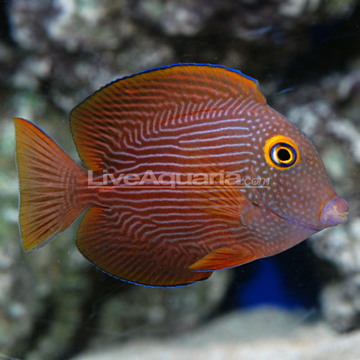
Another example of where we need to be collecting wild is the situation with yellow tangs in Hawai'i. We know one of the things that screws up the fish population on reefs and leads to their decline is when sharks are over fished and the small herbivore populations get out of balance. Hawai'i conducted a shark control program from the 50's to the 70's that indescrimanatelly killed all sharks. Our yearly population counts for yellow tangs didn't start until after Hawai'i stopped killing sharks so we have no idea what the population should be on a healthy reef but research elsewhere argues it should be lower then it was then. Certainly not at the levels we're seeing now (2013 "young of year" head count was 400% above previous record!!!). What is alarming is the yearly population counts being conducted by researchers with NOAA besides showing the burgeoning yellow and kole tang populations is the decrease in other species of tang, notably the achilles tang. The current conservation steps are only favoring a few species, not the overall ecosystem. Since we have removed the apex predator from the Hawaiian reef systems we have to take steps to maintain healthy populations until the sharks are reestablished and the only economical way is to collect the overabundant species.