
You are using an out of date browser. It may not display this or other websites correctly.
You should upgrade or use an alternative browser.
You should upgrade or use an alternative browser.
Dinoflagellates.
- Thread starter DNA
- Start date


Leyth
New member
If I didn't have anything in the tank I would do a long lights out combined with feeding phyto, mb7, etc to increase micro fauna and pods. Draining the tank isn't a sure fix either if you don't fix the environment.
Yea that makes sense. It would just come back I am guessing. I do have 2 corals, CUC, and a pistol shrimp. I'd like to move them to the new tank as soon as it is safe to move them.

Livingjewels
Member
I have had similar thoughts, in my 8 month of dealing with them. if you switch tanks they will live in there too spreading your problem elsewhere.
If your lights are off then they do indeed die back, I will only go as far as saying that because I do believe that some lie dormant; weakened by having no light..
I found 10 days cleared my tank but they returned some weeks later. There was a second thought I had, (again just a thought... ) If they lie dormant in the sand awaiting the light to return, maybe a good cleanse of the sand bed would possibly put your chances at better odds for success.
When I boiled my water that's what I concentrated on, mainly going through the sand bed with a sipon.The brown detritus looks fluffy looking, within it looks like lots of filament stringy strands..you'll see them floating / suspended in the bucket of water..if that's what you have then defo Dinoflagelletes
After a week of boiling 25 30 liters per night, I noticed they started clearing up.
I would imagine these would be almost dead after a 10 day blackout, and would be best exported out of the tank..prior to lights on..
Some may suggest dosing, chemicals at the same time.. These are tough buggers and not easy to get rid of..
If your lights are off then they do indeed die back, I will only go as far as saying that because I do believe that some lie dormant; weakened by having no light..
I found 10 days cleared my tank but they returned some weeks later. There was a second thought I had, (again just a thought... ) If they lie dormant in the sand awaiting the light to return, maybe a good cleanse of the sand bed would possibly put your chances at better odds for success.
When I boiled my water that's what I concentrated on, mainly going through the sand bed with a sipon.The brown detritus looks fluffy looking, within it looks like lots of filament stringy strands..you'll see them floating / suspended in the bucket of water..if that's what you have then defo Dinoflagelletes
After a week of boiling 25 30 liters per night, I noticed they started clearing up.
I would imagine these would be almost dead after a 10 day blackout, and would be best exported out of the tank..prior to lights on..
Some may suggest dosing, chemicals at the same time.. These are tough buggers and not easy to get rid of..

StrangeDejavu
Member
If I didn't have anything in the tank I would do a long lights out combined with feeding phyto, mb7, etc to increase micro fauna and pods. Draining the tank isn't a sure fix either if you don't fix the environment.
+1. I had no coral yet when mine popped up so I did a 6 day blackout and dosed copepods, phyto and Microbacter7. Going on a month dino-free now.
StrangeDejavu
Member
Just an update on Twiliard's tank for those not on the other forum following along. Here's his Day 20 shot using Metro to treat Ostreopsis ovata.

High ammonia levels hurt dinos, but at numbers you wouldn't want to subject livestock to.I just thought of something. I have a rock with dino's on it and I have a tank that is currently cycling with no lights on. If I moved the rock to that tank, would the dino's survive the cycling process? That tank is up on ammonia and nitrites at the moment.
I think I read that 1ppm ammonia triggers dinos to form cysts.
One beaker of snotty dinos got better (no bubbles or strings) overnight after I put a couple of drops of miracle grow in.
Then I realized it was an ammonia party in the beaker and everything was dead.
Maybe dark+ammonia would kill them. It would certainly make them super unhappy.

jason2459
Well-known member
PLEASE DON'T TRY THIS AT HOME!
[emoji14]
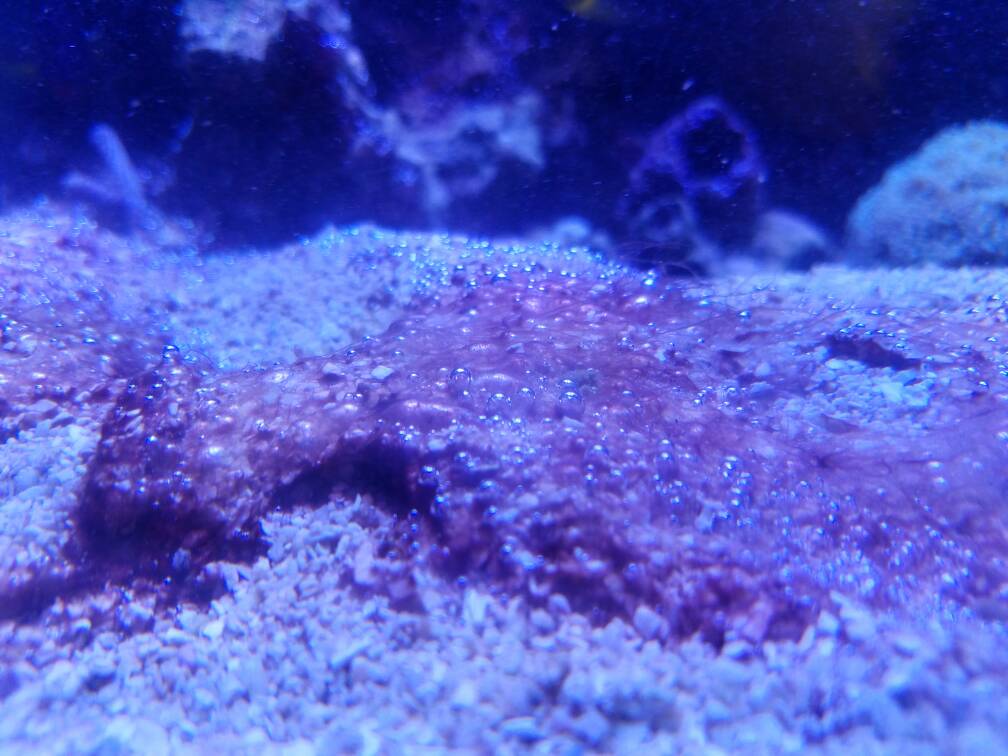
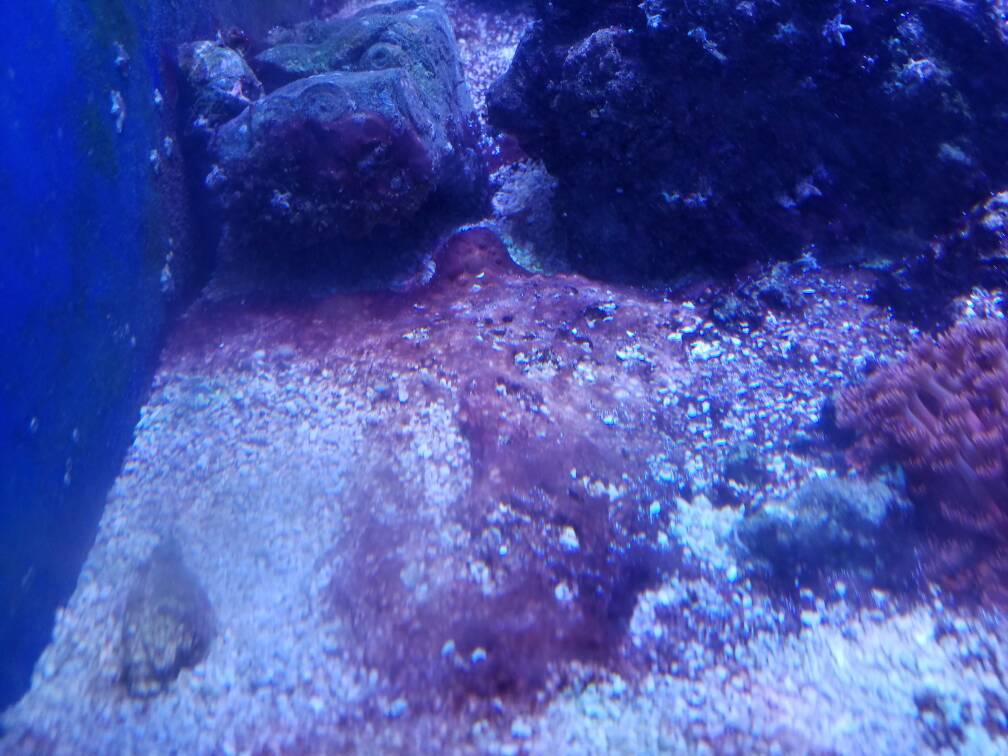
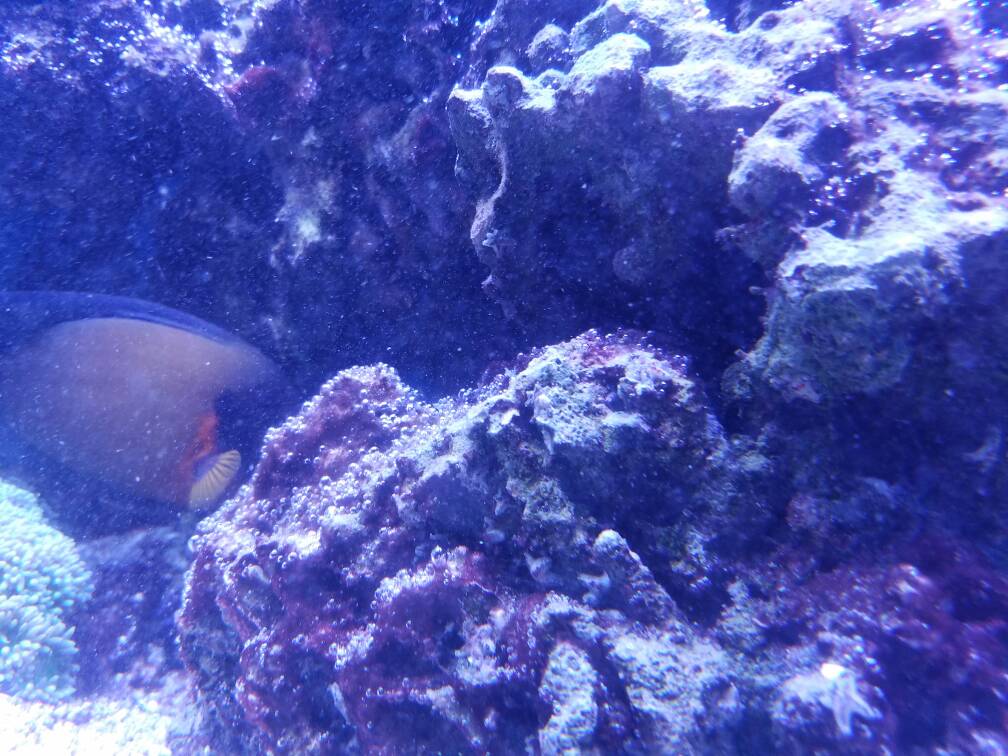
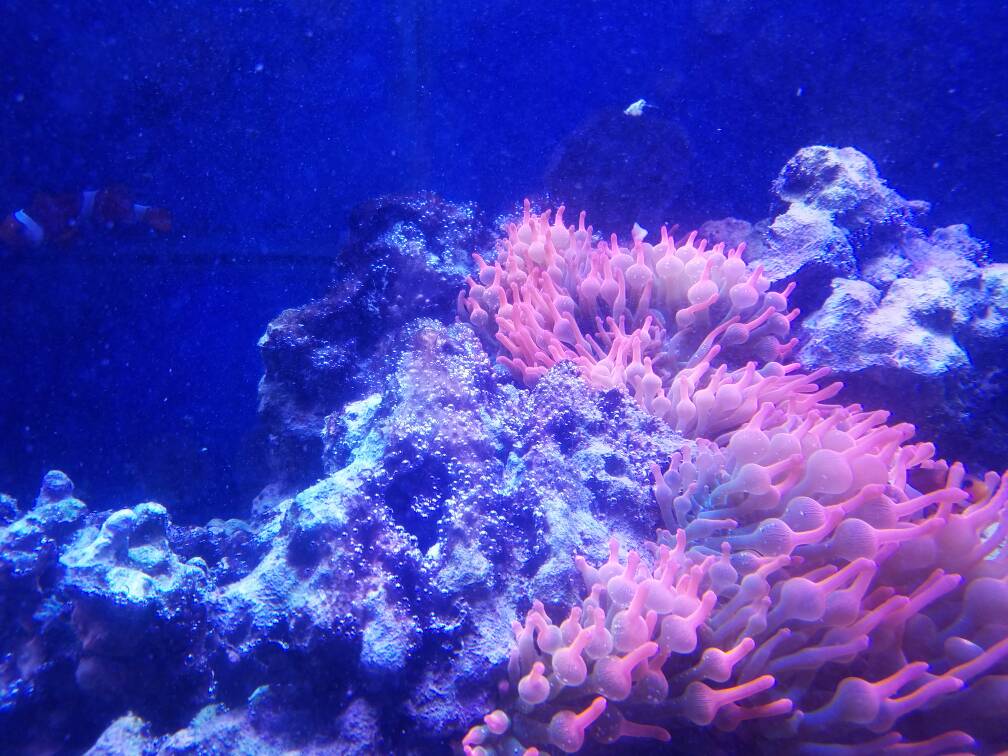
I assume I have and will always have dinos and cyano in my tank. But only time I get to see the dinos is after I see cyano. I only get cyano when I do something stupid. Normally I do nothing more then I normally do and it all eventually vanishes on its own. Usually over a couple months. I have the patience for it. Many don't.
I posted up what I have but it's not visible in the tank as a whole. I have to find tiny patches of cyano to find it which I usually get right at the tip of my return line which is where I found that cyano and dinos for that picture and video.
Here's what I have and previously posted
Peridinium
http://coo.fieldofscience.com/2011/12/state-of-peridinium.html
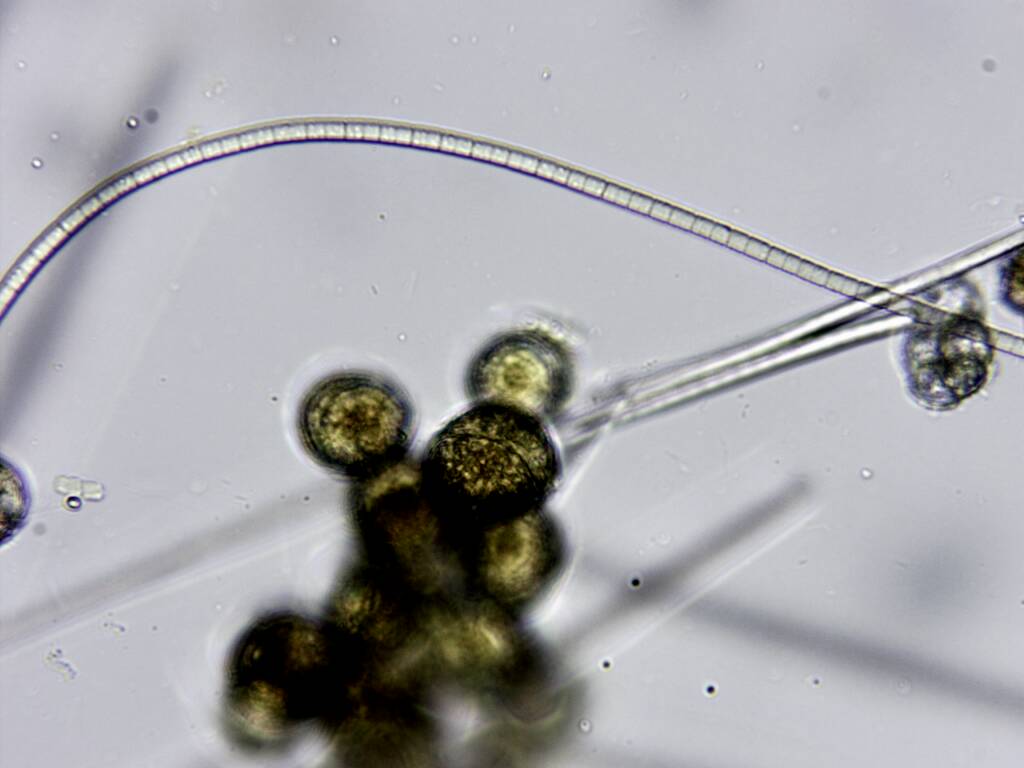
So, my tank is one long running experiment to me much like how PaulB sees his tank. Periodically I do something crazy (see diy Shapelock DIY N/P reducing Pellets or Nuking the tank... or my most recent with the How much Aluminum will it leach? Let's guess thread).
Since I feel I know how to control how to spark a large cyano and dino explosion I got a spark up my you know where to try this thanks to @twilliard.
Cliffs of that thread:
Metronidazole is supposed to mess with the dinos' DNA to the point they no longer reproduce or able to very effectively hold on to the rock or substrate.
Dosages:
And so far its shown to be safe.
I have just basically done a typical OPPS! I just dumped in an automatic feeder full of pellet food into the tank. Something Ive accidentally done before while programming that automatic feeder while distracted by kids... I have also cut my carbon dosing in half to give it that final nail in the coffin to spur a tank wide infestation of cyano and dinos. It shouldn't take more then a few days to have my tank covered.
PLEASE DON'T TRY THIS AT HOME!

I am doing this as I have faith in my tanks abilities, not mine, to fully recover on its own over the next couple months if this metronidazole doesn't work.
I have some Seachem Metro on its way and will treat as described above. I should have it here by Tuesday and so should be the dinos. I'll add some filter socks after day 3 to my siphon return.
This should be fun!
[emoji14]
I assume I have and will always have dinos and cyano in my tank. But only time I get to see the dinos is after I see cyano. I only get cyano when I do something stupid. Normally I do nothing more then I normally do and it all eventually vanishes on its own. Usually over a couple months. I have the patience for it. Many don't.
I posted up what I have but it's not visible in the tank as a whole. I have to find tiny patches of cyano to find it which I usually get right at the tip of my return line which is where I found that cyano and dinos for that picture and video.
Here's what I have and previously posted
Peridinium
http://coo.fieldofscience.com/2011/12/state-of-peridinium.html
So, my tank is one long running experiment to me much like how PaulB sees his tank. Periodically I do something crazy (see diy Shapelock DIY N/P reducing Pellets or Nuking the tank... or my most recent with the How much Aluminum will it leach? Let's guess thread).
Since I feel I know how to control how to spark a large cyano and dino explosion I got a spark up my you know where to try this thanks to @twilliard.
Cliffs of that thread:
Metronidazole is supposed to mess with the dinos' DNA to the point they no longer reproduce or able to very effectively hold on to the rock or substrate.
Dosages:
So, correct me if i'm wrong, but the treatment goes something like:
Day 1: 1 - 2 spoons per 10g.
Day 2: 1 - 2 spoons per 10g.
Day 3: 1 - 2 spoons per 10g.
Days 4 - 14: Wait and change mechanical filtration frequently.
...
You dosed 125mg of 100% metronidazole?
Since I am using MetroPlex(70% metronidazole) I dosed 250mg. Instructions also say it's safe to do 2 spoons(125mg x 2) per 10 gallon or 250mg per 10 gallon.
And so far its shown to be safe.
"Increase MTZ's effectiveness" at what specifically? Inhibiting the things it targets? Or at overall disappearance of target organisms from system?
More hints, pls.
Also, ran across paper looking at MTZ toxicity on a few aquatic species.
Good news, they dosed massive amounts (30x the amount recommended here) and couldn't kill copepods.
Which means at least one important class of dino grazers is unaffected by the drug.

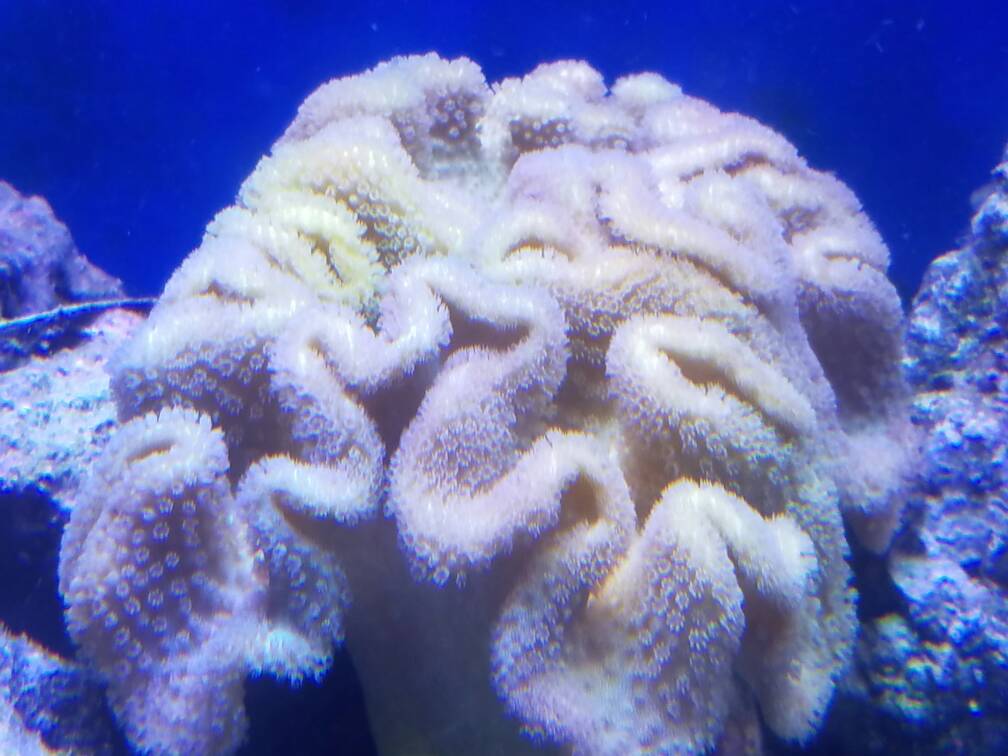
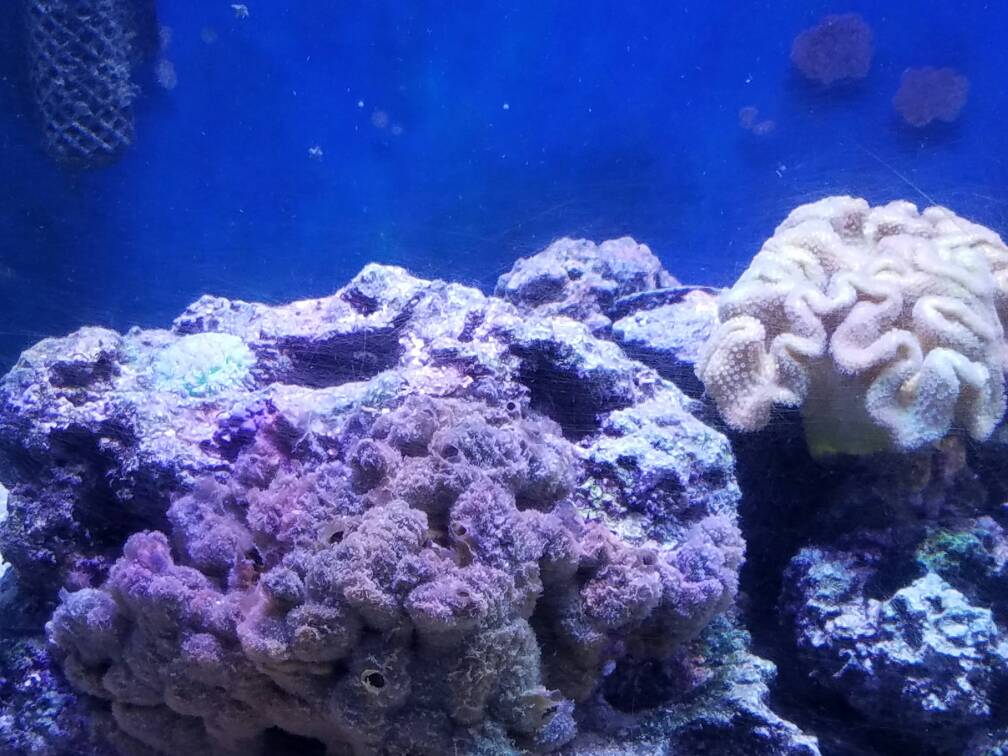
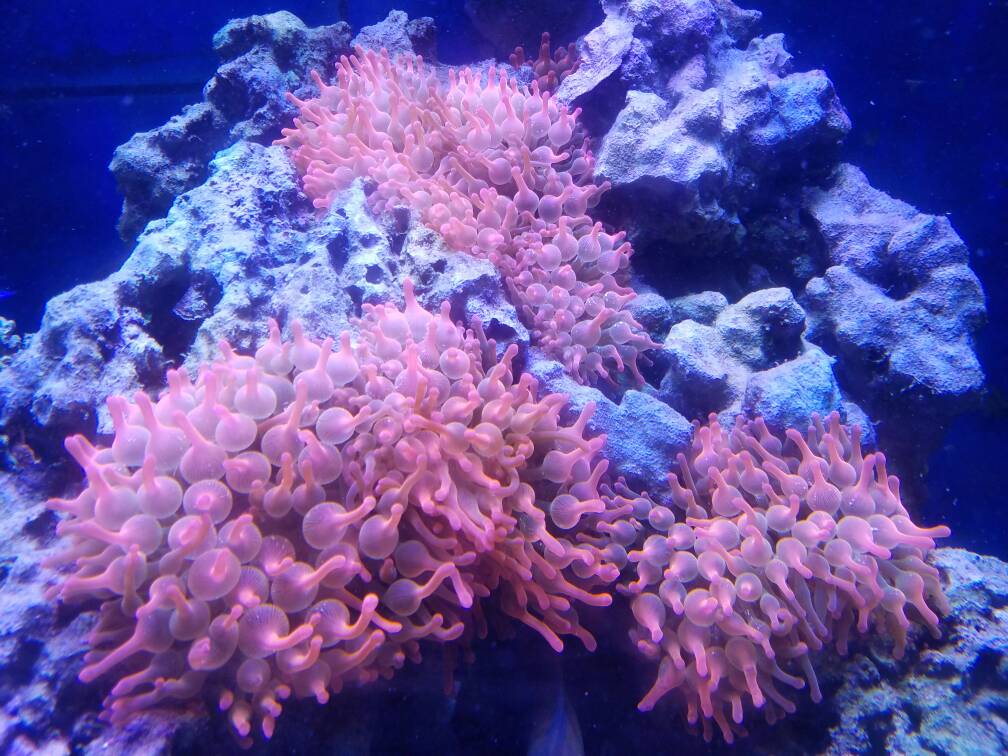
I have just basically done a typical OPPS! I just dumped in an automatic feeder full of pellet food into the tank. Something Ive accidentally done before while programming that automatic feeder while distracted by kids... I have also cut my carbon dosing in half to give it that final nail in the coffin to spur a tank wide infestation of cyano and dinos. It shouldn't take more then a few days to have my tank covered.
PLEASE DON'T TRY THIS AT HOME!
I am doing this as I have faith in my tanks abilities, not mine, to fully recover on its own over the next couple months if this metronidazole doesn't work.
I have some Seachem Metro on its way and will treat as described above. I should have it here by Tuesday and so should be the dinos. I'll add some filter socks after day 3 to my siphon return.
This should be fun!
jason2459
Well-known member
Going through with this 14 day trial. 3 days of dosing metro. Would you suggest I stop carbon dosing all together? So far I've cut it in half.High ammonia levels hurt dinos, but at numbers you wouldn't want to subject livestock to.
I think I read that 1ppm ammonia triggers dinos to form cysts.
One beaker of snotty dinos got better (no bubbles or strings) overnight after I put a couple of drops of miracle grow in.
Then I realized it was an ammonia party in the beaker and everything was dead.
Maybe dark+ammonia would kill them. It would certainly make them super unhappy.
StrangeDejavu
Member
Same here, jason. Tomorrow will be Day 5 of Metro.
jason2459
Well-known member
That's great. Good luck.Same here, jason. Tomorrow will be Day 5 of Metro.
Good question. I'm not going to cut carbon dosing entirely either, because I wasn't to see if the bacterial strings that show up in my sump due to my dosing are killed by metro or if those bacteria aren't targeted.Going through with this 14 day trial. 3 days of dosing metro. Would you suggest I stop carbon dosing all together? So far I've cut it in half.
Tomorrow will be metro day 1 for me.
Leyth
New member
So an update on my side of things. Yesterday, I dipped a rock that was heavily covered in dino's in 50/50 3% peroxide and tank water. It bubbled and fizzed. I put the rock back in and the snails went all night going to town on this rock. It's extremely weird how they all flocked to it after I put it back in the tank.
StrangeDejavu
Member
Guys which Metro is everyone using, what dose, and do you have a good cheap source for large tank treatment?
100% Metronidazole, but I used MetroPlex (70% Metronidazole, 30% excipients) because I already had some on hand.
As for large tank treatment, there's a 100 gram jar on eBay for $37.90 shipped.
StrangeDejavu
Member
Edit: (Bad info, please disregard.)
Last edited:
Also, just a reminder that the dosage is 125mg per 10 gallons if it's 100% Metronidazole. If it's only 70% in the case of MetroPlex, dose accordingly.
This is why I am a little confused. I read 100mg/10g of pure metro, thus I figured dose increased for MetroPlex.
Similar threads


- Replies
- 66
- Views
- 750


