Unrelated, but I am very interested to hear how your amphidinium carterae do with metronidazole.
The reason is that it will either support or shoot down one of the proposed mechanisms for how the drug could affect some organisms.
It goes like this. (I'll do the citation thing when I'm not on my phone.)
There is a protein that is crucial in the photosynthetic process called ferredoxin. As you guess from the name, it's iron based, and one of the largest iron demands of photosynthesis.
Metro is highly reactive with iron in general and specifically reactive with ferredoxin. This is the proposed action of metro in this theory.
(I'm a little fuzzy on whether the reaction inhibits or destroys the photosynthetic machinery)
Dinos stole their photosynthetic machines at different times from different things, so they don't all have the same equipment.
Some dinos, when they need to - like if nutrients and iron are low - can make a substitute for ferredoxin called flavodoxin.
Flavodoxin does the photosynthetic work without iron and without the interference from metro.
The ferredoxin/flavodoxin switch in many cases accounts for which organisms are metro targets and which aren't affected.
There's little info on which dinos can and which can't, but amphidinium carterae can make flavodoxin.
Therefore, your amphidinium carterae should survive the metronidazole treatment....
Or else that is not the mechanism involved with this drug interaction.



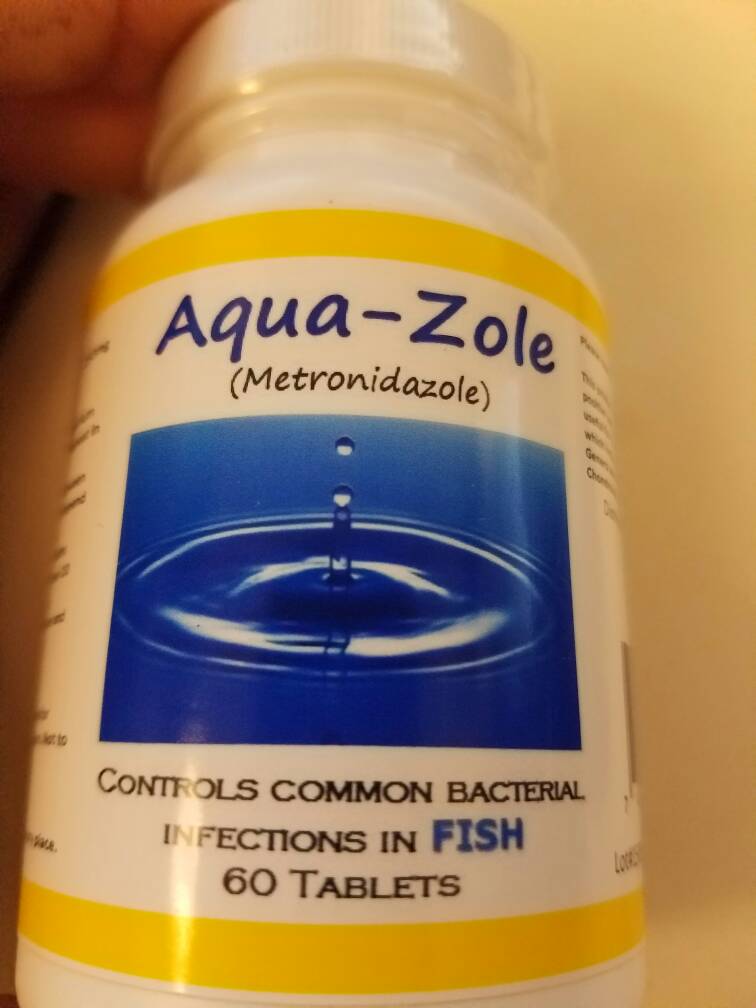
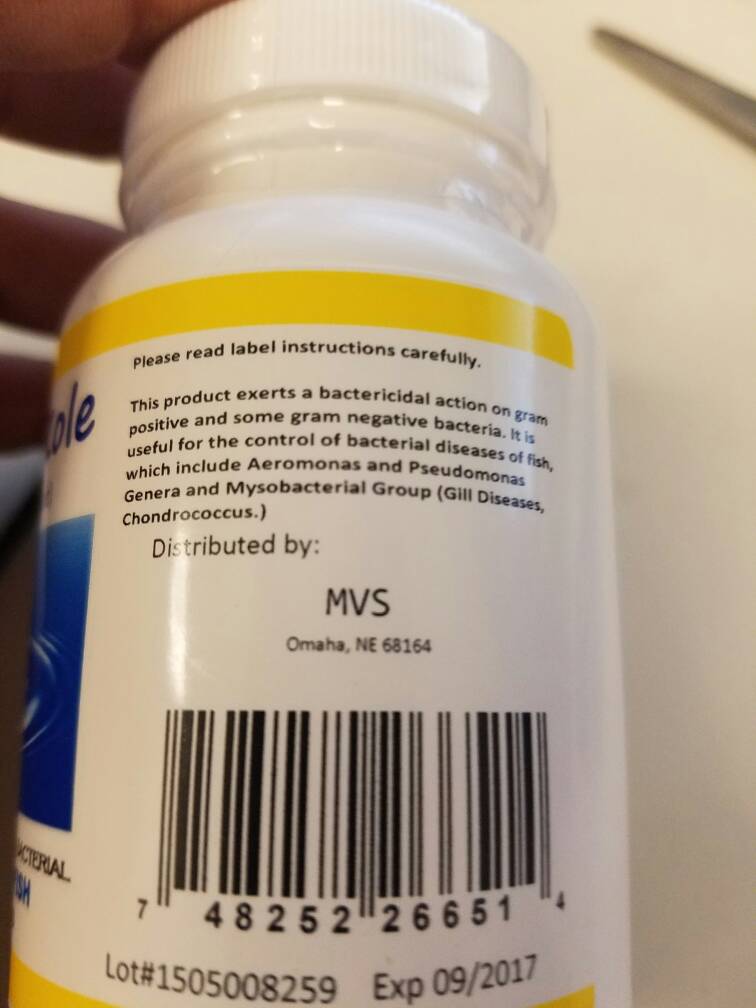
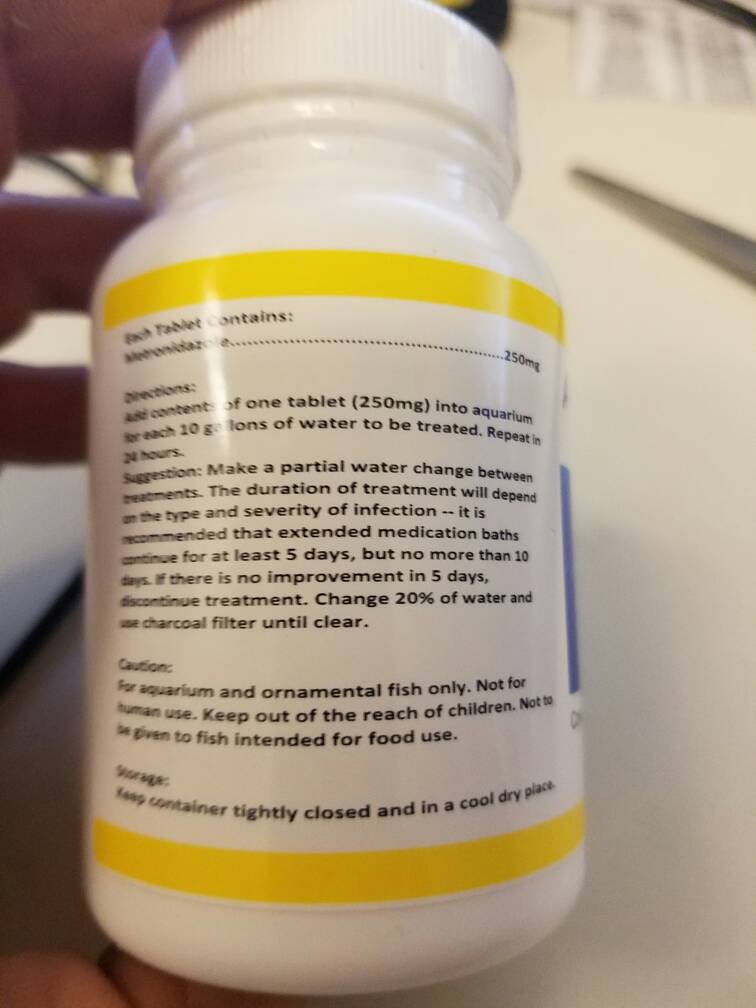
 It's late now, but i'll get two samples tomorrow and see if I can notice any changes in their behavior/appearance and try to follow up with pics and/or video.


