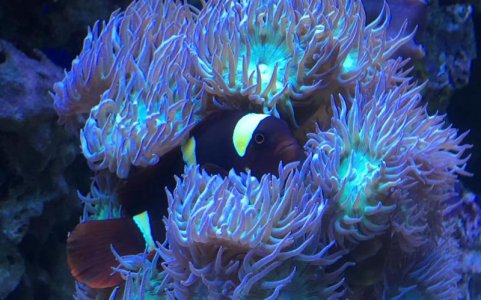
Just a word of advice: the places where most people who are going to fail, fail---are two: first, too much haste. You've been sensible and researched ahead. And second, water quality. Running a living ecosystem, one closed off from the ocean at large, you are presiding over a saltwater environment that IS harder to keep balanced than a freshwater tank. YOu have to keep a tight control on salinity, alkalinity, temperature, often by adding buffer, and a continual supply of freshwater topoff to make up evaporation losses----and the equilibrium of alkalinity can be closely related to a three-way balance of calcium, alk buffer, and magnesium. You have to test often, or find a regime (like kalk) that locks that relationship: easy to do---IF you take that balance requirement seriously and do your tests. If you've got that nailed down, and if you have the common sense to keep fish that are appropriate in size for your tank and assure that only healthy ones go in, you're not going to fail. Corals are dependent on strong lighting, plus that relationship of alk-cal-mg, and if you've done right by your fish, corals are going to fare well---sometimes a matter of figuring which of 3 classes of corals LIKE your setup, but in general, the hobby relies on those two things---proper water, and fishes that are healthy.
Coping with the tendency of some fish (3-stripe damsels) to grab a coral and fling it (superglue gel prevents this) is a further trial, but learn those water-quality basics on a smaller tank and the 150 in your future will be what you hope.