Are diatoms just as hard to get rid of? I just really really want this crap gone.
Diatoms are usually easy to get rid of by taking away something that they need that few other organisms (except sponges) use: silicate.

Are diatoms just as hard to get rid of? I just really really want this crap gone.


But that said, I'm not sure that all of the successful treatments (or nontreatments) don't simply work because they take away something important to the particular species of dinos that you have.
People should remember that dinos, like algae and most photosynthetic pests need ALL of a source of N, P, Fe, many other trace metals, light, space to grow on, etc.
Take away any ONE of them and the dinos will be gone.
Keeping a dirty tank and finding the dinos decline may simply mean high levels of bacteria that are present are out competing the dinos for some trace element. Water changes bring back that trace element.
Keeping a super clean tank may be able to outcompete some dino species for N or P. Lights out obviously takes away light.
So what I'm wondering is if there are any methods that drive out dinos that CANNOT be explained by a reduction in some unknown trace metal(s) (or direct killing, such as a UV, or possibly hydrogen peroxide, which could be a trace element modifier too).
Can anyone ID this?
With naked eye it looks like spider web attached to SPS.
Taste them.

So while I've not read all 103 pages (at least not that I can remember), I'm not sure I see a need to invoke a lot of special bacteria issues to explain most of the things folks see with dinos.
I certainly don't claim to be any sort of expert on dinos, and they truly are among the worst possible pests we get.
But that said, I'm not sure that all of the successful treatments (or nontreatments) don't simply work because they take away something important to the particular species of dinos that you have.
People should remember that dinos, like algae and most photosynthetic pests need ALL of a source of N, P, Fe, many other trace metals, light, space to grow on, etc.
Take away any ONE of them and the dinos will be gone.
The trick is to find which of those is easiest to reduce while still permitting an adequate amount for other tank inhabitants (since they too need ALL of these).
Keeping a dirty tank and finding the dinos decline may simply mean high levels of bacteria that are present are out competing the dinos for some trace element.
Water changes bring back that trace element.
Keeping a super clean tank may be able to outcompete some dino species for N or P.
Lights out obviously takes away light.
Organic carbon dosing may drive some dinos if they are a species that can take up the organic you are dosing, BUT it does not always happen, obviously. In fact, driving bacterial growth (especially without water changes) can quickly use up trace elements and possibly even help reduce dinos. As noted, lots of folks have been organic carbon dosing for years without any dinos (myself included).
So what I'm wondering is if there are any methods that drive out dinos that CANNOT be explained by a reduction in some unknown trace metal(s) (or direct killing, such as a UV, or possibly hydrogen peroxide, which could be a trace element modifier too).
One of the most frustrating things about dinos is the lack of an obvious cause. We have a list of 'risk factors' that are quite consistent among sufferers, but really there is no obvious difference in husbandry between dino-infested and dino-free tanks we can point to and say 'that's why dinos took over your tank'. As you mention, many people have ULNS tanks with all dry rock, carbon dose, skim heavily and use chemical media without having dinos get out of control.
Dinos are (in my opinion) much more like a multicellular pest organism than an algae. They are mixotrophic so reducing nutrients and light is not terribly effective. Many of us have genuinely undetectable N and P, have not done water changes in months, and do multiple blackouts without permanently killing off dinos. They can form cysts which can persist in the sandbed for years. I believe this is why nobody has had success using a single method of combating dinos, and "ecosystem" methods tend to work. (Possibly excepting DinoX but there have been several failures even with that). I sure wish 'taking away any ONE of them' worked, but this thread is really a testament that it doesn't.
As for methods which don't depend on trace element depletion or direct kill- I think the dirty method should count. We may be changing bacterial communities, growing allelopathic algae, increasing populations of microscopic/macro dino-predators, encouraging coral-mediated control of DOC/DIC and/or increasing direct competetion for nutrients. I'd love to know more about what exactly is going on.
Dosing phytoplankton and adding copepods are also effective for people using both dirty and clean methods. Phyto especially. Your article on raising pH certainly qualifies.
ivy
RANDY!!! Where have you been? We miss you.
Dinos are more like a disease than algae. The fact that they can kill macro like chaeto and micro like a hair algae ATS speaks to their ability to create hostile conditions where the competition cannot survive, regardless of what trace elements are in the water. UV and skimming worked for me. It's the only thing that worked for me.

I am very confident that that is not dinos! Oh, wait you knew that?
Hum! Does it move under the microscope? Looks a bit like branching cyano eg Scytonema spp. You might allso check out Cladophora (green algae).
hth
ivy (Microscope id is fun, wish I'd taken more microbio)
As for methods which don't depend on trace element depletion or direct kill- I think the dirty method should count. We may be changing bacterial communities, growing allelopathic algae, increasing populations of microscopic/macro dino-predators, encouraging coral-mediated control of DOC/DIC and/or increasing direct competetion for nutrients. I'd love to know more about what exactly is going on.
Dosing phytoplankton and adding copepods are also effective for people using both dirty and clean methods. Phyto especially. Your article on raising pH certainly qualifies.
ivy



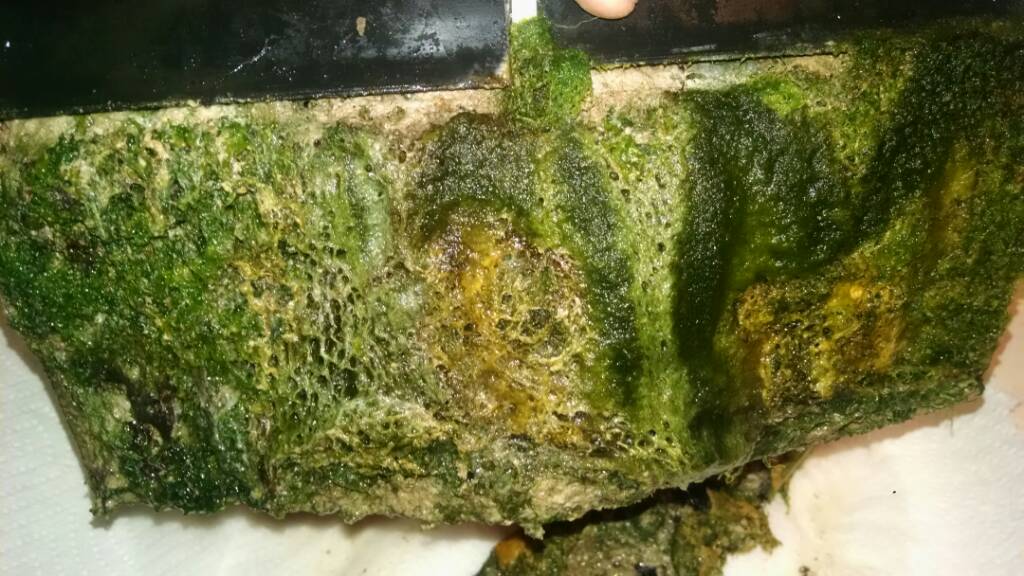

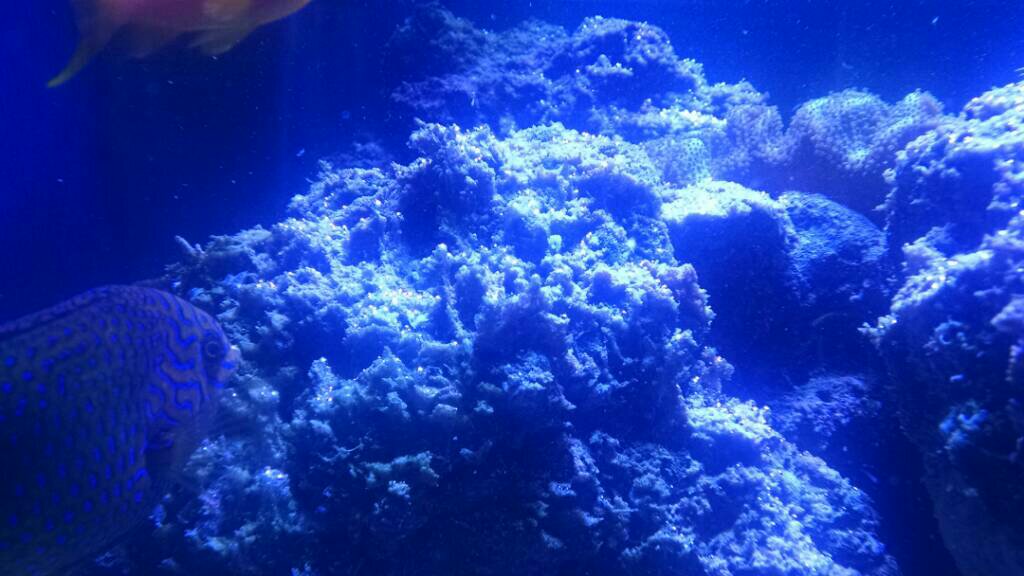
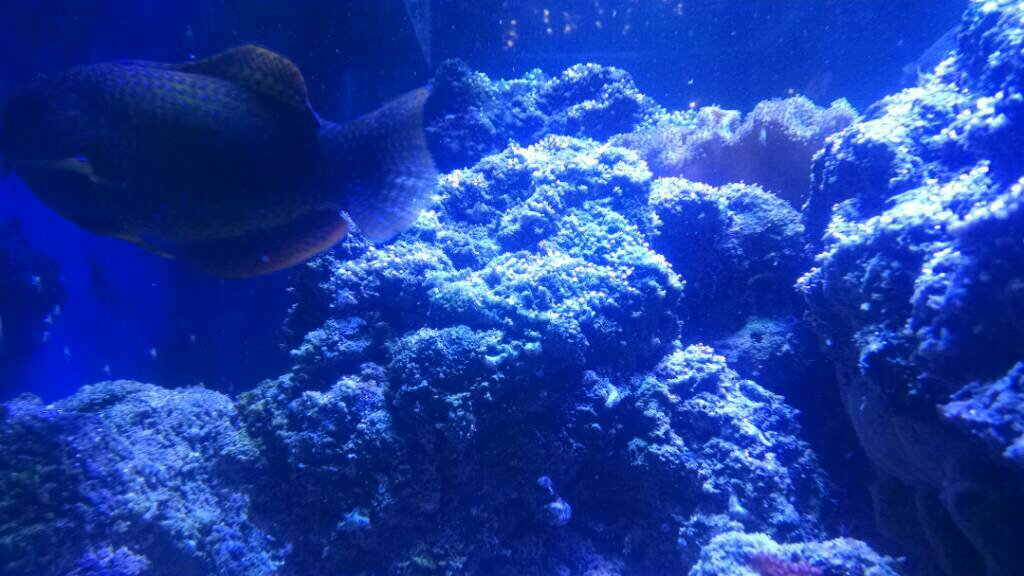
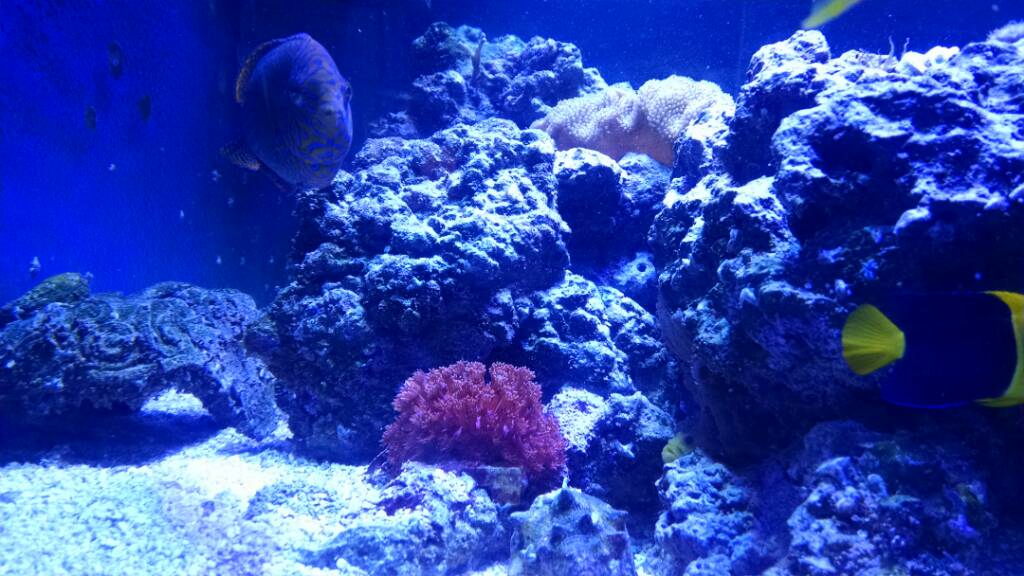
Sounds good to me. lolThey ate all the cyano and then starved?
To note though there was a small gap between the cyano outbreak and the Dinos.They ate all the cyano and then starved?