uncleof6
Active member
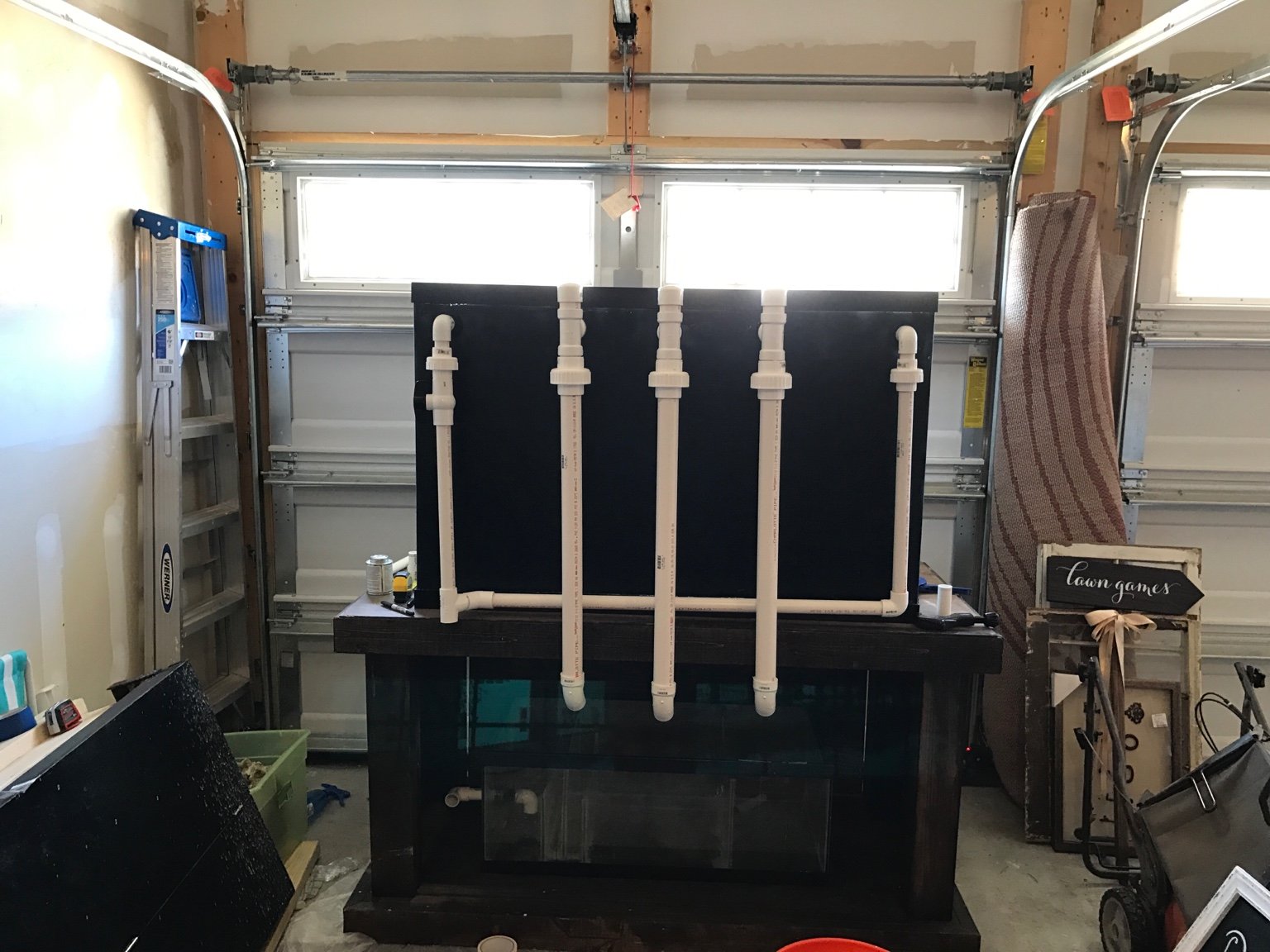
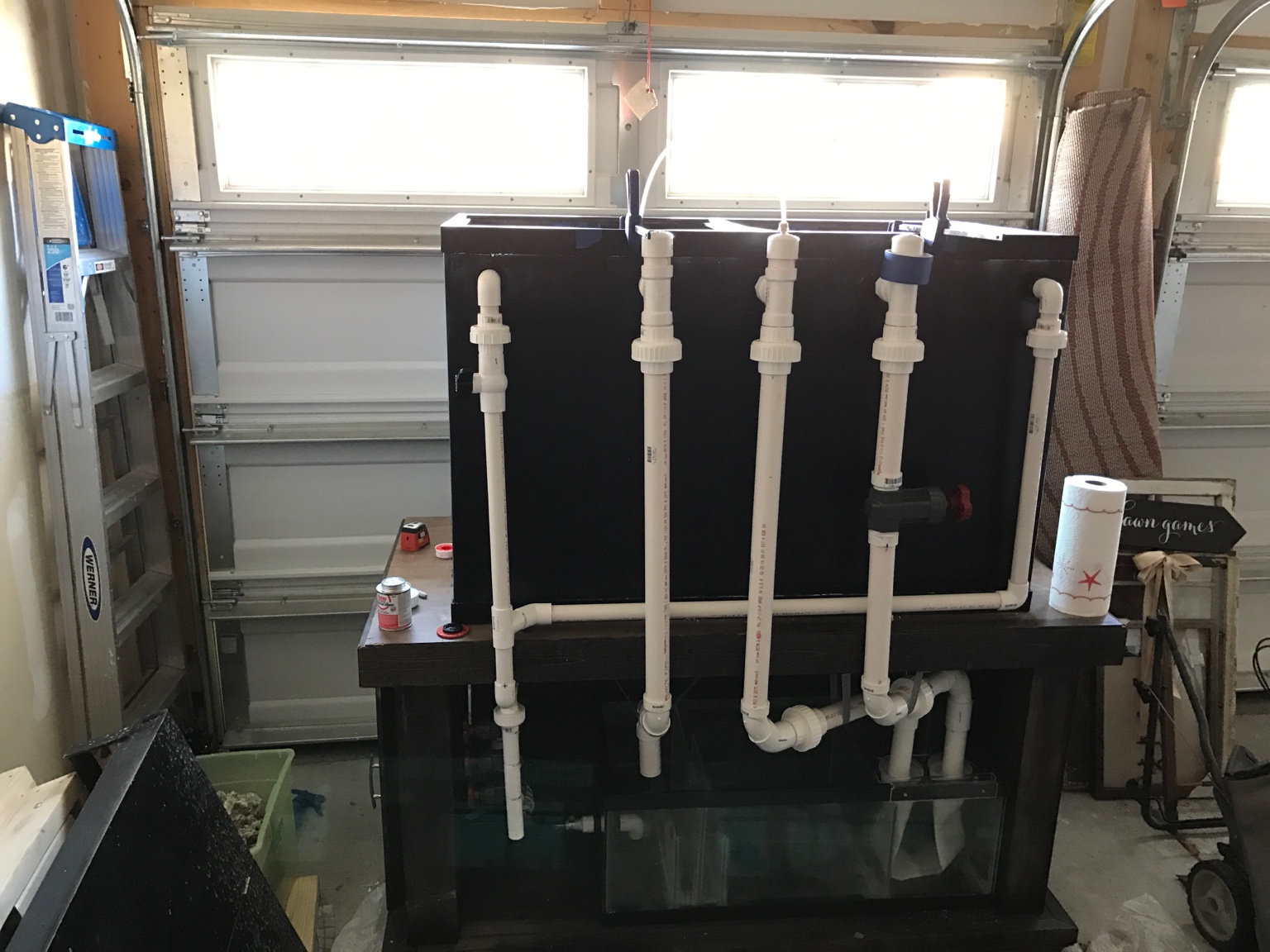
Interesting. I started working with this system in early 2008; and through 2009 - 2010, I went through a process of converting ~250 running systems to the Bean Animal style drain system. These conversions were done/attempted in place with the existing overflows/boxes. The configurations were internal, as well as internal/external (aka Glass-holes style.) Some systems required more extensive modification, in order to get the Bean Animal system to function properly, as maintaining the basic relationships between the three drain lines was not possible.
The results of "our work" over the years (myself and the actual designer of the system: Bean Animal) has shown that the only time there is a problem with the system, is if the implementer modifies the system to the point that the basic relationships between the three drain lines are altered, and the system does not properly start.
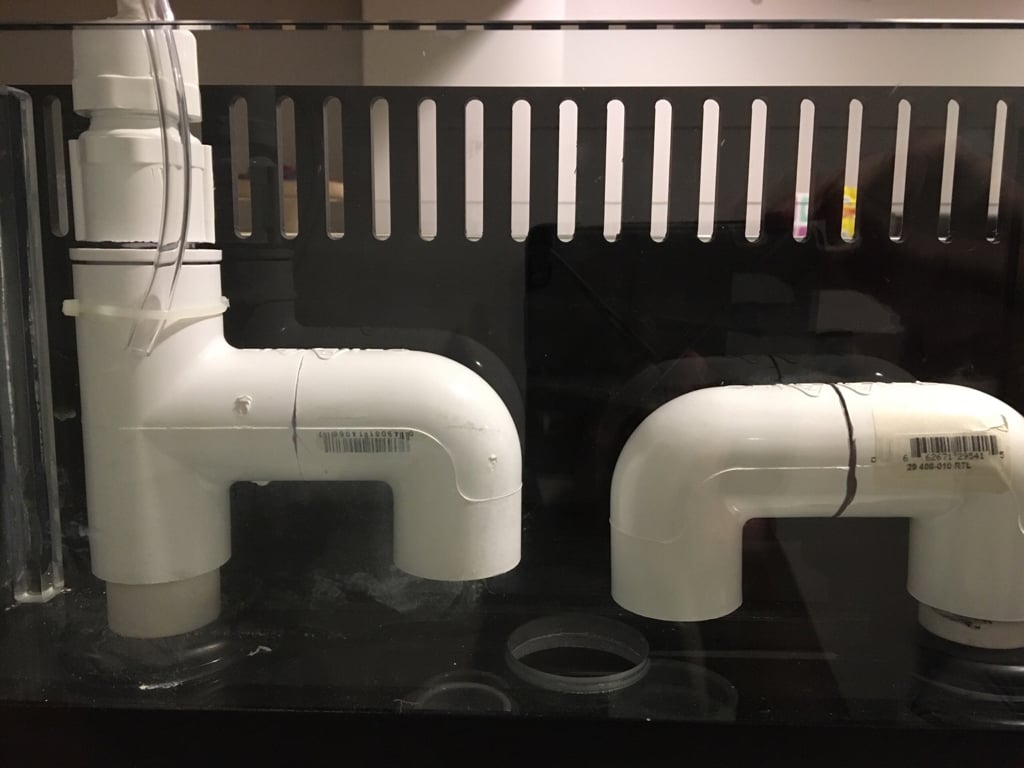
If the main "siphon" or "primary" airlocks, it is due to the open channel taking to much flow, too soon; and often because the open channel trips to "siphon mode" before the "siphon" purges all the air (the secondary cause is the drain outlets being too deep in the sump.) This is 99.99 % an implementation error. Put simply, the head height is insufficient to purge the air out of the siphon line, because the criteria is a "small package" rather than good sound functional design.
Modifications to Bean's system, can be accomplished. However, if the basic relationships are altered, the system will not function the way it is supposed to. If the relationships are maintained, the system has no issues starting. It is repetitive, 100% of the time. If a hole in the siphon is needed to keep it from air locking, it is an implementation flaw.
It really does not matter what it is called, it is based on the design and operating principles of Bean's system, and it is subject to the same constraints in terms of modifications from Bean's original design.
The results of "our work" over the years (myself and the actual designer of the system: Bean Animal) has shown that the only time there is a problem with the system, is if the implementer modifies the system to the point that the basic relationships between the three drain lines are altered, and the system does not properly start.
If the main "siphon" or "primary" airlocks, it is due to the open channel taking to much flow, too soon; and often because the open channel trips to "siphon mode" before the "siphon" purges all the air (the secondary cause is the drain outlets being too deep in the sump.) This is 99.99 % an implementation error. Put simply, the head height is insufficient to purge the air out of the siphon line, because the criteria is a "small package" rather than good sound functional design.
Modifications to Bean's system, can be accomplished. However, if the basic relationships are altered, the system will not function the way it is supposed to. If the relationships are maintained, the system has no issues starting. It is repetitive, 100% of the time. If a hole in the siphon is needed to keep it from air locking, it is an implementation flaw.
It really does not matter what it is called, it is based on the design and operating principles of Bean's system, and it is subject to the same constraints in terms of modifications from Bean's original design.
Last edited by a moderator:

 unctuationKerning/> <w:ValidateAgainstSchemas/> <w:SaveIfXMLInvalid>false</w:SaveIfXMLInvalid> <w:IgnoreMixedContent>false</w:IgnoreMixedContent> <w:AlwaysShowPlaceholderText>false</w:AlwaysShowPlaceholderText> <w
 oNotPromoteQF/> <w:LidThemeOther>EN-US</w:LidThemeOther> <w:LidThemeAsian>X-NONE</w:LidThemeAsian> <w:LidThemeComplexScript>X-NONE</w:LidThemeComplexScript> <w:Compatibility> <w:BreakWrappedTables/> <w:SnapToGridInCell/> <w:WrapTextWithPunct/> <w:UseAsianBreakRules/> <w