Paul B
Premium Member
but a RUGF is nothing new
That is correct, nothing new at all.

but a RUGF is nothing new

Has anyone tried adding 1-2 Fighting Conch?

is there a suggested size fuge for a certain size tank?
corey


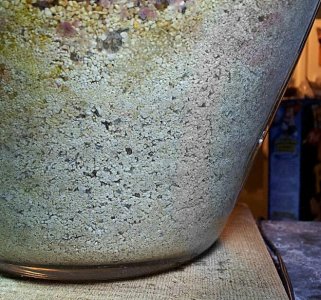
In practice, you don't really want the rock sitting on the sand bed, and it is wise to minimize the contact areas between the rock and the substrate. Setting the rock right on the sand, can prevent oxygen from diffusing into the upper layer of the sand bed, creating a hypoxic or even an anoxic area, directly under the rock. Burying the base of the rock, is essentially the same thing.
I make my own rock, and used "legs" "cast" into the base rocks, that hold the rock up off the substrate, minimizing the contact area, and allowing water to flow under the rock, above the sand bed.
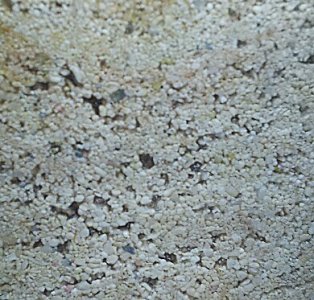
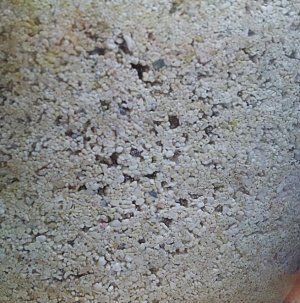
Water does not "flow" through a deep sand bed. Water does not flow vertically, or laterally, in a deep sand bed. If such flow did occur, the various levels, oxic, hypoxic, and anoxic, would all be oxic. A DSB works on the principle of diffusion. Basically, a vertical movement of dissolved substances in the water, from an area of higher concentration, to an area of lower concentration. The water does not move in the sand bed, other than by the incidental activity of sand bed infauna.
.
Are there any fish that will prolong the developement of a DSB in the DT? I ask because after nearly a year I can now see the benefits of my DSB. (critters and 'pods, low to nil nitrates) But it seemed to take my Sixline wrasse unfortunate demise for the DSB to show signs of life.
Those that believe in advection would debate with you that water can flow through a sand bed